

 InfoSearched
One CrossFit hero workout, thirty straight days, and a college senior who refused to quit before finding out what it would cost him.
On Monday, August 19, 2019, Matthew Yifeng committed to something most CrossFitters wouldn’t attempt even once a week: the Murph, done every single day for a month straight. The standard Murph is a one-mile run, 100 pull-ups, 200 push-ups, 300 air squats, and a closing one-mile run — a workout named for Navy SEAL Lieutenant Michael Murphy, who used it as a training staple before he was killed in action in Afghanistan in 2005. Yifeng did it 30 times in a row, during the exact stretch of his life when he had the least time and energy to spare.
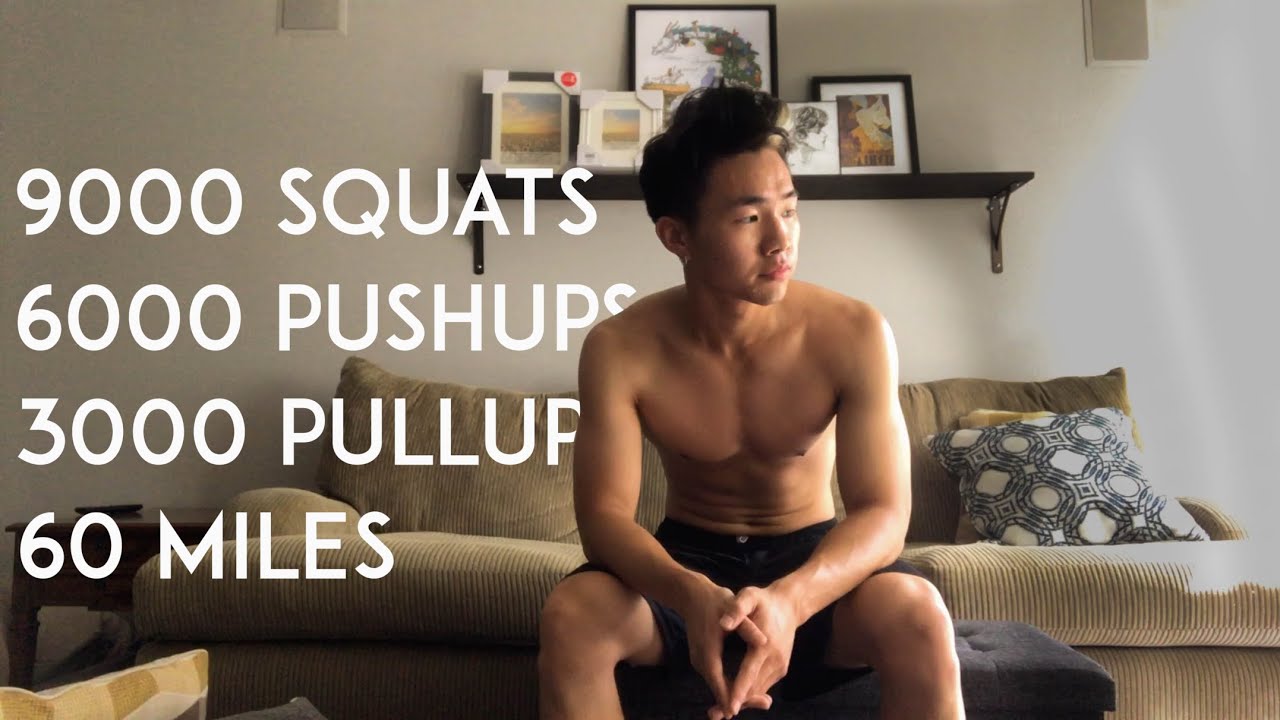
- The 30-day total came to 60 miles run, 3,000 pull-ups, 6,000 push-ups, and 9,000 air squats.
- Yifeng ran the challenge while finishing his senior year of college and applying for post-graduate plans, with some workouts starting at 4:30 AM and others squeezed in after getting home at 4:30 AM.
- His splits dropped dramatically over the month — from 58:47 on Day 1, to 42:20 by Day 16, to 34:57 by Day 30.
The Math Behind the Murph
Doing the Murph once is a benchmark CrossFit test that leaves most athletes wrecked for the rest of the day. Doing it as written — unbroken sets, no shortcuts on the reps — 30 consecutive times means absorbing 100 pull-ups and 200 push-ups every single day for a month, on top of the two-mile running load. By the time Yifeng closed out the challenge, his body had processed 3,000 pull-ups and 6,000 push-ups, numbers that put the project closer to a training-volume experiment than a fitness fad. Readers curious about how repeated daily loading reshapes strength and conditioning over a set window can find a similar structure broken down in this six-month calisthenics transformation.
Fitting a Daily Hero WOD Around Senior Year
What made the challenge brutal wasn’t just the workout itself — it was when Yifeng had to do it. As a college senior juggling coursework, deadlines, and applications for what came next, he described days that started with a 4:30 AM alarm and others that only ended once he’d already been out until 4:30 AM. There was no consistent window; the Murph got wedged into whatever hours were left, however few.
A Mental Project Disguised as a Physical One
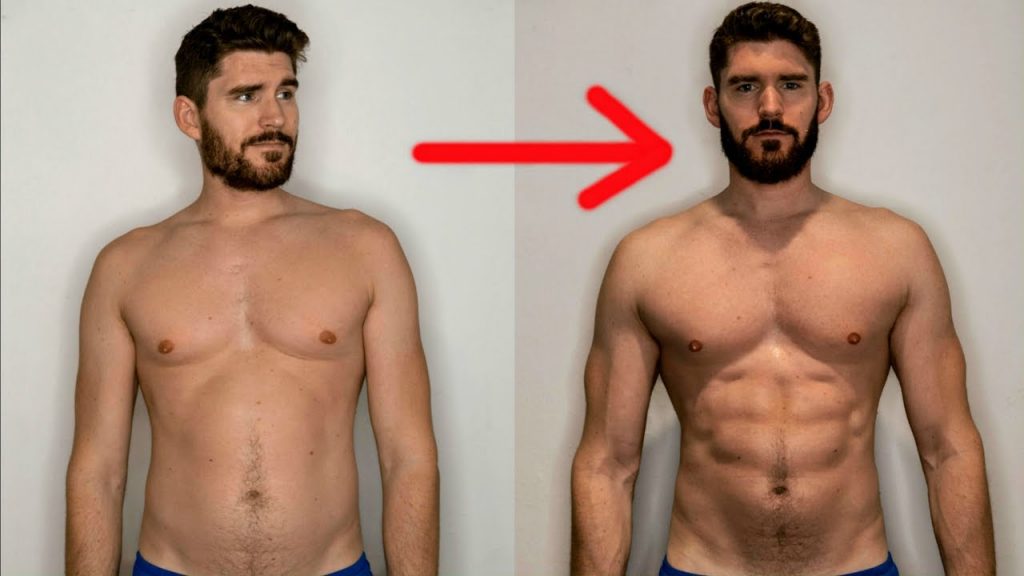
Yifeng was blunt about how the routine felt in the moment, admitting the daily grind “freaking sucked.” But he was just as clear that the real change wasn’t in his physique — it was in his head. He framed the 30 days as a way to break out of a feeling of stagnation, using the daily physical demand to work through doubts and figure out what was actually motivating him during a transitional stretch of his life.
Day 1: 58:47. Day 30: 34:57 — nearly cutting his own time in half over a month of daily Murphs.
That drop in time tells its own story about adaptation under fatigue, but Yifeng’s framing of the project leaned harder on the internal side of the ledger than the stopwatch. For a look at how other athletes have used structured daily discomfort to rewire habits and motivation rather than just chase a number, this piece on training the brain to tolerate hard things covers similar ground.
The Splits That Marked Progress
The three logged times — 58:47 on Day 1, 42:20 on Day 16, and 34:57 on Day 30 — are the clearest hard evidence of what 30 straight days of pull-ups, push-ups, and squats can do to a person’s engine. Nearly 24 minutes came off the clock over the course of the month, even as the cumulative fatigue from repeating the same movements daily should have worked against him.
Yifeng closed the challenge on Day 30 having run 60 miles and banked 9,000 air squats without missing a day, whatever the hour demanded. The next Murph on the calendar for most CrossFitters is Memorial Day — Yifeng’s version arrived two years early and without the holiday excuse.





How to Hack Time to Be Happier & More Successful
The brain-changing benefits of exercise | Wendy Suzuki
8 Foods Men Should Eat Everyday (Science-Based)
Travel inspiration Video that Will give you GOOSEBUMPS
6 Beauty Tips To Look MORE Handsome *Game Changer*