

 InfoSearched
Naval Ravikant thinks the ability to sit alone in a room with no phone, no music, and no agenda is the closest thing to a superpower most people will ever develop.
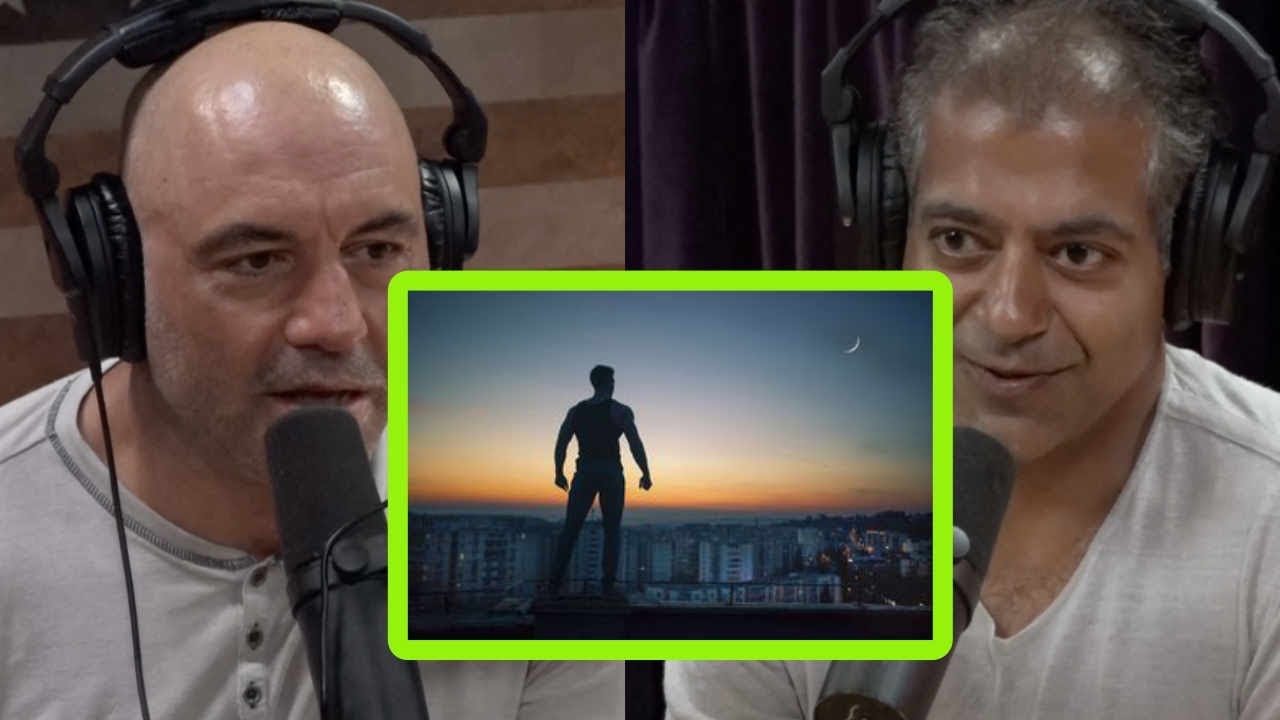
In a clip from episode #1309 of The Joe Rogan Experience, released in early June 2019, the angel investor and AngelList co-founder sits down with Joe Rogan to unpack why modern life has made solitude feel unbearable — and why fixing that is worth more than almost any productivity hack. The segment leans on a 17th-century line from Blaise Pascal and Ravikant’s own account of trading a scrolling, stimulation-hungry younger self for a version of himself whose ideal day is simply being left alone.
- The clip is drawn from JRE #1309, Rogan’s June 2019 conversation with Naval Ravikant.
- Ravikant cites Blaise Pascal’s observation that all of man’s problems stem from his inability to sit quietly alone in a room.
- He describes meditation as “the art of doing nothing” — unguided, effort-free self-therapy rather than a formal practice with instructions.
Pascal’s Warning, Updated for the Smartphone
Ravikant frames Pascal’s centuries-old observation as more relevant now than when it was written. The 17th-century philosopher argued that humans distract themselves with hunting, gambling, and busywork specifically to avoid confronting their own minds in silence. Ravikant’s update: swap out the hunting parties for a phone that buzzes every few minutes, and the avoidance becomes nearly involuntary. He tells Rogan that he used to be one of those people — someone who needed constant mental stimulation, who filled every idle moment with scrolling, and who treated being alone with his own thoughts as something to escape rather than sit with.
The Art of Doing Nothing
Where the conversation gets specific is in how Ravikant actually defines meditation. He’s not describing breathing apps, guided sessions, or any structured technique. He calls it “the art of doing nothing” — sitting quietly, without effort or instruction, and letting whatever thoughts have piled up in the brain surface and resolve on their own. No journaling prompt, no mantra, no timer. The idea is that the brain is already carrying a backlog of unresolved thoughts, and constantly feeding it new input — social media, work emails, conversation — just adds to the pile instead of clearing it.
Being left completely alone, with nothing to do and no one to answer to, is Ravikant’s idea of a perfect day.
That’s the contrast he draws directly for Rogan: the younger version of himself needed noise and novelty to feel normal, while the older version treats total solitude — no calls, no notifications, no plans — as the reward, not the punishment. It’s a reversal that took him years to build, and he’s clear that it wasn’t automatic. Readers chasing the same shift might find useful ground in 5 Reasons Why Introverts Like To Be Alone, which covers some of the same territory from a different angle.
Biological Drivers of Social Isolation Resistance
Rogan and Ravikant frame the resistance to solitude as a habit loop rather than a personality trait. Every ping, like, and DM trains the brain to expect a hit of novelty on demand, which makes an empty room without a screen feel almost physically uncomfortable at first. Ravikant’s point isn’t that socializing or work are bad — it’s that neither leaves room for the backlog of thoughts to actually clear, so the accumulated mental noise just keeps compounding. That framing lines up with arguments made elsewhere in the same podcast’s back catalog, including The Benefit of a Mental Breakdown – Joe Rogan & Duncan Trussell, another JRE conversation that treats discomfort as something to sit through rather than medicate away.
Solitude as a Skill, Not a Symptom
What separates Ravikant’s take from the usual self-help framing is that he never treats alone time as a consolation prize for people who lack company. He treats it as a trained skill with a payoff — better decisions, less reactivity, a mind that isn’t constantly seeking outside validation. For anyone whose default is to fill every silence with a screen, the specific advice buried in the clip is almost mechanical: stop feeding the brain new input, and let it do the sorting it’s been putting off.
The full episode, #1309, runs well beyond this single exchange, but this excerpt is the piece that’s circulated on its own — Ravikant’s Pascal reference and his “ideal day” line doing more work in a few minutes than most wellness content manages in an hour.





Is Social Media Hurting Your Mental Health? | Bailey Parnell | TEDxRyersonU
Pimples During Pregnancy?
Full Leg Workout for Bigger Stronger Legs (LEG DAY WORKOUT!)
BEST 15 min Beginner Workout for Fat Burning (NO JUMPING HIIT!!!)
I Tried Da Vinci’s (Insane) Daily Routine: Here’s What Happened