

 InfoSearched
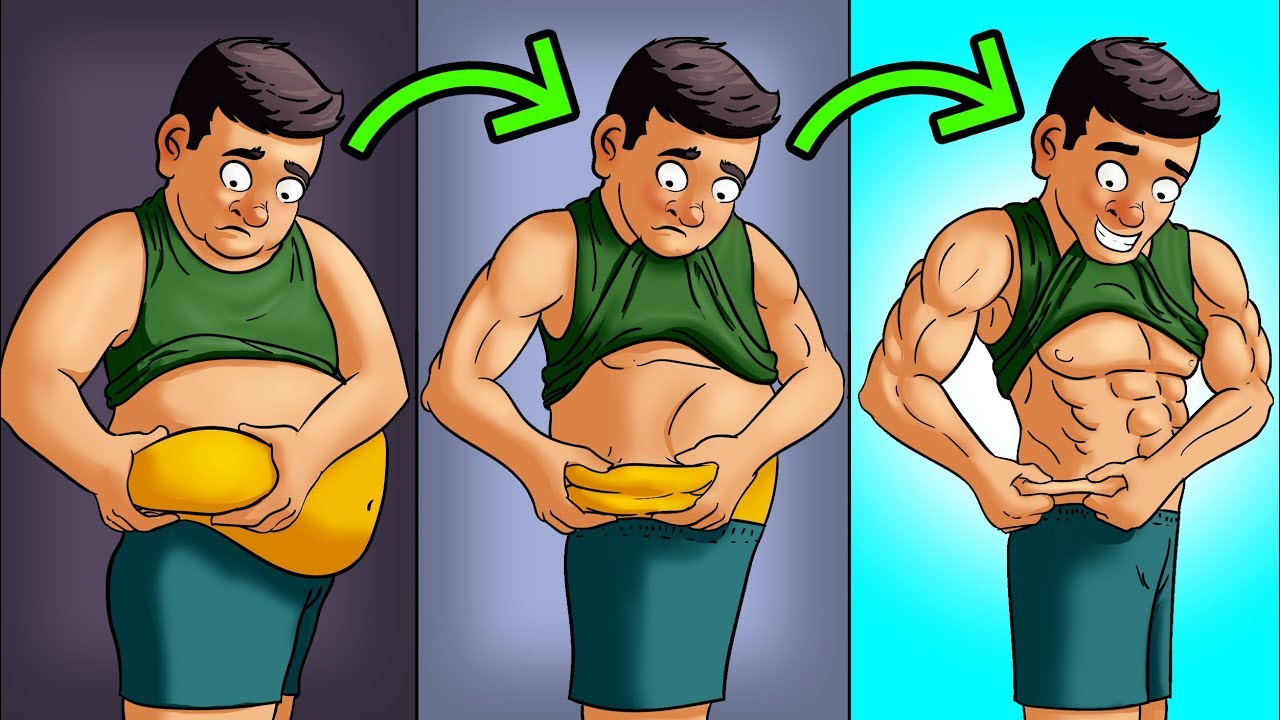
Forget the thousand crunches — the research says belly fat doesn’t work that way.
Max Posternak, the trainer behind Gravity Transformation, opens his latest breakdown by going after one of fitness culture’s most stubborn myths: that ab exercises melt stomach fat. Instead, he walks through what the metabolic research actually shows about visceral fat, the hormones that regulate it, and the three interventions that move the needle. It’s less a workout video than a myth-busting session backed by study citations.
- Studies tracking one trained leg against an untrained leg — and one trained arm against an untrained arm — over 12 weeks found no meaningful difference in fat loss between the worked and unworked limb.
- A rising waist-to-hip ratio triggers negative shifts in testosterone, insulin, leptin, and ghrelin, disrupting satiety signals and pushing the body toward storing more fat rather than burning it.
- Posternak lays out three evidence-based fixes: a sustained caloric deficit built on whole, high-fiber, low-calorie-dense foods; compound resistance training instead of crunches; and dietary structure aimed at improving insulin sensitivity and controlling hunger hormones.
The Spot-Reduction Myth, Tested
Posternak doesn’t just assert that spot reduction is a myth — he runs through the studies. In the leg experiment, subjects trained one leg for 12 weeks while leaving the other alone; fat loss came off both legs at essentially the same rate. The arm study produced the same result. When researchers isolated ab training specifically, the pattern held: working the muscle underneath a layer of fat did nothing to strip that fat away faster than training elsewhere.
There was one outlier worth mentioning. A study that had one group train only their lower body and another train only their upper body did find more localized fat loss matching the trained region. But the researchers attached three conditions to any potential spot-reduction effect: high-intensity, heavy-load training to mobilize fat stores; an immediate follow-up of calorie-burning cardio or interval work to actually oxidize that mobilized fat through lipolysis; and an overall caloric deficit maintained throughout. Miss any one of those, Posternak notes, and the mobilized fat simply gets redeposited right back where it started.
One leg trained for 12 straight weeks, the other left alone — and both lost fat at the same rate.
The Hormonal Cascade Driving a Growing Waistline
The real culprit, according to Posternak, isn’t a weak core — it’s a waist-to-hip ratio creeping upward. As visceral fat accumulates, testosterone, insulin, leptin, and ghrelin all shift in the wrong direction. Leptin resistance blunts the signal that’s supposed to tell the brain “you’re full,” while ghrelin keeps appetite elevated. Insulin, meanwhile, promotes lipogenesis — the storage of fat — while actively blocking the body from tapping into fat it’s already stored. The result is a feedback loop where the fatter the midsection gets, the harder the body fights to keep it there, raising the risk of type 2 diabetes, metabolic syndrome, and cardiovascular disease along the way.
Building the Deficit That Actually Works
Since exercise alone can’t spot-reduce, Posternak’s first concrete tip is dietary: build a sustained caloric deficit around whole, minimally processed, low-calorie-dense foods with high soluble fiber. That combination keeps volume and satiety high while calories stay low, which matters far more for a shrinking waistline than any low-carb versus low-fat debate. Readers looking for the food side of that equation can pair this with the staples covered in 8 Foods Men Should Eat Everyday, which leans on similar high-fiber, whole-food picks.
Training for Metabolism, Not Just the Mirror
The second tip flips the instinct to grind out crunches: prioritize resistance and compound full-body training instead. Building lean mass raises overall metabolic rate, which does more for fat loss over time than isolating the rectus abdominis ever will. For readers who want a structured way to combine that resistance work with fat-loss-focused conditioning, the step-by-step approach in How To Build Muscle And Lose Fat At The Same Time covers the body-recomposition side of that equation, while 10 HIIT Exercises to Lose Belly Fat FASTER covers the conditioning half Posternak’s third condition for spot reduction calls for.
The third and final tip loops back to the hormones: managing insulin sensitivity and regulating hunger signals through consistent dietary structure. Get that piece right, Posternak argues, and the deficit becomes sustainable instead of a fight against ghrelin every afternoon.
So the next time someone hands you a 500-rep ab challenge or a waist trainer, remember the 12-week leg study — one limb worked, one left alone, same fat loss on both. The gut doesn’t come off because you crunched it into submission; it comes off because the deficit, the compound lifts, and the hormones finally line up.








LARRY WHEELS – EPIC BODY TRANSFORMATION – HARDCORE GYM MOTIVATION
How To Remember Everything You Learn
Billie Eilish On Mental Health & Friendship
45 Life Lessons Written By A 90 Year Old
10 Signs Your Kidneys Are In Trouble