

 InfoSearched
Your brain doesn’t actually want pleasure — it wants anticipation, and that single distinction explains why studying feels impossible after a night of scrolling.
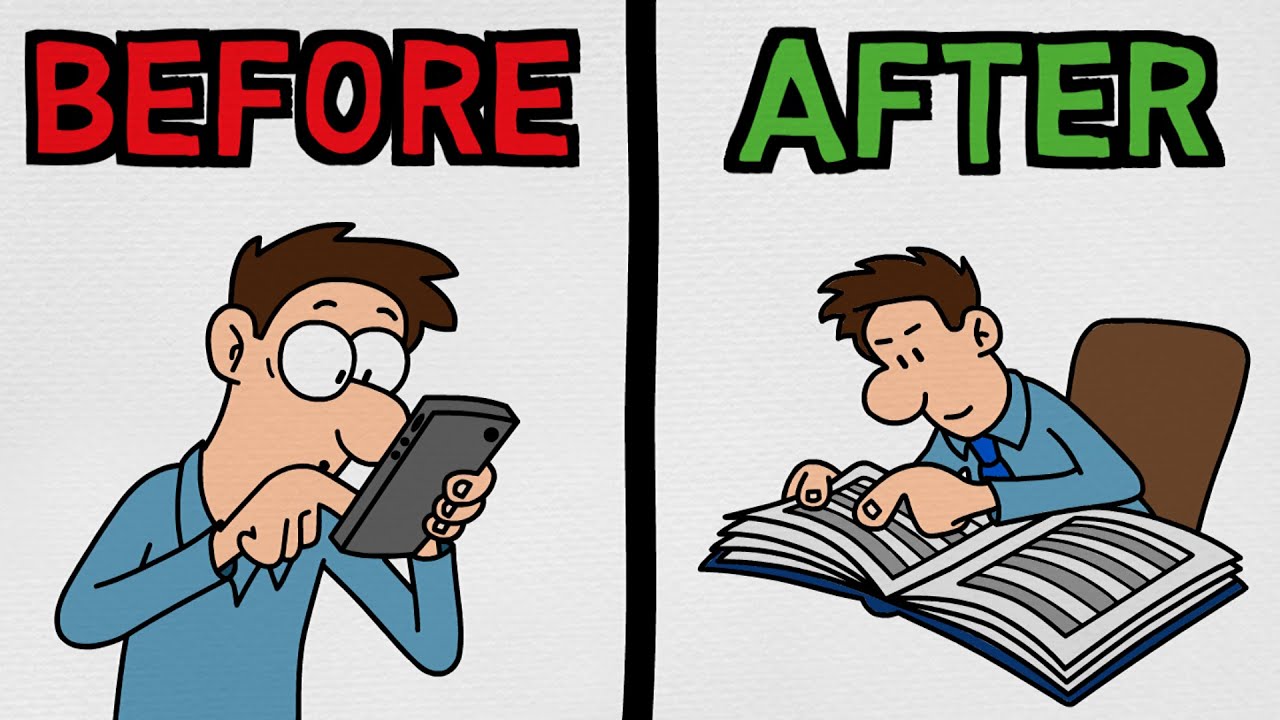
The Canadian YouTube channel Better Than Yesterday, run by creator Adam Del Duca, built an animated explainer around a simple but uncomfortable idea: procrastination isn’t a willpower problem, it’s a dopamine problem. In “How I Tricked My Brain To Like Doing Hard Things (dopamine detox),” Del Duca breaks down why video games, binge-watching, and social media feel effortless while studying, exercising, or grinding through a work project feels almost physically repellent — and what to actually do about it.
- Del Duca frames dopamine not as a “pleasure chemical” but as the neurotransmitter that drives anticipation, craving, and action — the thing that makes you reach for your phone before you even decide to.
- The video contrasts high-dopamine activities (gaming, binge-watching, scrolling social media) with low-dopamine, effortful tasks (studying, exercise, complex projects), arguing constant exposure to the first category raises your baseline stimulation tolerance.
- The core fix is a “dopamine detox” — cutting phone notifications, gaming, social media, and compulsive browsing for a set stretch, such as a full day, to reset that baseline so demanding tasks stop feeling unbearable.
Dopamine Is a Craving Signal, Not a Reward
The video’s central correction is one most people get backwards. Dopamine doesn’t spike when you finally get the reward — it spikes in anticipation of it, which is why refreshing a feed or waiting for a notification can feel more compelling than the content itself. Del Duca uses this to explain why hard, slow-payoff work loses out to phones and screens by design: studying offers no craving signal, while a notification is engineered to produce one instantly.
Rising Difficulty of Academic Study
According to the video, the problem isn’t that difficult tasks got harder — it’s that the brain’s baseline for what counts as “stimulating enough” keeps climbing. Feed it a constant diet of instant digital rewards and a textbook, a workout, or a slow, unglamorous project starts to register as unbearably dull by comparison. That mismatch, Del Duca argues, is the actual mechanism behind procrastination, not laziness or lack of discipline.
Running a Dopamine Detox
Del Duca’s proposed fix is a temporary strip-down: eliminate high-stimulation vices — phone notifications, gaming, social media, compulsive internet browsing — for a defined window, such as a full day. The goal isn’t punishment; it’s recalibration. By sitting through boredom without the usual escape hatches, the brain’s stimulation threshold drops back down, and previously “boring” tasks start to feel engaging again by comparison.
Do the hardest, most low-stimulation task first thing in the morning — before your brain gets a single hit of high-reward stimulation.
Daily Tactics That Make It Stick
Beyond the reset itself, the video lays out habits meant to keep the resistance from creeping back. Add friction to the addictive stuff — log out of apps, delete shortcuts, put the phone in another room — so the craving has to survive an extra step or two before it’s satisfied. Front-load the day with the hardest, most low-stimulation task before checking a phone or opening a feed, so the brain tackles it while the stimulation baseline is still low. And treat high-dopamine activities — games, videos, scrolling — strictly as an earned reward that comes after the deep work is done, not a warm-up before it.
For anyone stacking this against other behavioral fixes for motivation and avoidance, it lines up closely with the reward-based approach covered in The Strategy Of The Best Psychologists In The World | “It Works For Boredom and Laziness”, and with the mindset work in How To Eliminate Self Doubt Forever & The Power of Your Unconscious Mind.
The sequencing is the whole trick: hardest task first, phone last, reward earned instead of grabbed. Skip the order and the detox does nothing — the point isn’t quitting your phone forever, it’s making the boring task win the comparison test against the easy one, just for long enough that it stops feeling like a fight every single morning.





A simple way to break a bad habit | Judson Brewer
Escaping Porn Addiction | Eli Nash
Real Psychologist Reviews Mental Illness In Movies
Make-ahead FREEZER breakfasts! French toast sticks, egg muffins, buttermilk syrup
How Falling Behind Can Get You Ahead