

How To Build Muscle And Lose Fat At The Same Time: Step By Step Explained (Body Recomposition)
 InfoSearched
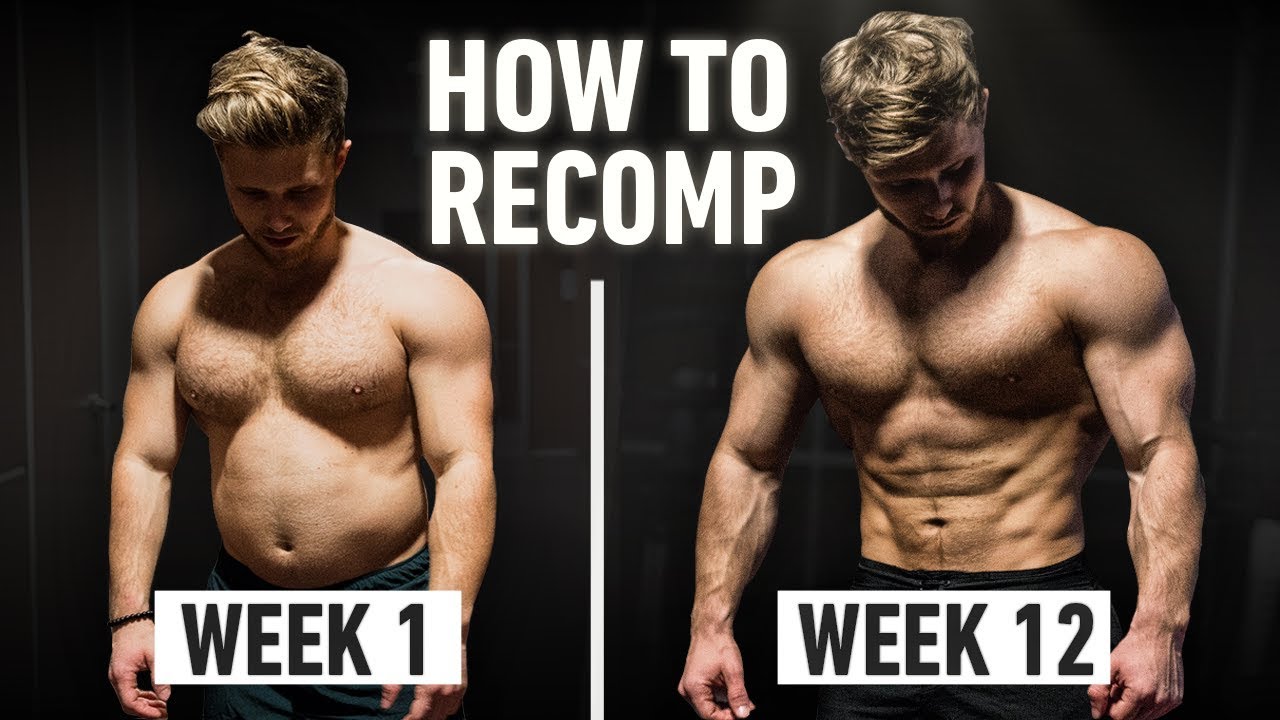
Jeff Nippard says you don’t need a bulk or a cut to add muscle — just the right numbers on your plate.
For years, the standard advice in strength training circles has been simple: eat big to grow, eat small to shred, and never expect both at once. On November 2, 2019, Canadian natural bodybuilder and exercise scientist Jeff Nippard released a video arguing that rule is outdated, timed to the launch of his book, “The Ultimate Guide to Body Recomposition,” co-written with exercise science researcher Chris Barakat, MS, ATC, CISSN. The video, “How To Build Muscle And Lose Fat At The Same Time: Step By Step Explained (Body Recomposition),” lays out the physiology and the protocol behind gaining lean mass while shedding fat in the same stretch of training.
- Nippard and Barakat’s book cites a nine-week autoregulation resistance study of 17 well-trained men — capable of squatting 1.75x bodyweight and benching 1.3x bodyweight — in which five subjects achieved measurable recomposition, led by one trainee who gained more than 8 pounds of lean mass while dropping over 4 pounds of fat.
- Separate research referenced in the guide shows female trainees deadlifting 1.5x bodyweight at roughly 22% baseline body fat adding muscle and losing fat simultaneously on high-protein intakes.
- The protocol calls for near-maintenance calories (a 10–20% deficit for fat-loss focus, or maintenance/slight surplus for lean-gain focus), 1.6 to 2.2 grams of protein per kilogram of bodyweight, and resistance training hitting each muscle group two to three times per week.
The Myth Nippard Is Debunking
The premise Nippard sets out to knock down is the belief that a caloric surplus is mandatory for hypertrophy and that any deficit automatically eats into muscle tissue. Instead, he and Barakat point to stored adipose tissue as a usable energy source that can help fuel muscle protein synthesis while a lifter is simultaneously running a deficit. That reframes body fat less as dead weight and more as a temporary fuel tank — one reason the book pitches recomposition as a legitimate third lane between bulking and cutting.
This isn’t a fringe claim built on anecdote. Nippard leans on controlled trial data rather than before-and-after photos, which is consistent with how he’s built his channel — citing studies the way a researcher would rather than the way a typical fitness influencer sells a program. Readers looking for other evidence-based approaches to trimming fat without wrecking their training output can find a similar framework in 3 Science-Based Tips to Lose Belly Fat.
Nine Week Study Results Explained
The centerpiece data point is the autoregulation resistance training study involving 17 well-trained men who could already squat 1.75 times their bodyweight and bench 1.3 times their bodyweight — hardly beginners. Over nine weeks, five of them hit significant recomposition, and the standout case gained more than 8 pounds of lean mass while losing over 4 pounds of fat in the same window.
One trainee in the study gained over 8 pounds of lean mass while dropping more than 4 pounds of fat — in the same nine weeks.
Nippard also cites research on female trainees who could deadlift 1.5 times their bodyweight at around 22% body fat, showing similar muscle-gain-plus-fat-loss outcomes when protein intake was kept high. Together, the two data sets are used to argue that recomposition isn’t limited to complete beginners — trained lifters with real strength numbers pulled it off too, just less commonly and less dramatically than newer trainees.
Target Audience for the Program
Nippard is careful to define who this is realistically for. His primary candidates are untrained beginners, detrained individuals returning after a layoff, overweight trainees carrying extra fat to draw on, and lifters whose diet or programming has been suboptimal up to that point. That last group matters — someone already dialed in on both training and nutrition has a much smaller window to work with than someone who’s been undereating protein or skipping sets to failure.
That framing lines up with why total body transformations tend to look most dramatic in year one, a pattern documented in stories like LARRY WHEELS – EPIC BODY TRANSFORMATION – HARDCORE GYM MOTIVATION, where the biggest simultaneous muscle-and-fat swings happen early, before the body’s adaptive room shrinks.
The Nutrition and Training Protocol
The step-by-step plan Nippard outlines starts with calories set close to maintenance — a 10–20% deficit if the goal leans toward fat loss, or maintenance-to-slight-surplus if the goal leans toward lean gain. Protein is the non-negotiable: 1.6 to 2.2 grams per kilogram of bodyweight, sometimes higher depending on lean mass, split across three to four meals a day rather than loaded into one sitting. Fat is set at a floor of 20% of total calories, with carbohydrates filling out whatever remains.
On the training side, the protocol calls for progressive resistance work hitting each muscle group two to three times weekly, with the emphasis on maintaining overload and total volume rather than chasing novelty. It’s a far cry from the old bulk-then-cut cycle, and it mirrors intake targets discussed in 8 Foods Men Should Eat Everyday (Science-Based), where protein-forward eating patterns are broken down meal by meal.
Recovery as the Overlooked Variable
Nippard and Barakat call sleep and stress management the “dark horse” of body recomposition — the pieces most lifters ignore while obsessing over macros and sets. Their argument is that both factors directly influence nutrient partitioning, the process that determines whether incoming calories get shuttled toward muscle repair or toward fat storage, and that poor sleep or chronic stress can tip that balance toward muscle catabolism even when the diet and training are dialed in correctly.
The book doesn’t promise recomposition works the same for a beginner and a decade-long lifter — the nine-week study data makes that plain, with only five of 17 trained subjects hitting significant results. But for the untrained, the detrained, and the overweight, Nippard’s pitch is that the surplus-or-bust mentality has been costing people progress they could’ve had all along.







John Cena Split Machine (VAN DAMMES!)
How to be Completely Carefree
“Monks do this all the time”
Reasons To Stop Worrying (Break The Habit of Excessive Thinking)
What to Eat on the Mediterranean Diet