

 InfoSearched
Three days, one food, and a weight-loss trick Chris Kresser laid out for Joe Rogan on his own podcast.
During a conversation on The Joe Rogan Experience, functional medicine practitioner Chris Kresser walked Rogan through what he called the “potato hack” — a short, brutal mono-diet built entirely around plain potatoes. No butter, no oil, no sour cream, just boiled or baked spuds and water, tea, or black coffee for three to five days. Kresser framed it less as a fad and more as a blunt-force tool for rapid fat loss and a gut-health reset.
- The protocol calls for 2 to 5 pounds of plain potatoes a day for three to five straight days, with nothing else besides water, plain tea, or black coffee.
- Because whole potatoes are bulky, filling, and unpalatable in large plain quantities, dieters end up eating roughly 530 to 1,300 calories a day without deliberately restricting — Kresser and others have reported losses of up to a pound per day on it.
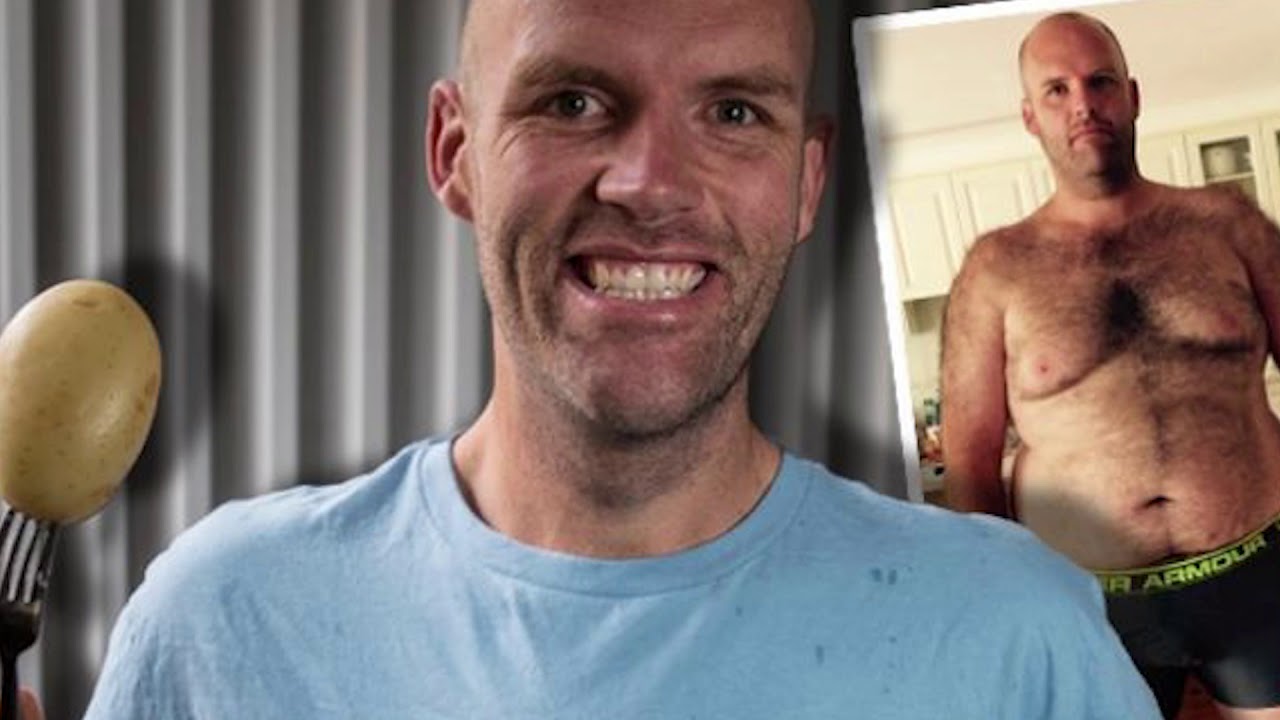
- The idea isn’t new: it traces to 19th-century dietary regimens (circa 1849) and Dr. John McDougall’s starch-based programs, was codified by author Tim Steele in his 2016 book The Potato Hack: Weight Loss Simplified, and got a mainstream boost when magician Penn Jillette credited a strict potato fast with kickstarting his major weight loss.
Technical Mechanics of the Hack
The mechanism Kresser described to Rogan hinges on two things: satiety and resistant starch. Potatoes rank near the top of the satiety index of any food ever tested, meaning they fill you up disproportionately to their calorie count. Cool a cooked potato down and some of its starch converts to resistant starch, a fiber-like compound that isn’t digested in the small intestine but instead ferments in the colon, feeding beneficial gut bacteria.
Strip away every condiment, though, and that same food becomes almost self-limiting. Eating plain potatoes meal after meal gets monotonous fast, so people naturally stop eating well before they’d overconsume calories — which is why followers land in that 530-to-1,300-calorie range without counting a single bite. It’s less a diet plan than an appetite override switch.
Plain potatoes for three to five days, nothing else — that’s the entire protocol, and the boredom is the point.
Origins of the Initial Concept
Kresser didn’t invent the concept, and he didn’t pretend to. The mono-potato approach dates back to dietary regimens from 1849 and later found a modern home in Dr. John McDougall’s plant-based, starch-heavy programs, which pushed potatoes and other starches as the backbone of sustainable weight loss decades before biohacking podcasts existed. If you want to see how a three-to-five-day potato fast stacks up against other short-eating windows, Different Ways Of Fasting runs through the comparable approaches.
The version Kresser described to Rogan is really Tim Steele’s, formalized in his 2016 book The Potato Hack: Weight Loss Simplified. Steele’s framing — treat it as a short reset, not a lifestyle — is what carried the idea into ancestral-health and podcast circles. Penn Jillette’s public credit to a strict potato fast for jumpstarting his own dramatic weight loss gave the concept its biggest celebrity cosign before Kresser brought it to Rogan’s audience.
The Catch Kresser Didn’t Skip Over
Even as he pitched the hack’s effectiveness, Kresser was upfront about its limits. This is an extreme elimination diet by design — potatoes alone don’t supply complete protein, essential fats, or the full spectrum of micronutrients a body needs over the long haul. Run it for three to five days and most healthy people tolerate it fine; stretch it out and the risks shift toward nutritional deficiencies, a slowing metabolism, and the rebound eating that tends to follow any severe short-term restriction.
That’s consistent with how nutritionists generally talk about mono-diets: useful as a hard reset, dangerous as a habit. Anyone drawn to the potato hack after hearing Kresser’s pitch to Rogan would do well to also look at how Why One Meal A Day Is Good For You frames the same appetite-and-satiety trade-offs in a different format, since the underlying caution — short bursts, not permanent strategy — applies just as much there.
Kresser’s pitch to Rogan was never “eat potatoes forever.” It was three to five days, plain spuds, then back to normal eating with a reset appetite and, ideally, a few less stubborn pounds — the same three-to-five-day window Tim Steele wrote into his book back in 2016, and the same one Penn Jillette leaned on to get his own transformation moving.







Dr. Grant Tarling’s Tips on Staying Healthy While Traveling
6 month Insane Calisthenics Transformation
THE BEST Healthy Food Prep!! Protein Granola, Healthy Carbs, Snacks & MORE!
Why should you read “One Hundred Years of Solitude”
Fasting vs. Eating Less: What’s the Difference? (Science of Fasting)