

 InfoSearched
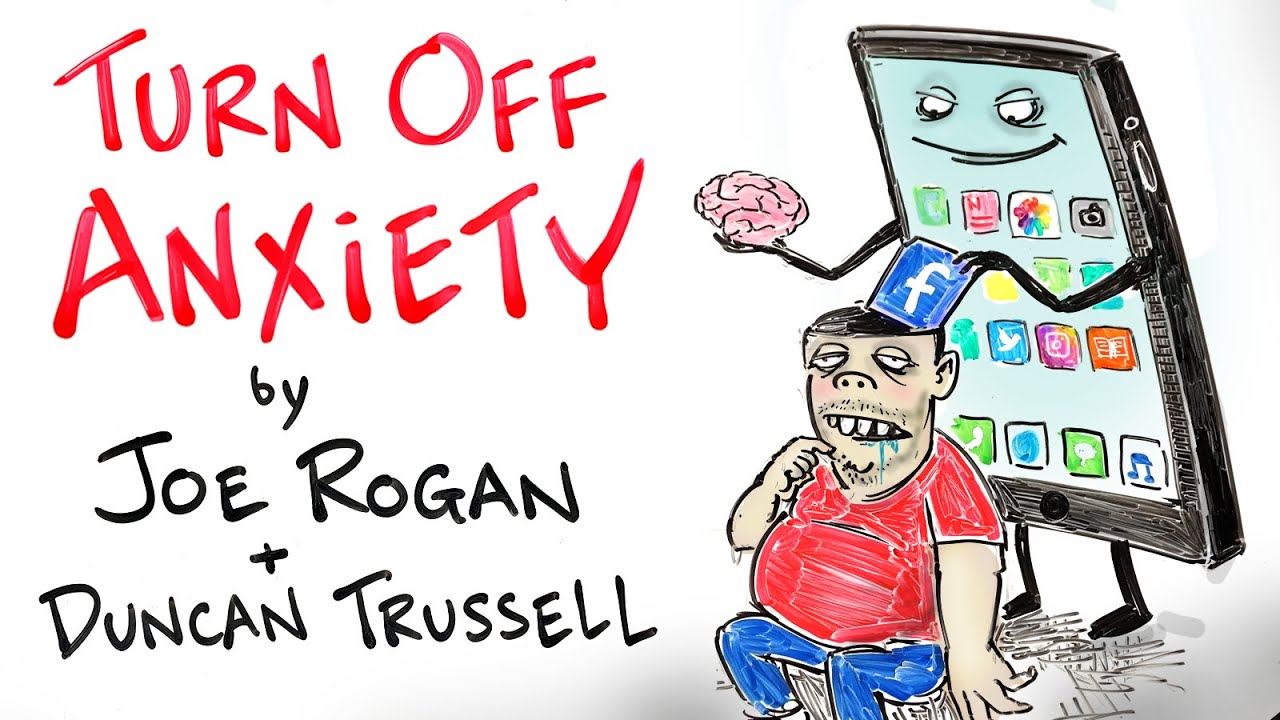
A mental breakdown, Joe Rogan and Duncan Trussell argue, might actually be your system rebooting.
The animation channel After Skool built its reputation on taking heavy audio clips — philosophy lectures, psychology deep-dives, hard conversations about the mind — and turning them into hand-drawn, time-lapse whiteboard shorts. Its latest, “The Benefit of a Mental Breakdown,” pulls the audio straight from an episode of The Joe Rogan Experience, pairing Rogan’s exchange with comedian Duncan Trussell over a fracturing, reassembling illustration of a mind under pressure. The topic: whether hitting rock bottom is purely a crisis, or something closer to a reset.
- The clip is sourced from a conversation between Joe Rogan and recurring guest Duncan Trussell, host of The Duncan Trussell Family Hour, on a past episode of The Joe Rogan Experience.
- Trussell frames a mental breakdown as “a reboot of your system,” describing it as a forced stripping-away of suppressed emotion and false identity rather than simple collapse.
- Rogan compares the aftermath to being “deprogrammed,” arguing a person can rebuild from zero and rediscover who they actually are — while also warning that professional support matters and not everyone bounces back the same way.
Rationale Behind The Clip Selection
After Skool’s format works because it doesn’t just play audio — it visualizes it, using symbolic whiteboard imagery to show cognitive overload, emotional fracture, and eventual clarity as the drawing itself evolves in real time. For a topic like a breakdown, that visual language does something a podcast clip alone can’t: it gives shape to an internal process most people only ever describe in vague terms like “I lost it” or “I hit a wall.”
The choice of source material fits the channel’s pattern of mining long-form conversations for the moment where two people land on an idea sharper than either planned. Rogan and Trussell have talked for hours across multiple appearances; this segment is the distilled few minutes where the exchange turns into something closer to a thesis.
Trussell’s Reboot Theory
Trussell, who has spoken openly about his own struggles with depression, describes reaching emotional rock bottom as a hard reset rather than a dead end. “When you have a mental breakdown, it’s like a reboot of your system… it can be incredibly transformative,” he says on the tape. His argument is that breakdowns tend to arrive after someone has been suppressing emotion for too long, which he says warps a person’s read on their own reality — the breakdown, in his telling, is the release valve for all that pent-up pressure.
He describes the process as passing through a kind of “land of trouble and despair” before anything useful comes out the other side. It’s not a comfortable framing, and Trussell doesn’t pretend otherwise — his point is that the discomfort is the mechanism, not a side effect.
“When you reach the bottom, you find something.”
Rogan’s Take: Deprogrammed and Starting From Zero
Rogan builds on Trussell’s framing by pointing at the culture around it. He argues that modern society pushes people into roles and habits that don’t actually fit who they are, and a breakdown can function as an exit ramp. “It’s like they’ve been deprogrammed and they’re starting from zero again. They can rediscover who they are and what they’re interested in,” Rogan says.
That idea — stripping away an imposed identity to find something more honest underneath — echoes a theme the ego is betraying you from being your genuine self explores from a different angle: that the version of yourself built to survive daily pressure isn’t always the version worth protecting.
The Caveat Neither Man Skips
Rogan doesn’t let the conversation drift into something reckless. He’s explicit that breakdowns can be genuinely dangerous, that recovery isn’t guaranteed, and that professional help matters when someone is in that state — not everyone processes a breakdown the same way, and not everyone should try to white-knuckle through it alone. Trussell’s closing line underlines just how disorienting the process can be: “It’s like being hollowed out, and when you come back, you’re a different person entirely.” For anyone trying to manage that suppressed-emotion buildup before it reaches a breaking point, a piece like Reasons To Stop Worrying (Break The Habit of Excessive Thinking) covers some of the earlier-stage tools worth trying first.
After Skool’s channel has built a whole catalogue out of clips exactly like this one — short, illustrated, audio-driven breakdowns (no pun intended) of ideas that are usually buried forty minutes into a three-hour podcast. This one just happens to be about the word itself.






The SECRET to Super Human STRENGTH
I Tried Trippy BREATHWORK
Why Japan Lives Longer
Things Only A True INFJ Would Understand
45 Life Lessons Written By A 90 Year Old