

 InfoSearched
Seven kitchen habits promise to make weeknight cooking painless — and they come straight from a Canadian nutrition coach who quit her marketing job to build a meal-prep brand.
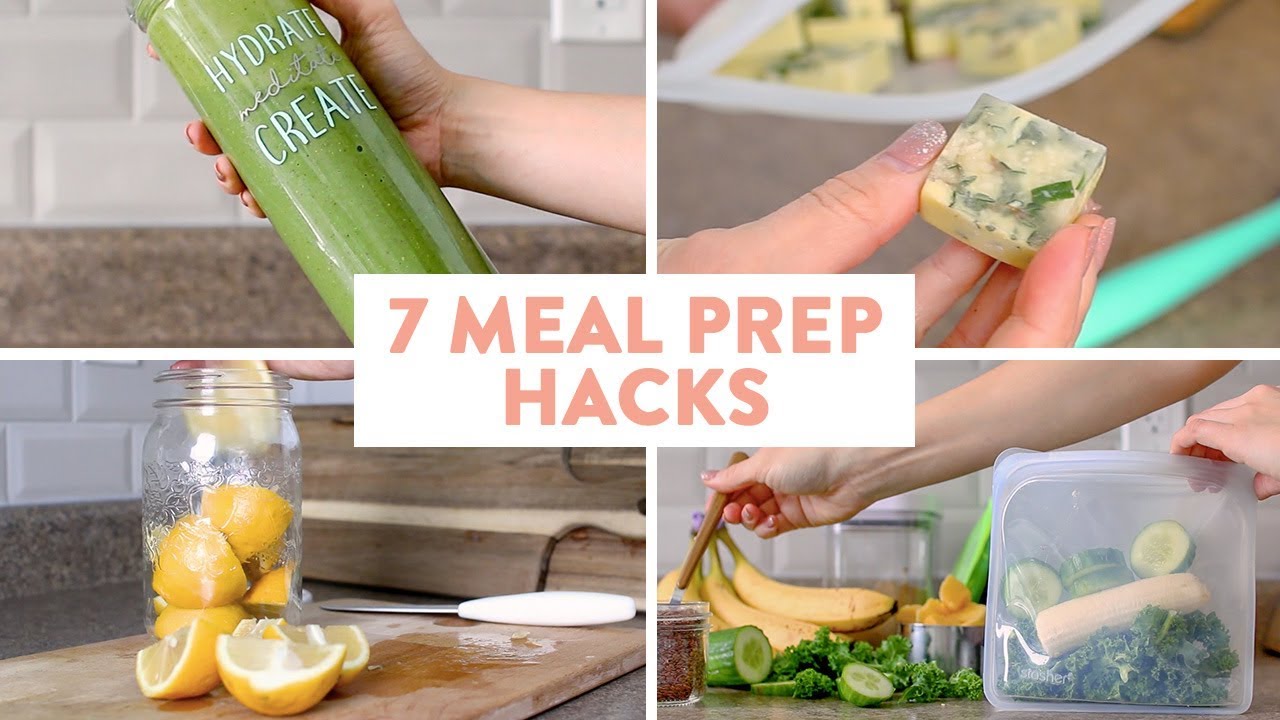
Nikole Goncalves runs HealthNut Nutrition full-time now, but she spent years in corporate marketing before walking away in early 2017 to teach people how to cook for themselves without burning out. Her January 23, 2019 video, “7 MUST KNOW Meal Prep Hacks!”, lays out the system she actually uses in her own kitchen — built around what she calls the 80/20 rule, eating whole, unprocessed food most of the time while leaving room for treats, with zero calorie counting involved. The seven hacks she walks through are less about recipes and more about logistics: containers, batching, and storage tricks designed to stop food from going bad before you get to eat it.
- Goncalves frames her entire approach around the 80/20 rule — nutrient-dense whole foods 80 percent of the time, flexibility for treats the other 20 percent, with no restrictive calorie counting.
- The video breaks down seven distinct hacks, from menu planning and container selection to batch-cooked staples, freezer stocking, and mason jar salad layering.
- She specifically recommends cold-water immersion baths and breathable storage to extend the shelf life of trimmed greens and prepped vegetables.
Planning the Week Before You Shop
Goncalves starts every prep session before she ever touches a pan. Her first hack is building a consolidated weekly menu and a targeted grocery list around it, rather than shopping first and figuring out meals later. The point is to stop the two most common kitchen failures — food spoiling in the crisper drawer because no one had a plan for it, and impulse buys that never get used. A tight list built around an actual menu, she argues, is the difference between a fridge that gets emptied by Sunday and one that gets thrown out.
Her second hack follows directly from the first: container optimization. Goncalves uses modular glassware and bento-style organizers that are airtight, microwave-safe, and dishwasher-safe, portioned out for specific meals across the week. The containers aren’t just storage — they’re part of the planning system, since portioning meals into designated boxes forces the same discipline as writing the menu down in the first place.
Batching, Not Duplicating
The third hack is where Goncalves departs from the standard “cook five identical lunches” advice. Instead of assembling fully rigid, identical dishes, she pre-cooks versatile base staples in bulk — whole grains, roasted vegetables, proteins — and treats them as building blocks. One batch of quinoa, roasted sweet potato, and grilled chicken can become a grain bowl on Monday and a salad topping on Wednesday without tasting like leftovers either time. Readers who want a broader library of everyday staples to rotate into that batching system can check what a full day of eating actually looks like in What I Eat In A Day.
Freshness preservation is hack number four, and it’s the most technical of the seven. Goncalves prepped trimmed greens and vegetables using cold-water immersion baths or breathable containers specifically to prolong shelf life — a detail that separates her system from generic “prep it and hope” advice. Getting the storage method wrong is usually why a $6 bag of spinach turns to slime by Wednesday.
Eating whole, unprocessed, nutrient-dense foods 80 percent of the time — and leaving the other 20 percent for treats, no calorie counting required.
Mornings and the Freezer Backup Plan
Hack five targets the meal most people skip entirely: breakfast. Goncalves pre-freezes portioned smoothie packs — essentially smoothie cubes ready to dump in a blender — alongside overnight oats built in mason jars the night before. Both are built for speed: grab, blend or eat, go.
Hack six is a construction detail specific to jar salads: dressings and wet ingredients go at the base, with delicate leafy greens layered strictly at the top. That order keeps the greens from wilting into a soggy mess by the time lunch rolls around on Thursday. The seventh and final hack is the freezer as backup dinner plan — double-batching baked goods, sauces, and soups, then freezing them flat in silicone freezer bags or portioned cubes so a hard week never means a fast-food night.
Taken together, the seven hacks form a system rather than a checklist — plan the menu, portion the containers, batch the staples, protect the produce, front-load breakfast, layer the jars correctly, and keep a frozen safety net stocked. It’s the same logic Goncalves has applied across her channel since leaving her corporate job, and it’s why the video reads less like a listicle and more like the actual workflow she runs in her own kitchen every Sunday.



7 Healthy Breakfast Ideas For The Entire Week
My Plastic Surgery journey Part 2 (Recovery & Results)
Why You Should Switch to Organic Skin-Care
4 Healthy Oatmeal Recipes
The Hoarder Who Can’t Get Into His Own House | BRITAIN’S HIDDEN HOARDERS