

 InfoSearched
One YouTuber says two years of chasing likes taught him more about anxiety than any therapist ever did.
Cris Nikolov, the host behind the YouTube channel MotivationGrid, opens his roughly four-minute-and-nineteen-second video “This Is How Social Media Is Destroying Your Life – The Fake Reality” with an admission rather than a hook: he calls it “one of the most important videos I’ve made.” That’s not a throwaway line. Nikolov says the piece grew out of two years of his own struggle watching how Instagram and Facebook reshaped the way he judged his own life, and he built the video as a direct warning to anyone still scrolling without noticing what it’s doing to them.
- Nikolov frames the video as personal, not theoretical, tying it directly to “personal experiences over the prior two years” rather than abstract commentary.
- The video explicitly argues social media technology “is not inherently evil” — the damage comes from users sharing curated highlight reels instead of their actual lives.
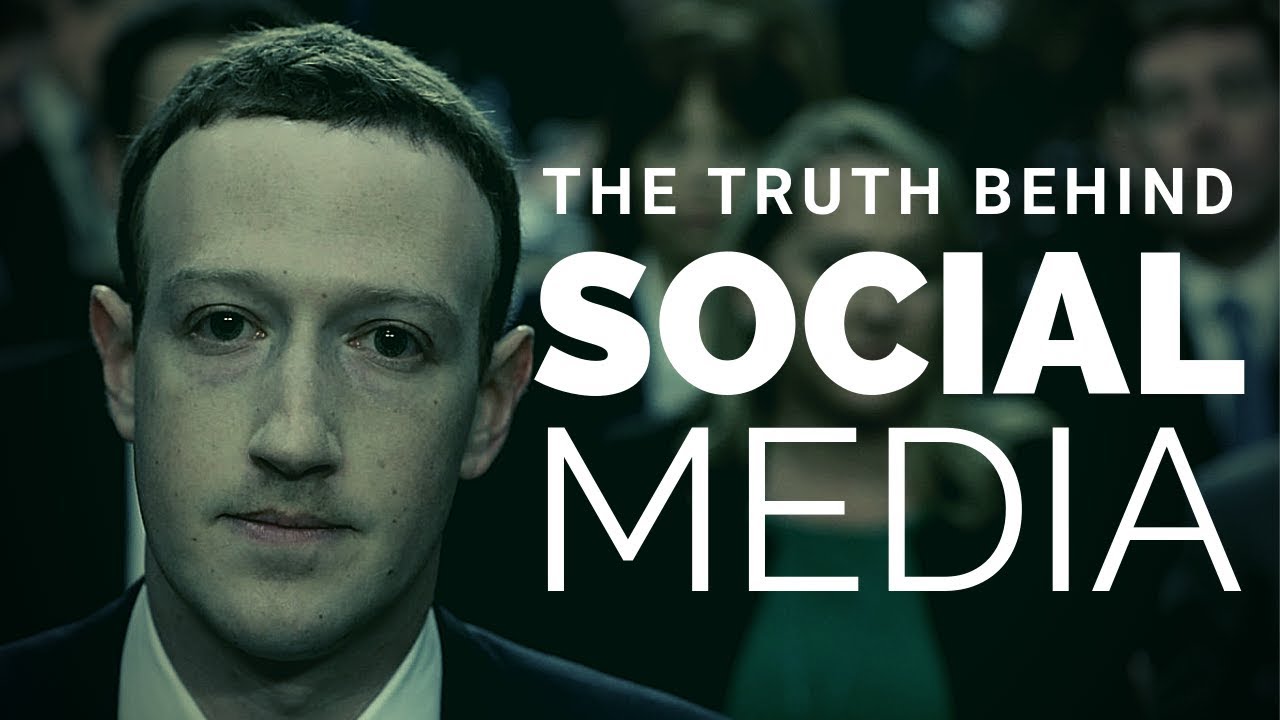
- It references Facebook CEO Mark Zuckerberg’s testimony before the United States Congress as the real-world flashpoint for the platforms’ broader privacy and trust problems.
The Highlight Reel Problem
Nikolov’s central argument is simple and deliberately uncomfortable: what shows up in a feed is never a life, it’s a highlight reel. Luxury vacations, flawless bodies, constant happiness — the video walks through each of these staged categories and contrasts them with the real struggles people go through off-camera. The gap between the two, he argues, is exactly where self-esteem gets quietly eroded, one comparison at a time.
That framing lines up with a broader conversation health and psychology creators have been having about self-worth and unconscious patterns of thought, something explored from a different angle in How To Eliminate Self Doubt Forever & The Power of Your Unconscious Mind. Nikolov’s point isn’t that people are weak for feeling insecure — it’s that the comparison itself is rigged from the start, because nobody is measuring their real Tuesday against someone else’s real Tuesday. They’re measuring it against a highlight reel.
“One of the most important videos I’ve made.”
From Cambridge Analytica to Congress
Nikolov doesn’t keep the video confined to individual psychology. He pulls the camera back to the socio-political fallout that had already engulfed Silicon Valley by the time he made this video — the social media privacy scandals that forced Mark Zuckerberg to testify before Congress. By linking that institutional reckoning to the personal one happening in every user’s head, the video argues the “fake reality” problem isn’t just about vanity metrics; it’s baked into how these platforms are designed and monetized in the first place.
The Narcissism Culture and Passive Scrolling
The video also takes aim at what Nikolov calls a rising culture of narcissism — the obsessive selfie-and-highlight cycle that rewards image over substance. His warning is aimed squarely at passive scrolling, the habit of consuming other people’s curated lives without any active filter or skepticism. That theme echoes concerns raised elsewhere about digital habits reshaping mental health more broadly, a subject also touched on in This could be why you’re depressed or anxious | Johann Hari, which similarly ties modern isolation to disconnection from real, lived experience rather than a manufactured one.
The Fix Nikolov Proposes
Nikolov’s prescription isn’t to quit social media outright — it’s to recognize the artificial nature of the feed every time you open it. He wants viewers to consciously separate the performance from the person, to remember that the beach photo took forty attempts and the “perfect” body in someone’s post skipped every bad-lighting day that didn’t make the cut. That recognition, he argues, is the actual defense against the comparison spiral, not willpower or self-esteem alone.
Nikolov never suggests deleting the apps — MotivationGrid’s own channel lives on the same platforms he’s warning viewers about. The point he’s making in under four and a half minutes is narrower than that: the next time that feed loads and someone’s life looks better than yours, remember you’re looking at their highlight reel, not their Tuesday.




The Enzyme Mask That Treats Acne And Contours Skin
You Will Never Be Lazy Again
5 More Easy Healthy Breakfast Ideas | In Under 5 Minutes
Escaping Porn Addiction | Eli Nash
We Try Quitting Added Sugar For A Month