

 InfoSearched
Russell Brand breaks down anxiety as something you can’t just switch off, and lays out what actually works.
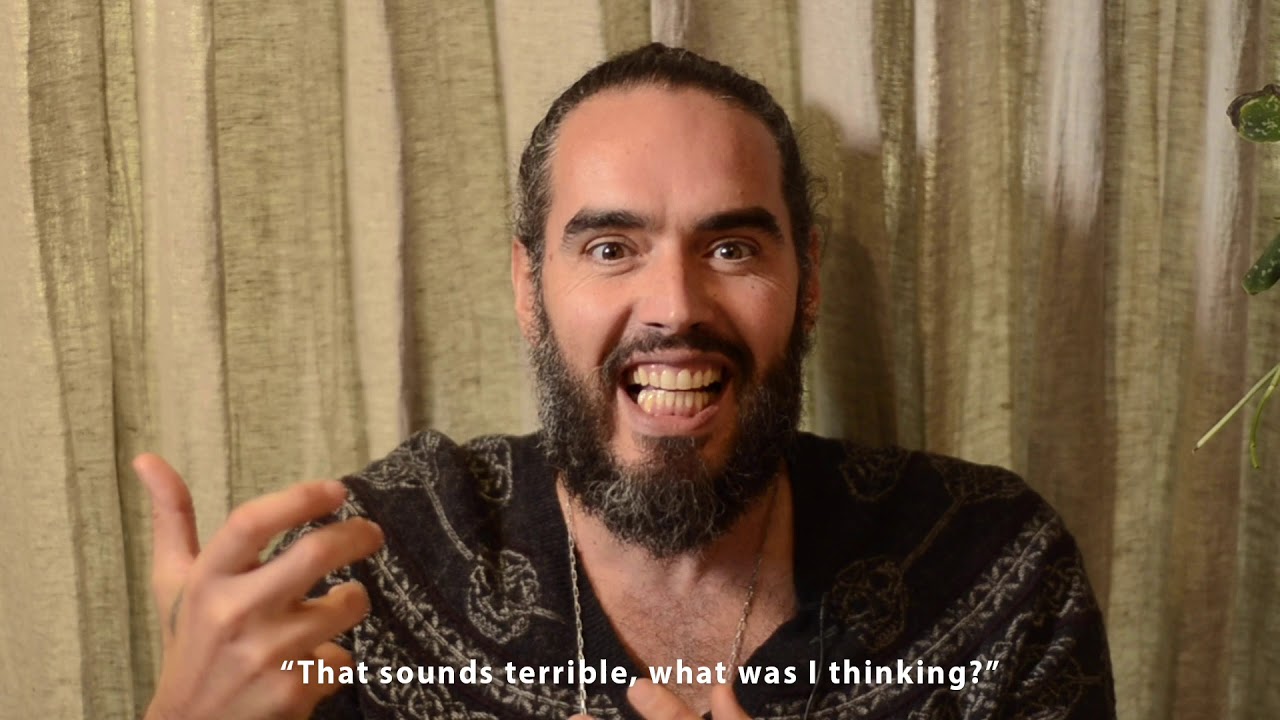
Russell Brand posted a new video to his YouTube channel on January 30, 2019, titled “Russell Brand On Anxiety,” and it’s not a polished self-help lecture — it’s Brand talking straight to camera about a condition he’s lived with for years. The video arrives alongside his book Mentors: How to Help and Be Helped, published earlier that same month, and draws heavily on the recovery principles he’s built his post-addiction life around.
- Brand defines anxiety as “a constant cringe in your being, a concern about your own existence, a doubt about your place in the world” — not ordinary nervousness.
- He argues anxiety “is not something you can just switch off, like a tap,” rejecting quick-fix positive thinking as a solution.
- His core method draws on 12-step recovery traditions and the ideas in Mentors: radical honesty, asking for help, and shifting focus outward to disrupt anxious spirals.
Brand Defines The Nature Of Anxiety
Brand spends the opening stretch of the video separating anxiety from garden-variety worry. It’s not butterflies before a meeting or nerves before a first date — it’s a low, grinding state that colors every interaction with self-doubt. He describes it as something closer to a permanent flinch, a background hum questioning whether you belong anywhere at all.
That framing matters because it sets up his central argument: you can’t out-think your way out of it. Willpower doesn’t work on anxiety the way it might work on procrastination, and Brand is blunt that treating it like a bad habit to be disciplined away misses what’s actually happening in someone’s head.
“It’s not something you can just switch off, like a tap. It’s a deep-seated, complex issue that requires serious attention and understanding.”
Getting Out of Your Own Head
Brand’s practical advice centers on breaking what he calls obsessive, fear-driven thought loops — the kind of spiraling self-absorption where the mind keeps circling the same worry. His answer isn’t distraction; it’s connection. He points to radical honesty about vulnerability and, critically, refusing to try to process distress alone.
This is where the 12-step influence shows most clearly. Brand describes asking for help, practicing mindfulness, and actively supporting other people as tools that pull a person out of their own ego long enough to interrupt the spiral. It’s the same architecture recovery programs use for addiction, applied here to chronic anxious states rather than substance use.
The Mentors Connection
None of this exists in a vacuum — the video functions as a companion piece to Mentors: How to Help and Be Helped, which lays out Brand’s broader case for why stepping outside yourself, whether by mentoring someone else or being mentored, is one of the few reliable ways to loosen anxiety’s grip. The video compresses that book’s argument into a direct, personal address rather than a lecture.
For readers looking at coping strategies more broadly, the underlying idea — that isolation feeds anxious thinking while outward-facing action starves it — echoes themes covered elsewhere, including how ego can distort a person’s sense of self and how self-doubt gets reinforced by unchecked internal patterns.
Seeking Help Without Shame
Brand’s message throughout is that asking for help isn’t a failure state — it’s the mechanism. Whether that’s a mentor, a sponsor, a therapist, or simply someone willing to hear an honest account of what’s going on, the point is the same: anxiety thrives in secrecy and isolation, and it loses power the moment it’s spoken out loud to another person.
That’s really the whole video in one move — Brand isn’t selling a technique so much as a habit of turning toward people instead of away from them, which lines up exactly with what he’s spent the last decade writing and talking about since he got sober.




12 Bad Habits That Damage Your Brain
A Mom Tried Keto Diet For 30 Days. This Is What Happened When Things Went Wrong.
How Dopamine Affects Our Ability to Take Action (Dopamine Detox)
Being Healthy Can Be Fun
Potato Diet (The Potato Hack) – Chris Kresser & Joe Rogan