

 InfoSearched
Turmeric sits in your spice rack, but the compound doing the real work is hiding inside it in tiny amounts.
Turmeric has been a kitchen and Ayurvedic medicine staple for centuries, prized for its golden color and its role in curries, teas, and tonics. But the “turmeric” people talk about for joint pain and inflammation isn’t quite the same thing as the raw spice sitting in a jar. The real story is about curcumin — the specific compound inside turmeric that does the heavy lifting, and why getting enough of it is harder than just sprinkling more spice on your food.
- Curcumin is the primary polyphenol in turmeric responsible for its yellow-gold color and most of its medicinal effects, but raw or powdered turmeric spice contains only about 2% to 8% curcumin by weight.
- Clinical reviews indicate curcumin can match ibuprofen and other NSAIDs in easing arthritis symptoms and morning stiffness for conditions like osteoarthritis and rheumatoid arthritis.
- Curcumin is poorly absorbed on its own; pairing it with piperine (from black pepper) or consuming it alongside dietary fat significantly boosts how much actually reaches the bloodstream.
Turmeric the Spice vs. Curcumin the Compound
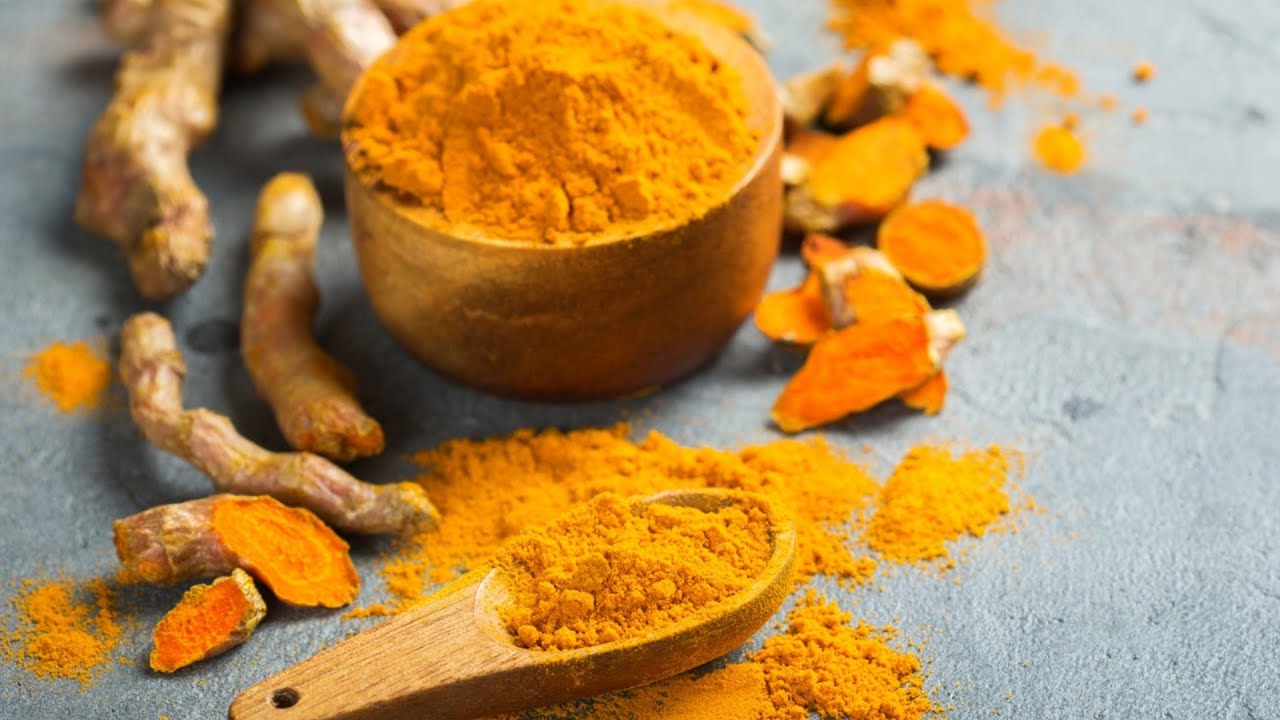
Turmeric is the underground rhizome of the Curcuma longa plant, a member of the ginger family that’s been dried, ground, and used in cooking and traditional medicine for generations. Curcumin is just one component of that rhizome — the curcuminoid that gives turmeric its color and carries the bulk of its antioxidant and anti-inflammatory punch. The distinction matters because most people assume eating more turmeric automatically means getting more curcumin, when in reality the spice itself is a fairly dilute source. For a deeper look at where turmeric comes from and how it’s traditionally used, see The Golden Spice: A Closer Look at Turmeric.
Because whole turmeric only carries curcumin in that 2%-to-8% range, culinary use — stirring it into rice or a curry — introduces trace nutrients but rarely delivers the concentrated dose used in clinical studies. That’s why supplement makers extract and concentrate curcumin separately, producing capsules and powders that pack far more of the active compound than you’d get from the spice jar alone.
Curcumin Benefits for Joint Pain
Curcumin’s reputation rests on its antioxidant and anti-inflammatory activity, which has made it a go-to for people managing osteoarthritis and rheumatoid arthritis. Clinical reviews cited in the research on the subject show curcumin can go toe-to-toe with NSAIDs like ibuprofen when it comes to easing arthritis pain and reducing morning stiffness — a meaningful finding for anyone looking for an alternative to daily over-the-counter medication.
Raw turmeric spice runs just 2% to 8% curcumin by weight — the rest is fiber, starch, and color with none of the studied therapeutic punch.
That’s a notable claim, but it comes with a catch that anyone reaching for a curcumin supplement needs to understand before assuming it’ll work like a pill straight out of the bottle.
The Bioavailability Problem
Curcumin’s biggest weakness isn’t its effectiveness — it’s absorption. On its own, curcumin is poorly absorbed into the bloodstream and metabolizes rapidly, meaning a lot of what’s swallowed never gets the chance to do anything. Nutritional science addresses this two ways: pairing curcumin with piperine, the active compound in black pepper, which dramatically boosts absorption, or taking it alongside dietary fat, since curcumin is fat-soluble. This is a key reason many supplement labels list black pepper extract right alongside curcumin on the ingredient panel.
Readers building out a broader anti-inflammatory or joint-health routine may find it useful to pair this knowledge with other dietary staples — see 8 Foods Men Should Eat Everyday (Science-Based) for context on what else belongs on the plate alongside turmeric and curcumin.
Beyond Joint Pain
The anti-inflammatory and antioxidant properties that make curcumin useful for arthritis are the same properties researchers have looked at for a range of other inflammatory conditions, which is part of why curcumin supplements have become so common on pharmacy shelves. The takeaway for anyone trying to use turmeric therapeutically is simple: cooking with the spice is a fine habit, but it’s not a substitute for a concentrated curcumin extract if the goal is symptom relief backed by the studies actually cited in this research.
So the next time a recipe calls for a teaspoon of turmeric, that’s flavor and color — not a dose. If joint pain is the actual target, the label to check is the curcumin percentage and whether piperine is on the ingredient list, because that’s the difference between a spice rack staple and something with a shot at doing what ibuprofen does.








Schizophrenic in 2020 (Coping with the Chaos)
Full Leg Workout for Bigger Stronger Legs (LEG DAY WORKOUT!)
MY BODY TRANSFORMATION
Why should you read “One Hundred Years of Solitude”
5-Minute Workout That Replaces High-Intensity Cardio