

 InfoSearched
A YouTube breathwork routine claims it can flip on a switch most people never knew they had — no substance required.
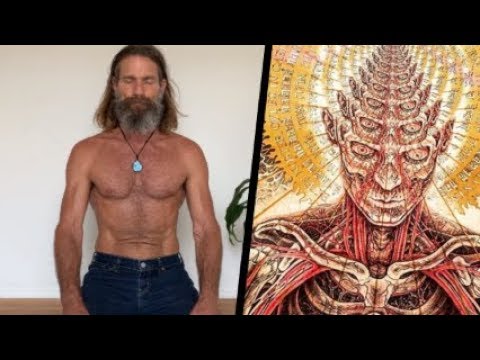
The video comes from certifiedhealthnut, a wellness creator whose channel leans hard into holistic fitness and breath-based practice, and it makes a bold pitch: a structured breathing cycle, borrowed heavily from the Wim Hof Method and older pranayama traditions, that supposedly stirs loose the DMT the body already stores and produces a brief, self-generated psychedelic-adjacent state. No compound is ingested. The entire mechanism, according to the tutorial, runs on oxygen, carbon dioxide, and timing.
- The protocol calls for 30 to 40 rapid, deep breaths — full belly-to-chest inhales followed by unforced exhales — before moving into an extended breath-hold on the exhale, sustained until the natural gasp reflex kicks in.
- Practitioners then take one deep recovery inhale and hold it under slight cranial pressure, a step the video frames as directing blood flow toward the center of the brain and the pineal gland.
- The claimed payoff is a subjective state resembling a mild, non-breakthrough DMT experience — tingling, lightheadedness, emotional release, and closed-eye geometric visuals — though mainstream neurobiology has not verified that breathwork actually triggers endogenous DMT release.
The Protocol, Breath by Breath
The mechanics are deliberately simple, which is part of the appeal. A practitioner sits or lies down and cycles through 30 to 40 continuous breaths pulled fully into the belly and then the chest, exhaling passively rather than forcing the air out. That rapid cycling is designed to shift blood gas chemistry fast — pushing oxygen saturation up while carbon dioxide gets blown off, a state clinicians call respiratory alkalosis.
Once that hyperventilation phase ends, the exhale-hold begins. Practitioners stop breathing on an empty exhale and stay there — sometimes for well over a minute — until the gasp reflex forces a breath back in. The recovery breath that follows is held under light pressure at the top, which the video describes as concentrating energy and circulation toward the middle of the skull, the rough location of the pineal gland.
The Wim Hof Connection
The breathing pattern at the center of the video is essentially the Wim Hof Method with a DMT framing bolted on. Wim Hof, the Dutch extreme athlete who holds multiple world records for cold endurance, built his method around three pillars: breathing exercises, cold exposure, and meditation. The breathing component — cyclical hyperventilation followed by breath retention — is the same structure certifiedhealthnut walks through, just repackaged around pineal gland activation rather than cold tolerance or immune response, the areas where Hof’s method has drawn the most scientific attention. Readers curious about adjacent energy-based practices can see a similar logic at work in Qi Gong’s approach to breath and internal energy circulation, another discipline that ties controlled respiration to altered states of awareness.
Advocates describe the sensations that follow the breath-hold — tingling limbs, a rush of lightness, sometimes tears or laughter, occasionally closed-eye visuals with geometric patterns — as evidence the body is briefly flooding itself with its own psychedelic chemistry. It’s a claim that circulates widely across breathwork and biohacking communities, and one that leans on DMT’s reputation as the so-called “spirit molecule,” a compound found in trace amounts in plants and, according to some research, in mammalian tissue.
The exercise culminates in holding the breath on an exhale until the natural gasp reflex — then a single recovery inhale held under slight cranial pressure to push blood toward the center of the brain.
Scientific Consensus Confirmed
The physiology of the breath-hold itself isn’t in dispute. Rapid hyperventilation followed by prolonged retention does produce measurable, well-documented changes: temporary respiratory alkalosis, altered cerebral blood flow, and a sharp spike in sympathetic nervous system activity. Those shifts alone can explain a lot of what practitioners feel — the tingling, the head rush, the wave of emotion — without needing DMT to be involved at all.
Where the claim gets shakier is the direct line from “breathwork changes blood gases” to “breathwork releases stored DMT from the pineal gland.” That connection remains an unverified hypothesis in mainstream neurobiology. Researchers have found evidence of endogenous DMT-related compounds in mammalian brain tissue, but no clinical study has confirmed that a breathing pattern like this one triggers a measurable DMT release sufficient to cause psychedelic effects. The video’s framing treats a real, testable physiological event — the hormonal cascade of adrenaline, endorphins, and dopamine that hyperventilation and breath-holding produce — as proof of a much bigger, still-unproven biochemical claim.
None of that has slowed the technique’s popularity. The breath-hold-and-recovery format shows up across wellness channels precisely because the sensations are real and immediate, even if the DMT explanation for them isn’t settled science — which is exactly why a video promising a legal shortcut to a psychedelic-style rush, using nothing but 30 breaths and a stopwatch, keeps getting passed around.






30-Minute HIIT Cardio Workout with Warm Up – No Equipment at Home
Probiotics Benefits + Myths | Improve Gut Health | Doctor Mike
Use This Breathing Exercise To Activate The DMT Stored In Yourself!
Health Anxiety Affirmations | Release Symptoms Of Anxiety (DAILY LISTEN)
15 Reasons Why Highly Intelligent People Struggle With Love