

 InfoSearched
A college student describes sharing every waking minute with a hallucinated clown that never leaves.
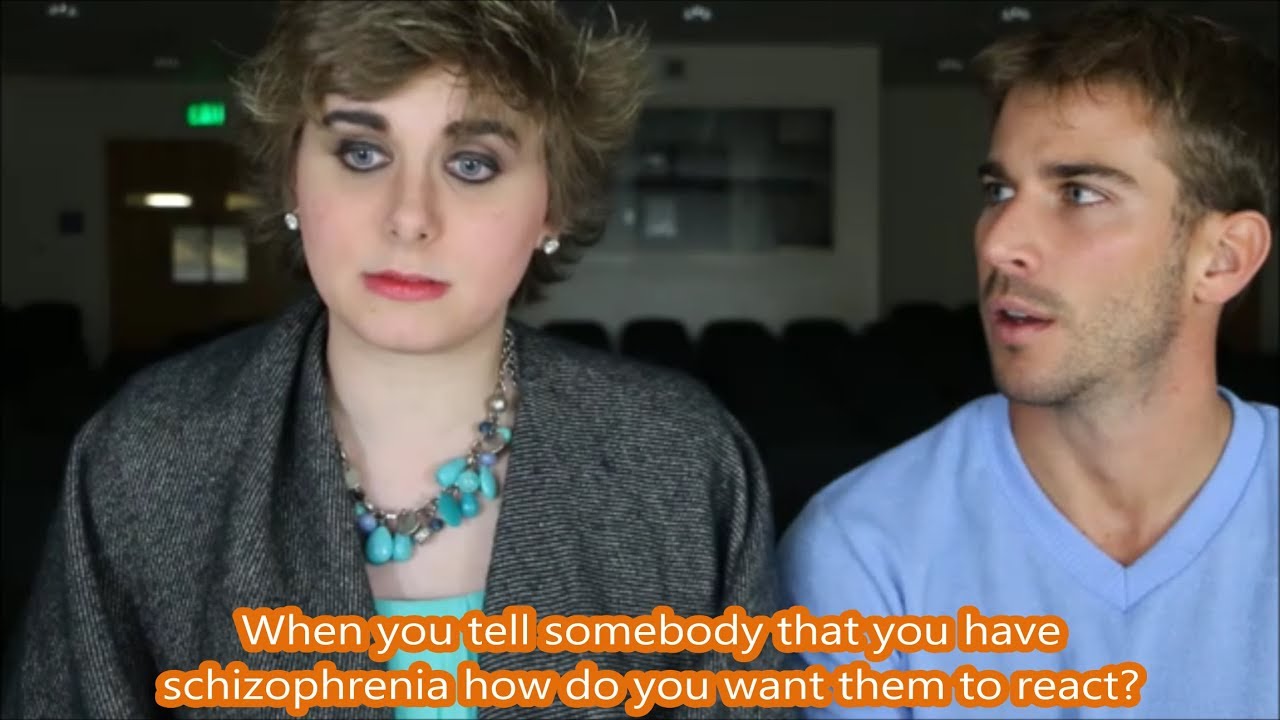
Cecilia McGough sits across from host Chris Ulmer and says something most people never have to say out loud: the hallucinations don’t come and go, they’re just always there. In a nine-minute, 24-second interview posted November 16, 2017, by the nonprofit platform Special Books by Special Kids (SBSK), McGough — a college student diagnosed with both schizophrenia and autism — walks through what it actually looks and sounds like to live with psychosis around the clock.
The conversation, part of SBSK’s ongoing series of unscripted interviews with people navigating disability and mental illness, doesn’t dramatize her condition. It lets McGough describe it in her own terms — the imagery, the voices, the years she spent hiding it, and the hospitalization that finally forced the issue into the open.
- Cecilia McGough, diagnosed with schizophrenia and autism, tells Chris Ulmer her hallucinations occur nearly every minute of every day, including a recurring violent clown figure she compares to the Stephen King adaptation IT, plus shadowy figures and constant auditory voices.
- She concealed her worsening symptoms for years out of fear that friends, family, and society would call her “crazy,” an isolation that ended in a college suicide attempt and subsequent psychiatric hospitalization.
- After recovering, McGough became a public mental health advocate, working to destigmatize psychosis so others never feel ashamed to say “I have schizophrenia.”
Inside the Hallucinations
McGough tells Ulmer her visual hallucinations are dominated by one recurring figure: a violent, menacing clown that echoes the imagery of Stephen King’s IT. Alongside the clown, she describes shadowy human-like figures that appear at the edges of her vision, layered on top of auditory voices that run in the background of her day. She’s explicit that this isn’t an occasional flare-up — it’s a near-constant presence she has to actively work around while doing ordinary things like attending class or holding a conversation.
What makes the interview useful beyond McGough’s individual case is the way she breaks down her own reality-testing process — the specific mental checklist she runs to separate what’s actually happening in a room from what her brain is generating. She describes it less as “ignoring” the hallucinations and more as constantly cross-referencing them against evidence, a skill she says took years of practice and clinical support to build.
Years of Silence
Before she had language for any of this, McGough kept it to herself. She tells Ulmer the deciding factor wasn’t a lack of awareness that something was wrong — it was fear of the label. She worried that naming what she was experiencing out loud would get her written off as “crazy” by the people closest to her, so she absorbed the symptoms alone rather than risk that reaction.
That silence has a real cost, and McGough is direct about what it did to her. The isolation compounded rather than resolved anything, and by the time she reached college, the untreated strain had built into something she couldn’t manage privately anymore.
The Hospitalization That Changed Everything
McGough’s silence ended with a suicide attempt during college that led directly to psychiatric hospitalization. She’s candid with Ulmer about the fact that it was the crisis point — not a gradual decision — that finally put her in front of clinicians who could name what she was dealing with and start treating it directly.
She wants a world where nobody is ever again afraid to say, “I have schizophrenia.”
That hospitalization marks the hinge point in her story: everything before it is defined by concealment, and everything after it is defined by McGough deciding to talk about her diagnosis in public rather than around it.
Turning Pain Into Advocacy
Since her recovery, McGough has built a public voice around mental health awareness, specifically targeting the stigma surrounding psychosis and schizophrenia. She frames her advocacy work as directly tied to what she wishes had existed when she was hiding her symptoms — an environment where saying the words out loud wouldn’t cost her the relationships or reputation she was afraid of losing.
Viewers looking for more first-person accounts of navigating psychosis day-to-day can find a related perspective in Schizophrenic in 2020 (Coping with the Chaos), and those interested in the broader conversation around psychological wellbeing can browse InfoSearched’s Mental Health coverage.
McGough isn’t asking viewers for sympathy in the interview — she’s asking them to sit with the specifics: a clown that won’t leave, voices that don’t quiet down, and years spent staying quiet about both. The nine minutes end with her goal stated plainly, not as a slogan but as the actual point of doing the interview at all — one more person willing to say “I have schizophrenia” without flinching, so the next person doesn’t have to hide it for years the way she did.







7 Healthy Breakfast Ideas For The Entire Week
Why One Meal A Day Is Good For You | The Unknown Secret
Mayo Clinic Minute: 6 tips to healthy eating on a budget
I Tried Da Vinci’s (Insane) Daily Routine: Here’s What Happened
The Most PAINFUL Thing a Human Can Experience?? | Kidney Stones