

 InfoSearched
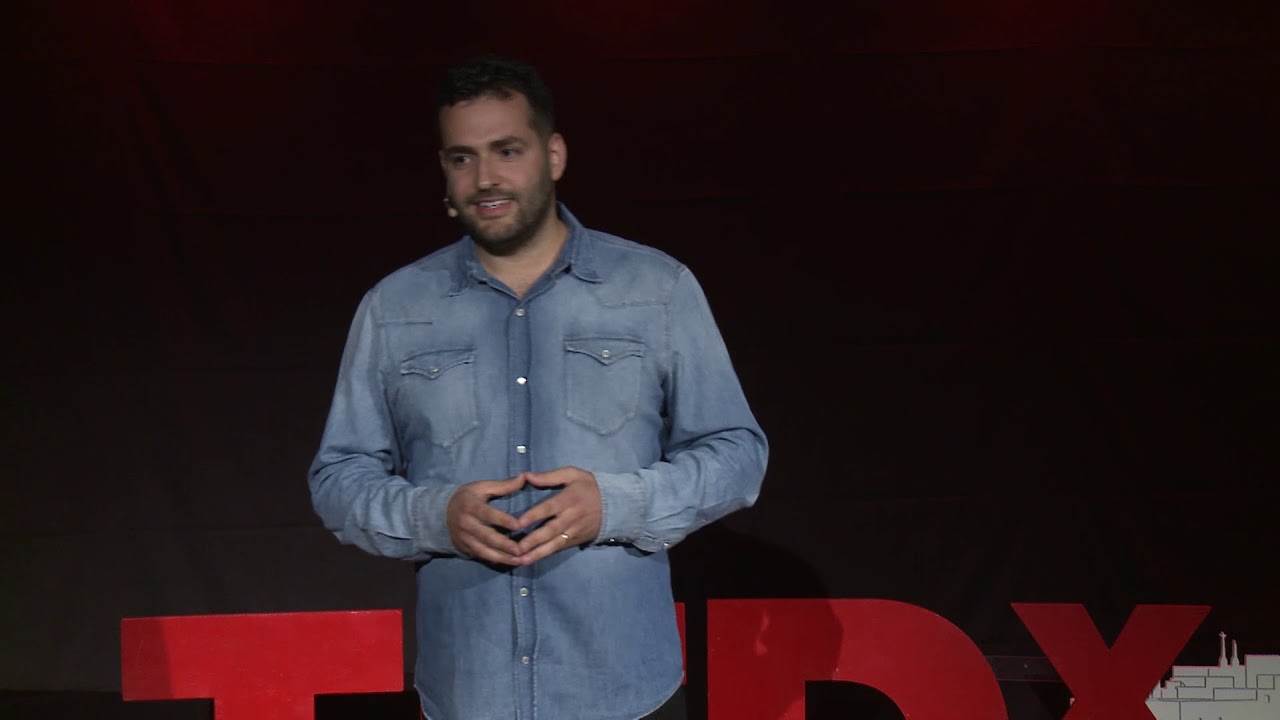
Eli Nash stood in front of a TEDxFortWayne crowd and named the one thing most men won’t say out loud in a room full of strangers.
Eli Nash is an entrepreneur and CEO, not a therapist or a pastor, which is part of why his TEDxFortWayne talk, “Escaping Porn Addiction,” landed the way it did. He didn’t come armed with clinical jargon. He came with a story about his own conference room, his own childhood in Brooklyn, and a decade-long fight to stop watching porn.
- Nash opens the talk by recounting the moment an employee asked about his ten-year goal — he told him, flatly, that it was “to never watch porn again,” and watched the room react with shock and disgust.
- He argues pornography and sex addiction carry a unique stigma that alcohol or gambling sobriety doesn’t, pointing to Ryan White’s role in reducing HIV stigma and Aly Raisman’s influence on rabbis coming forward about childhood abuse as examples of storytelling breaking silence.
- Nash traces his addiction back to being sexually abused at age eight by an older neighborhood boy he trusted, growing up as one of nine children in an Orthodox Jewish community in Brooklyn — trauma he says escalated from print catalogues into compulsive internet porn use and infidelity.
The Conference Room Moment
Nash frames the entire talk around a single exchange. An employee, making conversation, asked him what his goal was for the next ten years. Instead of talking revenue or growth targets, Nash looked the guy in the eye and said his number one objective was to never watch porn again. He describes the employee’s face changing in real time — shock, judgment, something close to disgust — and uses that reaction as the thesis of his talk: people will applaud you for quitting drinking, but say the word “porn” in a business setting and the room goes cold.
That gap, Nash argues, is exactly why so many people stay stuck. Someone who’s five years sober from alcohol can mention it at a dinner party and get a nod of respect. Someone fighting the same compulsive pull toward pornography learns fast to keep it buried, which is its own kind of trap — a subject explored further in On Jordan Peterson & The Hidden Epidemic.
Naming the Trauma
Nash doesn’t treat his addiction as something that appeared out of nowhere. He was raised as one of nine children in an Orthodox Jewish community in Brooklyn, and at age eight he was sexually abused by an older boy in the neighborhood — someone he trusted. He describes the aftermath as isolation, fear, and a kind of emotional disconnection that followed him into adulthood, long before it ever showed up as a habit involving a screen.
The addiction itself didn’t start with the internet. Nash says it began with print catalogues, then migrated online as access got easier and the material got more extreme, eventually contributing to infidelity in his adult relationships. That arc — physical media escalating into round-the-clock digital access — tracks with broader patterns discussed in How the Evolution of Porn Changed Adolescence, where easier access is repeatedly tied to compulsive use starting earlier and running deeper.
His number one goal for the next ten years: “to never watch porn again.”
Storytelling as the Cure for Shame
Nash’s central argument isn’t really about willpower — it’s about silence. He points to Ryan White, whose public fight with HIV in the 1980s reshaped how Americans understood the disease and stripped away layers of stigma simply by putting a face and a name to it. He does the same with Aly Raisman, whose public account of abuse gave cover to rabbis in Orthodox communities to come forward about childhood abuse they’d carried quietly for years.
His point: shame survives in silence and dies the moment someone says the specific, ugly thing out loud. Nash applies that directly to himself — naming the abuse at eight years old, naming the catalogues, naming the infidelity — as the only way he found to actually move through it rather than just manage it privately.
Reasons Behind His Persistent Commentary
Nash isn’t presenting himself as fully healed and finished. He’s presenting the ten-year goal itself as proof that this is ongoing work, not a box he checked once and closed. His argument to the TEDxFortWayne audience is that recovery from this specific addiction depends on people being willing to say the word “porn” in the same casual, unashamed tone they’d use for any other struggle — a point that lines up with the broader conversation happening around compulsive behavior and shame covered in This could be why you’re depressed or anxious | Johann Hari.
Nash closed his talk the same way he opened it — pointing back at that conference room, at the employee’s face, and at his own decision to say the uncomfortable thing anyway. That’s the whole pitch: not a program, not a checklist, just the willingness to name it in a room that would rather you didn’t.








Cecilia’s Life with Schizophrenia (Living with Hallucinations)
I Worked out like Chris Hemsworth for 30 Days
How Cycling Can Boost Your Mental Health
Global Health Crisis Fears as Malaria Parasite in Southeast Asia Develops Drug Resistance
Are You Drinking Enough Water?