

 InfoSearched
For fifteen years, doctors told Selma Blair her symptoms were stress. They were wrong.
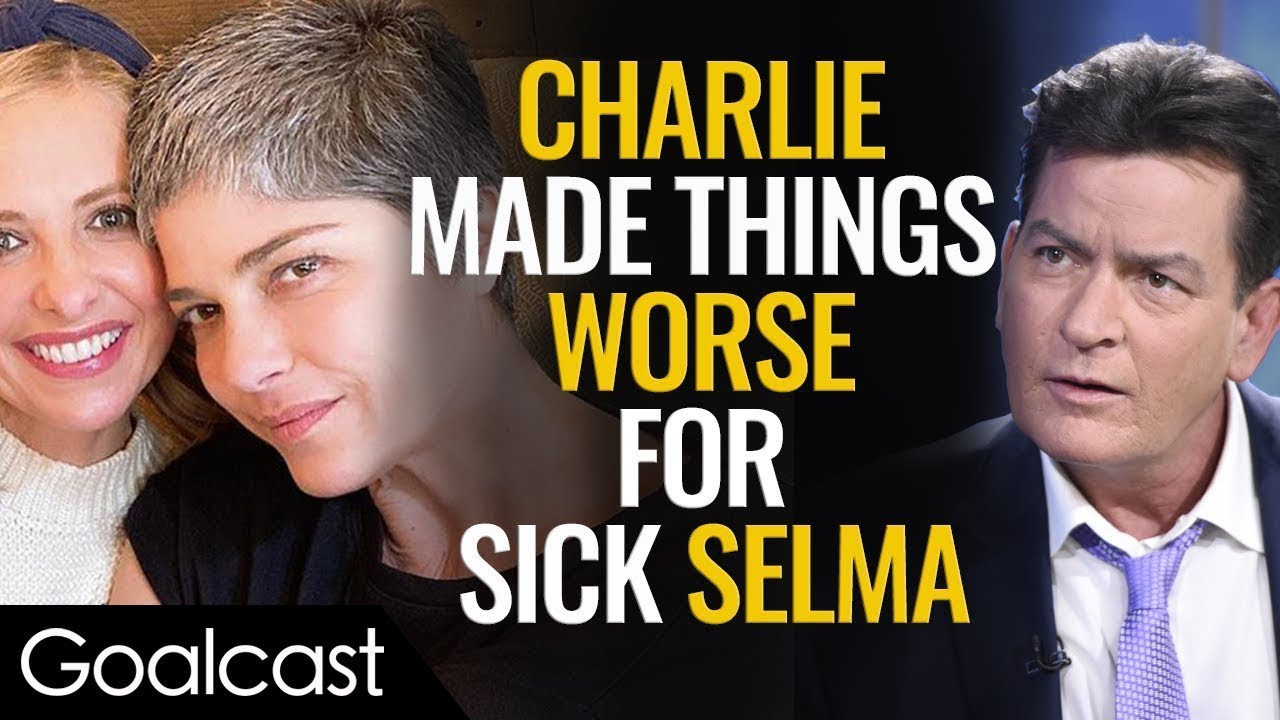
Selma Blair spent over a decade dealing with unexplained fatigue, numbness, muscle spasms, and speech trouble before anyone gave her an answer that made sense. In October 2018, the actress went on Instagram and told the world what that answer was: multiple sclerosis, a chronic autoimmune disease that attacks the central nervous system. Goalcast’s Life Stories tells her story as one of a woman who refused to let a life-altering diagnosis end her career or her role as a mother.
- Blair announced her MS diagnosis on Instagram in October 2018, revealing she’d first been diagnosed that August after roughly 15 years of unexplained neurological symptoms.
- She walked the 2019 Vanity Fair Oscar Party red carpet using a custom cane, visibly showing her spasmodic dysphoria and mobility struggles rather than hiding them.
- In 2019, facing aggressive disease progression, Blair underwent high-dose chemotherapy paired with a hematopoietic stem cell transplant (HSCT) to reset her immune system.
Fifteen Years Without an Answer
Before the world knew Selma Blair as an MS advocate, it knew her as the actress from Cruel Intentions, Legally Blonde, and Hellboy. What audiences didn’t see was the slow accumulation of symptoms she was living through off-camera — the balance problems, the numbness, the spasms in her limbs, the moments her speech would slur without warning. According to her own account, this went on for close to 15 years before a doctor connected the dots.
The diagnosis came in August 2018, and Blair chose not to keep it private. Two months later, she posted the news on Instagram herself, laying out the disease in plain terms for her followers rather than letting tabloids define the story first.
Going Public on the Red Carpet
Rather than retreat from public life, Blair used her visibility to change how disability is seen. At the 2019 Vanity Fair Oscar Party, she walked the red carpet with a custom cane, her spasmodic dysphoria and unsteady gait on full display in front of cameras that usually only capture polish.
She walked the red carpet using a custom cane, openly showing the spasmodic dysphoria and mobility difficulties that came with her MS — refusing to hide the disease behind the usual red-carpet gloss.
That decision resonated far beyond Hollywood. For a community of people managing chronic illness largely out of public view, seeing a recognizable actress own her symptoms in front of photographers carried real weight — a point echoed in coverage like Hydrotherapy: Overcoming a life changing illness through wild swimming, which follows a similar arc of turning private struggle into public advocacy.
The Stem Cell Transplant
By 2019, Blair’s MS had progressed aggressively enough that she pursued one of the most intensive treatments available: high-dose chemotherapy combined with a hematopoietic stem cell transplant, designed to wipe out and then rebuild her immune system. It’s an option typically reserved for patients whose disease isn’t responding to standard therapies, and it comes with serious physical toll on top of the chemo itself.
Through all of it, Blair kept raising her son, Arthur, and kept working — proof, as Goalcast frames it, that a diagnosis doesn’t have to mean the end of a career or a life built around it. Anyone managing chronic disease while trying to hold onto normal routines will recognize the balance she was fighting for, something also explored in Schizophrenic in 2020 (Coping with the Chaos).
Turning Diagnosis Into Advocacy
Blair didn’t stop at one Instagram post. She kept talking about MS in interviews, kept sharing updates on treatment and recovery, and became one of the more visible faces pushing for MS research funding and public understanding of the disease. That openness is what Goalcast’s video zeroes in on — not just the diagnosis, but the choice to keep showing up publicly with it, cane and all.
What happens next for Blair, medically, wasn’t public as of mid-2020 — the HSCT process itself takes months to gauge results. But the red carpet appearance and the stem cell transplant already did what she seemed to want them to do: put a recognizable face on a disease most people only know from a diagnosis line in a medical pamphlet.









Tony Horton’s Insane Home Gym Tour
WHY I RUN
“Something Very Important Happens at 03:30 am”
Jamie Oliver’s principles for superb salads
The Six Minute HIIT and Abs Workout