

 InfoSearched
Fifteen days, zero equipment, one straightforward goal: burn fat without ever leaving the living room.
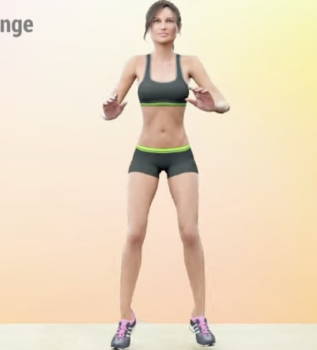
Roberta’s Gym built its “15-Day Weight Loss Challenge: Home Workout” video around a simple premise — you don’t need a barbell rack or a gym membership to sweat through a real fat-loss program. The session is a follow-along calisthenics routine, filmed for viewers to mirror move-for-move, using nothing but body weight and floor space. It’s designed to be repeated daily across two weeks, building toward visible results by the end of the cycle.
- The routine relies entirely on body-weight exercises — no dumbbells, bands, or machines required.
- Movements are structured in repeated intervals and sets so participants can lock into a rhythm and clean up their form as the days progress.
- It’s built as a daily commitment across a fixed 15-day window, aimed at full-body fat loss and improved endurance rather than a single spot-reduction trick.
The Structure Behind the Challenge
Roberta’s Gym didn’t design this as a one-off sweat session — it’s a program meant to be run day after day for 15 straight days. The interval-and-set format is the backbone: the same core movements recur across the routine, which lets viewers stop thinking about what’s next and focus on execution. That repetition is intentional. Nailing form on rep 40 of a squat pattern matters more for long-term results than rep 3, and a structured, repeatable session is what makes that possible without a trainer standing over your shoulder.
The channel’s pitch is accessibility over intensity. There’s no equipment list, no gym commute, no excuse tied to cost or access — just a mat-sized patch of floor and a phone or laptop propped up to follow along. That’s the same logic behind other equipment-free programs like this seven-minute home workout, which trades gear for tightly packed intervals.
Bodyweight Training Provides Effective Results
Calisthenics-based fat loss works on the same principle as any other calorie-deficit strategy: elevate the heart rate, recruit large muscle groups, and keep the body working across sustained sets rather than isolated, rested lifts. Full-body movement patterns — squats, lunges, push-ups, core work — hit multiple muscle groups at once, which is exactly why body-weight circuits are a staple in HIIT-style routines built for fat loss rather than pure strength.
No equipment, no excuses — just 15 days of consistent, follow-along reps.
That’s the throughline of the Roberta’s Gym approach: consistency beats intensity spikes. A single brutal workout burns calories for a day; fifteen straight days of a repeatable circuit changes metabolic rate and conditioning over time. It’s the same reasoning behind routines like the 10 HIIT exercises built to target belly fat faster, where the interval structure — not any single move — is what drives results.
Realistic Expectations for Fifteen Days
Two weeks isn’t long enough to remake a physique, and the video doesn’t pretend otherwise — it’s framed around visible fat loss and increased vitality, not a transformation photo. That’s a realistic target: better endurance, tighter conditioning, and a body that’s noticeably leaner around the midsection if the daily sets are actually completed rather than skipped. The public archive around the video is light on granular details — there’s no published calorie count or exact rep scheme attached to it — but the format itself, daily body-weight circuits performed consistently, is the same low-barrier model that’s worked for viewers of similarly structured at-home programs.
Consistency is the entire bet here. Fifteen days of a repeatable body-weight circuit, done at home with zero equipment, is a low-cost way to test whether a daily habit sticks — and whether it sticks past day 15 is really the only number that matters once the challenge itself is over.






Sterling K. Brown Explains His “No Gym” Workout
Is This Cheating? “Little Known” Biohacks That Will Make You Superhuman
4 Healthy Oatmeal Recipes
Interview: Catatonic Schizophrenic
Learning to Enjoy Being Alone is a Superpower