

 InfoSearched
A 2,300-year-old parable about a doomed diplomatic mission holds the original blueprint for the “mental detox.”
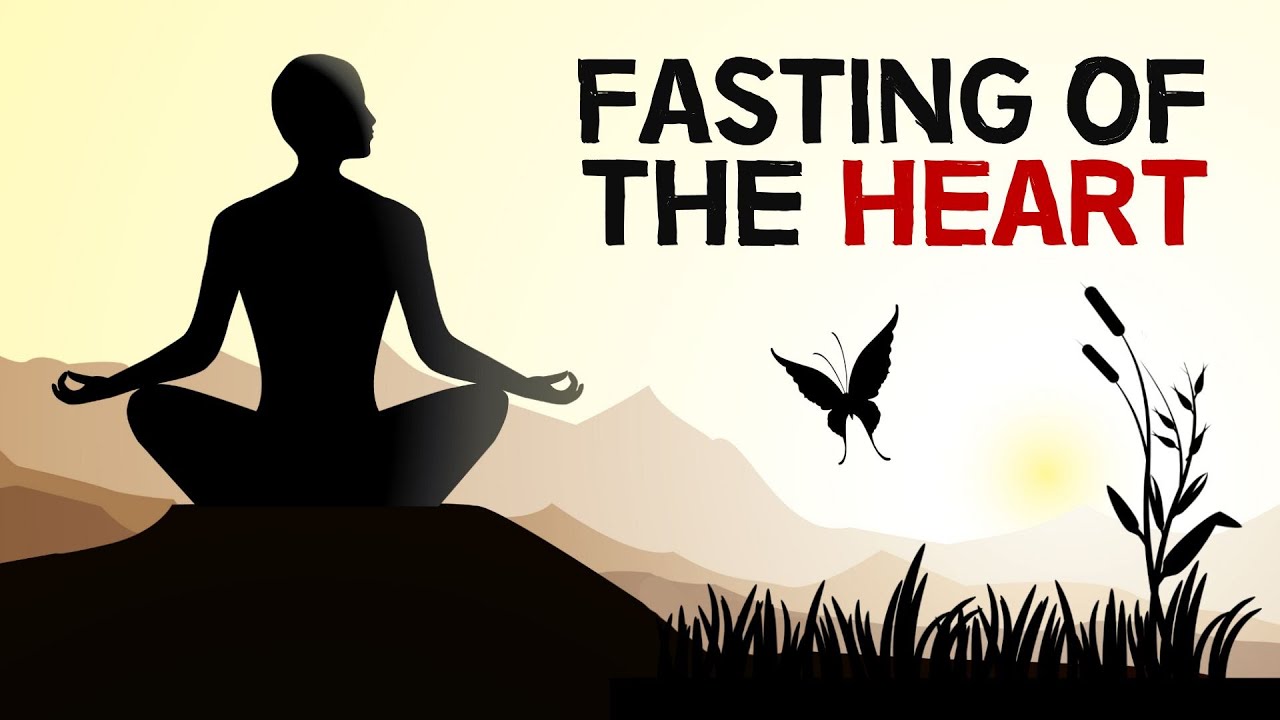
Long before dopamine fasts and digital detoxes became a wellness trend, the Taoist tradition had already worked out a method for quieting an overactive mind. The video “TAOISM | The Fasting of the Heart,” from the philosophy channel Einzelgänger, traces that method back to Chapter 4 of the Zhuangzi, a text traditionally dated to the 4th century BCE, where a story about a disciple named Yen Hui lays out a practice the Chinese call xinzhai, or “fasting of the heart.”
- The teaching comes from Chapter 4 of the Zhuangzi, titled “Worldly Business Among Men,” structured as a dialogue between Confucius and his disciple Yen Hui.
- Yen Hui is preparing to counsel a tyrannical ruler, and Confucius rejects both dietary abstinence and rational scheming as adequate preparation for the danger ahead.
- Confucius instead prescribes xinzhai: ceasing to listen with the physical ears or the analytical mind (xin) and instead listening with vital breath and energy (qi).
The Dialogue Behind the Practice
In the Zhuangzi‘s account, Yen Hui is about to walk into real danger — he’s been assigned to advise a ruler known for cruelty, the kind of mission where saying the wrong thing could get him killed. His first instinct is to prepare the way anyone trained in Confucian discipline would: sharpen his arguments, rehearse his approach, maybe restrict his diet to purify himself for the task. Confucius shuts both approaches down. Abstaining from meat and wine, he tells Yen Hui, is not fasting in any meaningful sense — it’s just a change in menu.
What Confucius offers instead is a redirection of attention itself. Stop listening with the ears, he says, and stop listening with the xin — the mind that categorizes, judges, and schemes toward outcomes. Listen instead with qi, the vital breath. It’s a deliberate downgrade of the intellect’s authority: the ears catch sound, the mind interprets and calculates, but qi simply waits, empty and receptive, without imposing itself on what it encounters.
Emptiness as the Working Mechanism
The core term in this teaching is xu, usually rendered as “emptiness” or “vacancy.” Confucius describes the disciplined mind as a room that can only hold light once it’s been cleared out — cluttered with ego, want, and constant categorization, it reflects nothing accurately. The video frames this as functionally similar to the modern “clear the mind” impulse behind dopamine fasting, except the Taoist version isn’t chasing a reset for its own sake. It’s aiming at a specific operational state: a mind so unburdened by desire and judgment that it can perceive a volatile situation — like an audience with a tyrant — without distortion.
Do not listen with your ears, but with your mind; not with your mind, but with your vital energy.
That line, attributed to Confucius in the Zhuangzi‘s dialogue, is the hinge of the entire chapter. It’s worth reading against the modern idea of qi as a cultivated force rather than a mystical abstraction — the text treats it as something a person can actually train toward, not a metaphor.
Dissolving the Border Between Self and World
Once the ego-driven noise quiets down, the Zhuangzi claims something further happens: the rigid line between “self” and “everything else” starts to soften. Sensory overstimulation and constant mental labeling are what keep a person locked inside a narrow, defensive version of themselves — stripped away, the boundary that made Yen Hui’s mission feel like a solitary, terrifying confrontation loses some of its sharpness. This is the same territory the channel covers in its companion piece on the Taoist art of not trying, where effortless alignment with circumstance — rather than forceful control of it — is treated as the more reliable path through difficulty.
The payoff Confucius promises isn’t tranquility for its own sake. A mind emptied of ego and calculation, according to the text, acts in effortless accordance with the Tao — it responds to the tyrant, or to any situation, without the friction of self-interest getting in the way first. That’s a very different aim than the ancient dietary abstinence Yen Hui originally proposed, and it’s also a different aim than a lot of modern “mental detox” framing, which tends to stop at feeling calmer rather than asking what the calm is actually for.
What makes the parable durable is that it never resolves neatly — the Zhuangzi doesn’t tell readers whether Yen Hui’s mission succeeds. The lesson sits entirely in the preparation, not the outcome, which is probably why a 2,300-year-old dialogue about advising a tyrant still gets cited in videos about dopamine fasting: the method was never really about the ruler. It was about what Yen Hui had to empty out of himself before he even knocked on the door.





Are You Drinking Enough Water?
7 MUST KNOW Meal Prep Hacks!
ARE YOU AN ALPHA? – Simon Sinek – Why Leaders Eat Last
Intermittent Fasting: Transformational Technique | Cynthia Thurlow | TEDxGreenville
At Home Bodyweight Exercises To Help Avoid Coronavirus