

 InfoSearched
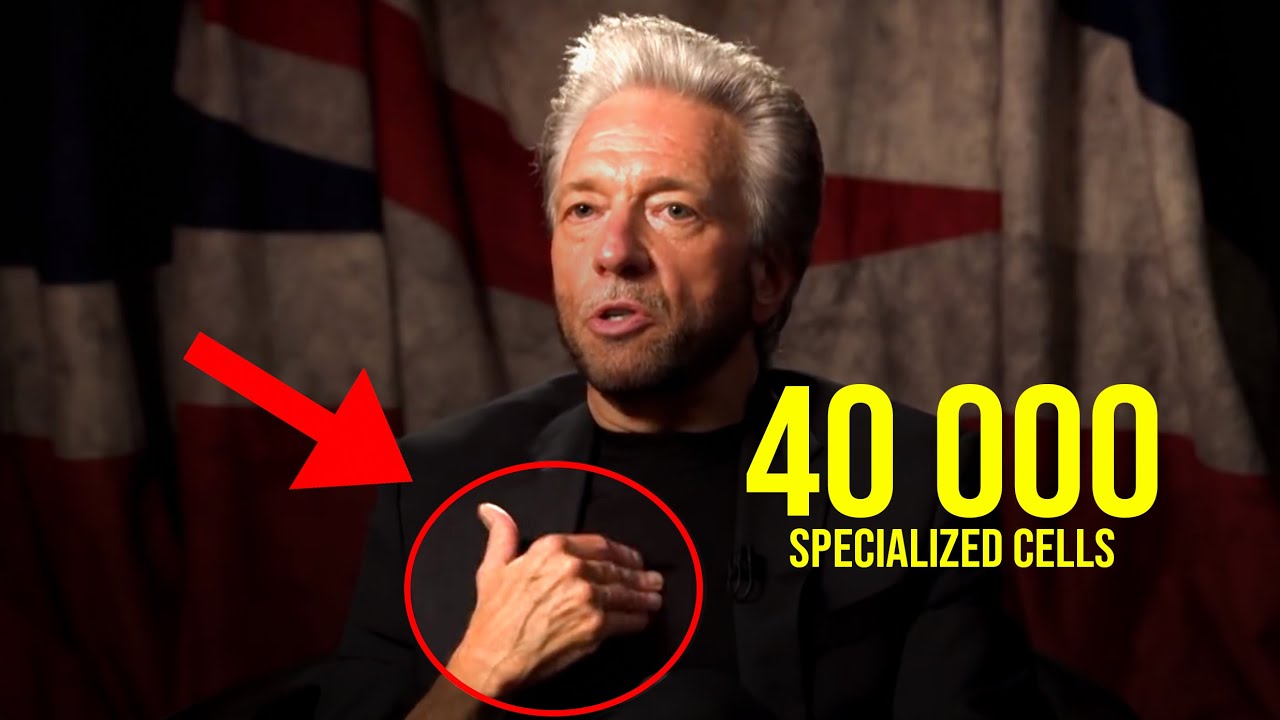
Before your next big decision, Gregg Braden says the answer isn’t in your head — it’s in your chest.
Gregg Braden, the New York Times bestselling author known for blending science with ancient spiritual practice, laid out a technique in a feature from the channel Be Inspired that he says monks and contemplative traditions have leaned on for centuries. The method has nothing to do with pro-con lists or endless deliberation. It’s about physically shifting your attention out of your head and into your heart before you ask the question that’s been keeping you up at night.
- Braden’s technique requires slowing the breath, deliberately releasing physical tension, and moving awareness away from the brain and directly into the heart.
- Once centered, the practitioner poses a single, clear question about the decision at hand rather than debating the options.
- Braden frames the payoff as “heart-brain coherence” — a state where immediate physical sensations and emotional impressions surface as a more reliable guide than anxious overthinking.
The Case Against the Overthinking Mind
Braden’s starting point is a familiar complaint: the analytical mind, left to run unchecked on a hard choice, tends to spiral. It debates, doubts, revisits the same two options a dozen times, and often ends in paralysis rather than a decision. He argues that’s not a personal failing — it’s simply what the logical mind does when it’s asked to resolve something it wasn’t built to resolve alone.
That’s the contrast he draws between the brain’s default mode and what he calls heart intelligence. Instead of adding more analysis to an already overloaded process, his technique asks a person to step back from the mental noise entirely and let a different kind of signal come through.
The Technique, Step by Step
Braden’s method starts with the body. Slow the breathing down. Consciously release tension — shoulders, jaw, hands, wherever it’s held. Then, rather than staying fixated on the problem from the head, shift attention downward and hold it at the heart.
From that centered state, the person asks a single, specific question about the decision they’re facing. The instruction isn’t to answer it logically. It’s to stay open and notice whatever comes — a physical sensation, a flicker of emotion, a felt sense of yes or no — without immediately trying to explain or justify it.
“Monks do this all the time” — Braden’s framing for why this isn’t a new-age gimmick, but a technique with a long lineage in contemplative practice.
The Importance of Heart-Brain Coherence
Central to Braden’s pitch is the idea of heart-brain coherence — a state in which the signals coming from the heart and the patterns of the brain are working in sync rather than in conflict. He presents this coherence as the reason the technique produces clarity where straight analysis produces static: the body registers a kind of truth before the analytical mind has finished arguing with itself.
That framing lines up with a broader theme running through Braden’s work and appearances, echoed in pieces like How To Eliminate Self Doubt Forever & The Power of Your Unconscious Mind — that the unconscious and the body carry information the conscious mind routinely overrides. Braden’s version simply gives that idea a concrete, repeatable procedure: breathe, release, drop into the heart, ask, then listen.
A Practice With Old Roots
Braden is explicit that he didn’t invent this. He points to monastic and spiritual traditions that have used variations of this centering practice long before “heart intelligence” became a phrase researchers and speakers use in a secular context. The breathing, the release of tension, and the redirection of attention away from restless mental chatter are recognizable to anyone familiar with meditative disciplines — the difference in Braden’s presentation is the explicit application to decision-making, rather than general stillness or prayer.
That lineage is part of why he frames the technique as trustworthy rather than trendy. It’s not a hack he’s marketing — it’s an old tool he’s translating for people stuck on a decision they can’t seem to think their way through.
Putting It to Use
The instructions Braden gives are simple enough to try in the middle of an ordinary day: slow down, physically release tension, ask one clear question, and pay attention to what the body offers back before the mind starts arguing with it. He’s not asking anyone to abandon logic altogether — just to stop letting it run the entire show when fear and doubt are the ones actually steering.
Braden’s closing point is the practical one: the next time a decision has you circling the same two options for the tenth time, his advice isn’t to think harder — it’s to breathe slower, drop the attention into the chest, ask the question once, and notice what the body says before the mind gets a chance to argue with it.



Gordon Is Blown Away By Small Indian Restaurants Performance & Food | Ramsay’s Best Restaurant
How craving attention makes you less creative | Joseph Gordon-Levitt
10 Signs Your Kidneys Are In Trouble
Healthy Vegan School Lunch Ideas – BENTO BOX
The Ego Is Betraying You From Being Your Genuine Self