

 InfoSearched
A childhood asthma diagnosis turned into a lifetime obsession with the road.
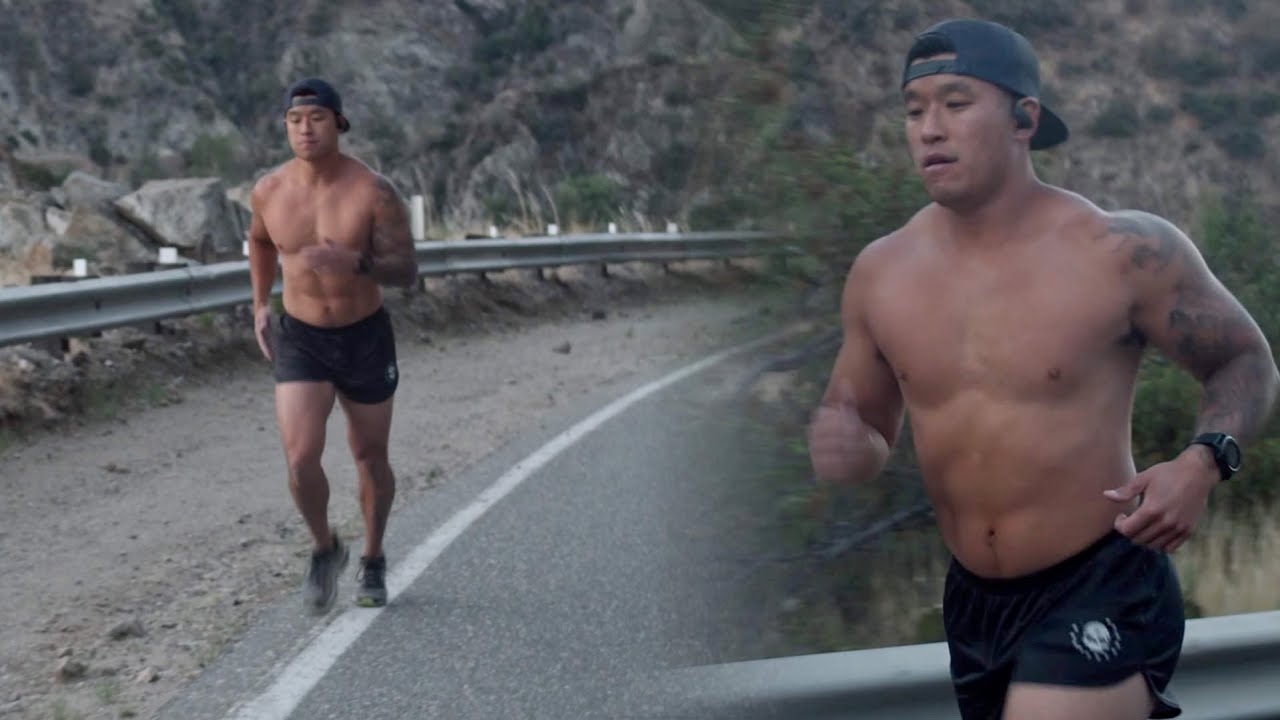
Bart Kwan, the co-founder of Barbell Brigade, doesn’t frame running as a trendy cardio add-on he picked up in a gym one day. In his video “WHY I RUN,” he traces it back to a doctor’s office when he was six or seven years old, and to a mother who treated a medical diagnosis with a pair of running shoes instead of a prescription pad. What started as forced treatment for a chronic condition became the backbone of his training philosophy decades later.
- Kwan was diagnosed with childhood asthma around age six or seven.
- His mother had him start running as a direct, proactive remedy to build lung capacity and fight the condition.
- The mandatory intervention evolved into a lifelong endurance practice that shaped the training approach he now teaches through Barbell Brigade.
A Diagnosis That Changed the Plan
Kwan describes the asthma diagnosis as the starting point of everything, not a footnote. At an age when most kids are worried about recess, he was dealing with a respiratory condition that limited how hard and how long he could push his body. His mother didn’t treat it passively — she went after it with a specific physical intervention, betting that building his lungs through repeated aerobic stress would do more for him long-term than sitting on the sidelines.
Running as the Prescribed Remedy
Rather than let the diagnosis dictate limits, Kwan’s mother insisted he run regularly as a way to directly build lung capacity and combat the illness. It wasn’t framed as exercise for fun. It was framed as treatment — something closer to physical therapy than a workout routine, with the running mileage serving the same purpose a doctor’s regimen would for any other condition.
Six or seven years old, an asthma diagnosis, and a mother who prescribed running instead of the sidelines.
From Mandatory Chore to Genuine Passion
The turn in Kwan’s story is that the running never stopped once the asthma was under control. What began as a mandated fix for a medical problem became something he chose to keep doing, and eventually something he built an identity around. That shift — from forced cardio to voluntary endurance training — is the throughline of the video and the reason he frames running as formative rather than incidental to who he became athletically.
Influences on the Barbell Brigade Approach
Kwan’s endurance background now sits underneath the training philosophy he coaches through Barbell Brigade, where conditioning and cardiovascular work get treated with the same seriousness as strength numbers. It’s the same logic behind mixing structured cardio blocks, like the kind covered in 10 HIIT Exercises to Lose Belly Fat FASTER, into a program that’s mostly built around lifting — conditioning isn’t an afterthought, it’s foundational. For people looking to build that same base without a gym, the same principle shows up in a quick session like INSANE 7 MINUTE AT HOME WORKOUT, where short, repeatable cardio effort does the heavy lifting.
What sticks from Kwan’s story isn’t a training hack, it’s the sequence: a kid gets told his lungs don’t work right, his mom hands him running shoes anyway, and thirty-some years later he’s still lacing up before every Barbell Brigade session because that habit never had an off-switch.









Choose Your Sacrifice – Jordan Peterson’s Best Advice to Young Adults
Is This Cheating? “Little Known” Biohacks That Will Make You Superhuman
How to Lose Weight and Get More Energy in 15 Days
You Will Never Be Lazy Again
How To Remember Everything You Learn