

 InfoSearched
Rice is not the reason Japan stays thin — the whole plate is.
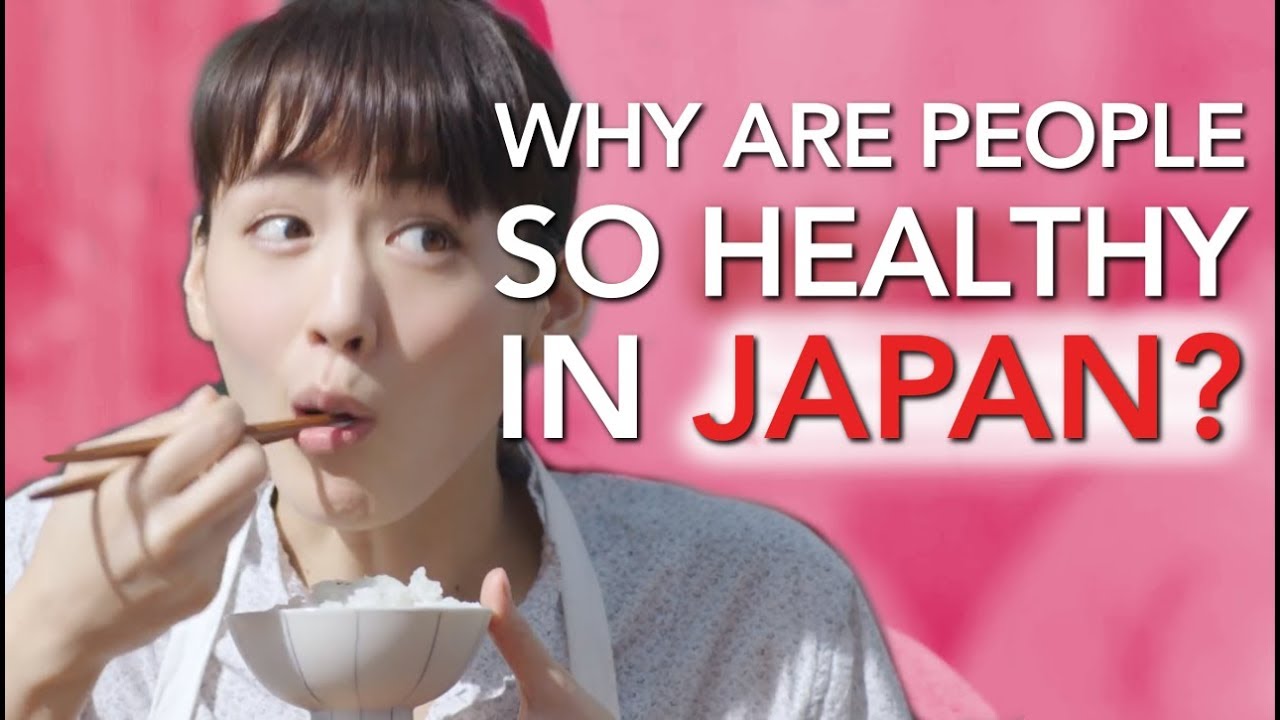
Joseph Everett spends a lot of his time on YouTube arguing with commenters, and one argument kept resurfacing: if carbs make you fat, why isn’t Japan, a nation built on rice, drowning in obesity? In his video essay “Why are people so Healthy in Japan?”, the American expat and creator of the channel What I’ve Learned takes that gotcha apart piece by piece, using his own life in Japan as the case study.
- Everett directly counters the “Japan eats rice and stays thin, so low-carb is wrong” argument by pointing to the structure of the meal itself, not the rice bowl in isolation.
- He breaks down ichijū-sansai — “one soup, three dishes” — the traditional format pairing steamed rice with a soup like miso and three smaller side dishes of vegetables, fish, or soy proteins such as tofu and nattō.
- He cites hara hachi bu, the cultural habit of eating until only 80 percent full, plus the general absence of between-meal snacking, as key portion-control drivers separate from macronutrients.
The Ichijū-Sansai Framework
Everett’s central point is that nobody in Japan eats a mountain of white rice as a standalone meal. The ichijū-sansai structure spreads calories across a bowl of rice, a hot broth-based soup, and three modest side dishes — usually some combination of pickled or steamed vegetables, grilled fish, and soy-based proteins like tofu or nattō. That structure caps total calorie density while still filling the stomach with volume, largely through water-heavy broths and vegetables rather than dense starch.
He contrasts this with the American plate, where a protein and a starch dominate and vegetables are often an afterthought. It’s not that Japan skips carbs — it’s that the carbs arrive boxed in by fiber, fermented foods, and lean protein, rather than stacked on top of fried, sugared, or ultra-processed extras.
Whole Foods Over Refined Sugar
The video’s sharper argument is about what Japanese meals leave out. Everett notes that traditional Japanese cooking relies on minimally processed, whole ingredients, and that sugar density and total calorie load in a typical meal run well below what’s standard in American fare. Gut-friendly staples like nattō and miso, both fermented soy products, show up constantly, giving meals a nutrient profile that Western convenience food rarely matches.
It’s not “high carb” versus “low carb” — it’s whole food versus processed food, and Japan just happens to build its whole-food culture around rice.
That framing matters for anyone following the low-carb debate closely — a topic covered elsewhere in pieces like Why One Meal A Day Is Good For You, which similarly argues that meal structure and timing can matter as much as macronutrient ratios.
Portion Discipline Without Counting Calories
Everett leans hard on hara hachi bu — stopping at roughly 80 percent full — as a built-in check against overeating that doesn’t require an app or a food scale. Combined with a cultural norm against grazing between meals, it keeps daily intake naturally lower without anyone consciously restricting. He frames this as a social habit rather than a diet rule, something absorbed growing up rather than adopted as a program.
Walking as the Default, Not the Exception
The other half of Everett’s explanation has nothing to do with food. He points to Japan’s pedestrian-first daily life — trains, subways, and walkable neighborhoods — as a stark contrast to car-dependent American routines where a trip to the store rarely involves a single step outdoors. That ambient daily walking, stacked on top of the ichijū-sansai eating pattern, is what Everett says produces Japan’s health outcomes: not one macronutrient trick, but an entire food and movement environment working together.
Everett’s takeaway isn’t a call to swap out carbs — it’s that the “rice proves low-carb wrong” argument misses the plate entirely. A bowl of white rice sitting next to miso soup, grilled fish, and a side of nattō, eaten to 80 percent full, is a different meal than a mountain of rice eaten alone, and that difference is the whole video.





Gordon Is Blown Away By Small Indian Restaurants Performance & Food | Ramsay’s Best Restaurant
EASY HEALTHY BREAKFAST IDEAS (+ quick pancakes)
How To Master 5 Basic Cooking Skills – Gordon Ramsay
20 Fat Burning Foods (That Taste AMAZING!)
Benefits of Not Ejaculating for 30 Days – (Explained In Depth)