

 InfoSearched
Harvard Medical School wants you to imagine a version of medicine where getting sick is the exception, not the rule.
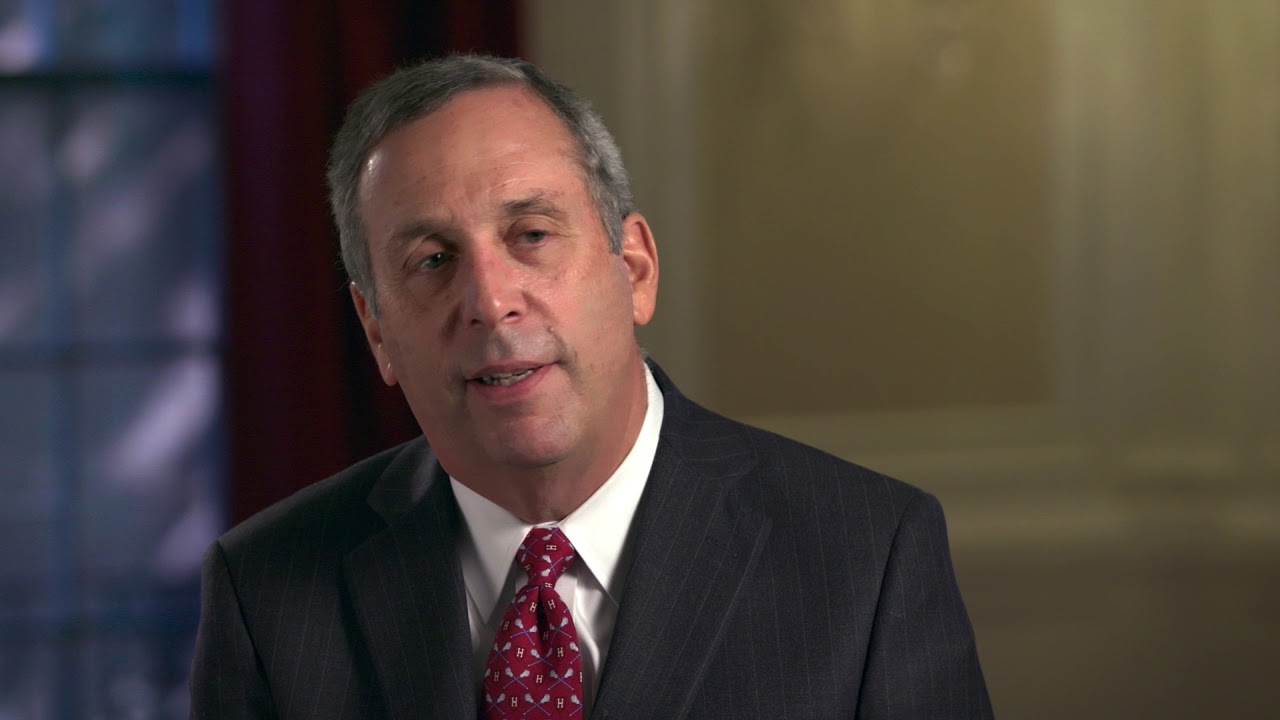
In early October 2018, Harvard Medical School released an institutional video called “The Future of Medicine,” built around a life sciences showcase meant to lay out where the school believes healthcare is headed next. Rather than a lab tour or a single breakthrough announcement, the video is a framing exercise — two of Harvard’s top leaders speaking directly to viewers about what medicine could look like once genetics, computing power, and clinical practice actually work together instead of in separate silos.
- The video was released alongside an event highlighting Harvard’s life sciences initiatives in early October 2018.
- It features Harvard Medical School Dean George Q. Daley and Harvard University President Larry Bacow, who ask viewers to envision a future where good health is taken for granted and illness is intercepted before it starts.
- Its core themes are personalized medicine tailored to a patient’s genetic profile and the use of artificial intelligence and machine learning to analyze large biological datasets.
The Pitch From Daley and Bacow
George Q. Daley, who leads Harvard Medical School, and Larry Bacow, Harvard’s president, are the two voices driving the presentation. Their ask of the audience is simple on its face and ambitious underneath it: picture a world where staying healthy is the default expectation rather than the exception, and where disease gets caught and stopped before a patient ever feels a symptom.
A future where good health is taken for granted and illness is intercepted before it starts.
That line functions as the thesis of the entire video. It’s not framed as a distant sci-fi promise — it’s presented as the working goal of Harvard’s life sciences community across its network of teaching hospitals and research institutes, the same ecosystem covered in ongoing health news coverage of academic medicine’s push toward earlier intervention.
Personalized Medicine as the Starting Point
The first pillar the video builds around is personalized medicine — using an individual’s genetic profile to shape both diagnosis and treatment instead of applying a one-size-fits-all protocol. The idea is that two patients with the same disease label could receive very different regimens once their genetic and molecular differences are accounted for, sharpening accuracy and cutting down on trial-and-error prescribing.
This isn’t presented as a standalone lab curiosity. The video ties it directly to Harvard’s teaching hospitals, framing genetic-profile-driven treatment as something meant to move from bench research into actual clinical care rather than stay confined to journal papers. It’s a theme that echoes broader academic reporting on longevity and aging science, including work like the aging research coming out of Harvard’s own faculty.
AI and Machine Learning Enter the Clinic
The second major theme is computational: artificial intelligence and machine learning applied to the flood of biological data modern medicine now generates. According to the presentation, these tools are being positioned to help researchers and clinicians analyze massive datasets — genomic, imaging, clinical — at a scale no human team could process manually, then surface patterns that inform diagnosis and treatment decisions.
Again, the video avoids treating AI as a gadget bolted onto existing practice. It’s framed as infrastructure that supports the personalized medicine goal above it — the genetic profiling only becomes useful at scale if machine learning can actually parse the data fast enough to act on it.
The Collaborative Ecosystem Behind the Message
What ties both themes together in the video is Harvard’s insistence that none of this works in isolation. The presentation leans on the idea of a collaborative ecosystem — researchers, clinicians, and educators across Harvard’s teaching hospitals and research institutes — as the actual engine that turns fundamental discovery into real-world clinical care and next-generation therapeutics.
That’s also where medical education fits into the pitch. Daley and Bacow frame training the next generation of physicians and scientists as part of the same pipeline as the lab discoveries themselves, arguing that transforming healthcare delivery globally requires changing how doctors are taught alongside how they’re equipped.
The video doesn’t name a specific drug, device, or trial result — it’s a statement of institutional direction, not a product announcement. What it does make clear is where Harvard Medical School wants its next round of investment and hiring to point: genetics-driven diagnostics, machine learning infrastructure, and the teaching hospitals that turn both into something a patient actually experiences.



Why Sitting Down Destroys You
1 YEAR Of Weight Gain (With Results!)
Tony Horton’s Insane Home Gym Tour
Casually Explained: Being Healthy
Healthy Breakfast Ideas for Kids