

 InfoSearched
A Navy SEAL says the last thirty seconds of your shower matter more than the first ten minutes.
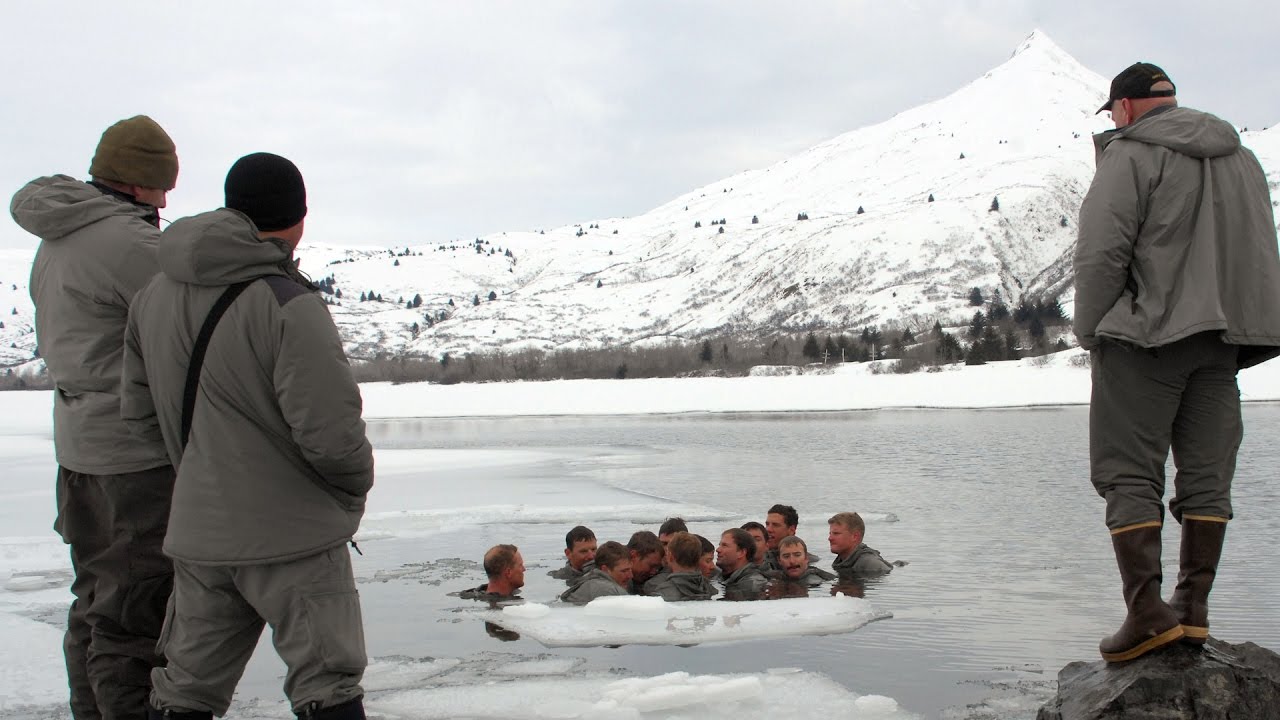
Clint Emerson spent years training in the Pacific Ocean’s freezing surf as part of BUD/S, the grueling pipeline that turns recruits into Navy SEALs. In a Business Insider video, the retired SEAL and author of “100 Deadly Skills: The SEAL Operative’s Guide to Eluding Pursuers, Evading Capture, and Surviving Any Dangerous Situation” explains why he still finishes every shower with a blast of cold water — and why the habit isn’t just a tough-guy ritual.
- Emerson spent extensive stretches submerged in the frigid Pacific during BUD/S training, an experience he calls “torture” that doubled as “therapy” for his body.
- He describes cold water exposure as a form of cryotherapy that constricts blood vessels, cuts inflammation, and eases soreness in joints and muscles.
- His recommended technique doesn’t require an ice bath: take a normal hot shower, then switch to full cold water just for the final stretch.
The BUD/S Connection
Anyone who’s watched footage of BUD/S training has seen the surf torture segments — recruits locked arm-in-arm in the Pacific surf zone while instructors bark at them to hold the line. Emerson lived that reality, and he’s candid that it felt brutal in the moment. But he frames the freezing immersion as something the body actually needed, not just an obstacle SEAL candidates had to survive.
That reframing is the core of his pitch to civilians: the same cold exposure that instructors used to test recruits’ mental toughness also happens to be doing quiet physiological work under the surface.
Cryotherapy in the Shower
Emerson’s explanation leans on basic cold-therapy science that’s familiar to anyone who’s used an ice pack on a sprained ankle. Cold water constricts blood vessels, which limits swelling and calms inflamed tissue. For SEAL candidates running on little sleep and constant physical strain, that constriction effect became a built-in recovery tool they didn’t have to seek out separately.
He connects this directly to joint and muscle soreness, arguing that the cold exposure sped up his body’s ability to bounce back from one grueling training evolution to the next.
“That cold water is therapy. Even though it was torture, it’s therapy so that it keeps you healthy, keeps your joints and inflammation down, and allows you to keep moving forward.”
Circulation and the Wake-Up Effect
Beyond recovery, Emerson points to an immediate effect: cold water forces blood flow back toward the body’s core organs, which he says acts as a jolt to the nervous system. It’s the same reason splashing cold water on your face snaps you awake — except applied to the whole body at the end of a shower.
That circulation boost pairs with the anti-inflammatory piece, giving cold exposure a dual role — waking the body up in the short term while helping it recover in the longer term. Readers looking for other ways to support circulation and recovery outside the shower can look at approaches like HIIT-style training, which relies on similar blood-flow principles.
A Technique Anyone Can Try
Emerson isn’t asking anyone to replicate BUD/S surf torture in their bathroom. His actual advice is far more modest: take your shower the way you normally would, hot water and all, and only switch to full cold for the last portion before you step out. That’s enough, he says, to get the constriction and circulation benefits without turning the whole routine into an endurance test.
It’s the kind of low-cost, low-effort adjustment that fits alongside other simple daily habits people use to manage inflammation and recovery, similar in spirit to dietary tweaks covered in pieces like turmeric’s anti-inflammatory properties.
Emerson’s pitch is simple enough that it doesn’t require gear, a gym membership, or a plunge pool — just thirty seconds of nerve before you reach for the towel.




The Benefit of a Mental Breakdown – Joe Rogan & Duncan Trussell
Healthy Breakfast Ideas for Kids
Top 13 Probiotic Foods
12 Ways To Be Healthier
How Falling Behind Can Get You Ahead