

 InfoSearched
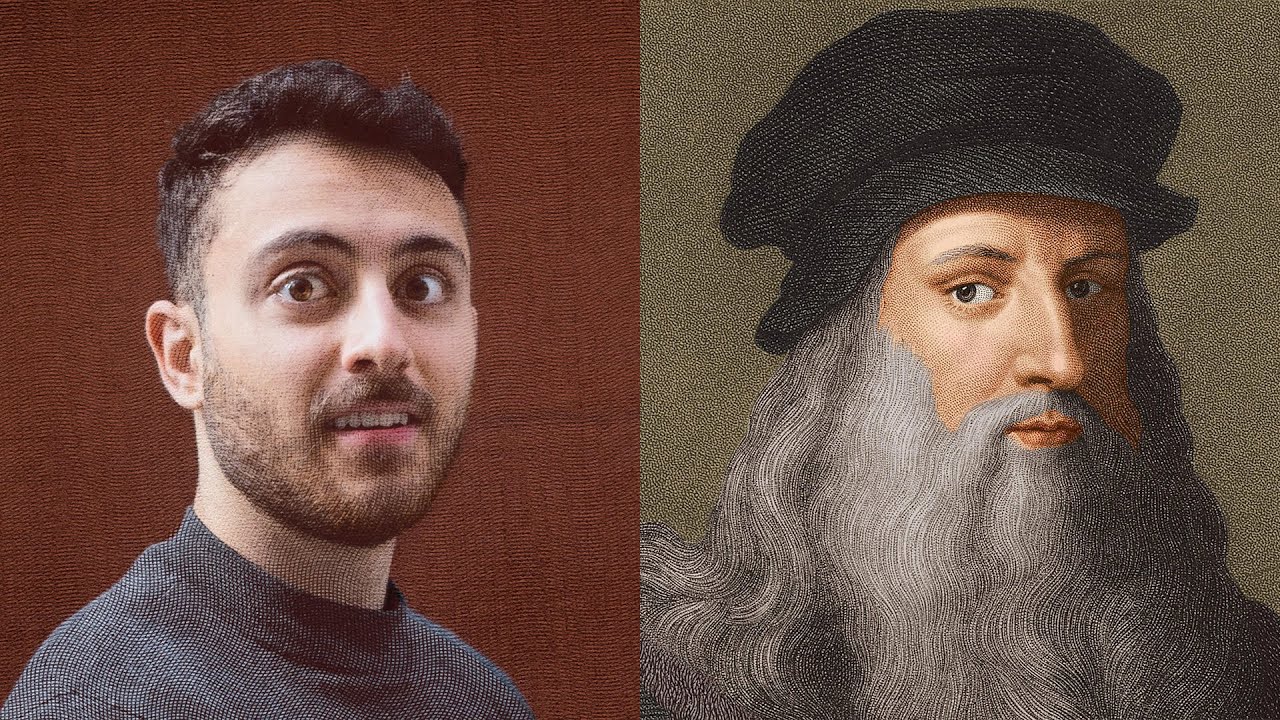
Six naps a day, zero nights of real sleep — one YouTuber’s attempt to live like Leonardo da Vinci nearly broke his brain.
Content creator Nathaniel Drew built his second “insane daily routine” experiment around a claim that’s been repeated in productivity circles for years: that Leonardo da Vinci slept in twenty-minute bursts, six times a day, totaling just two hours of rest in every twenty-four. Rather than testing the artist’s habit of rising at 5 a.m. or his diet of fruit and bread, Drew went straight for the routine’s most extreme and most disputed element — the polyphasic sleep cycle known as the Uberman schedule. He set out to find whether cutting sleep down to twelve short naps’ worth of REM could sharpen his mind, or whether it would simply wreck him.
- The schedule Drew tested calls for six 20-minute naps spaced every four hours around the clock, adding up to just two total hours of sleep per day.
- Proponents of the Uberman cycle argue the short naps let the brain jump straight into REM sleep and skip the deeper stages, preserving alertness — a theory sleep researchers say collides with well-documented evidence that severe sleep restriction degrades cognitive processing, working memory, and immune function.
- Historians note that despite the popular legend, there’s little concrete evidence da Vinci actually lived on a 2-hour polyphasic cycle.
The Uberman Cycle, Explained
The version of da Vinci’s routine Drew attempted strips out nighttime sleep entirely. Instead of one long block, the day is chopped into four-hour segments, each ending with a strict 20-minute nap — six naps total, evenly spaced whether it’s 3 a.m., 11 a.m., or 7 p.m. The appeal is obvious on paper: trade eight wasted hours in bed for two hours of naps and reclaim six extra waking hours a day, every day, indefinitely.
The catch is rigidity. Missing a nap window or letting one run long throws off the entire cycle, and the schedule doesn’t bend for meetings, social plans, or a normal body clock. Drew had to structure filming, meals, and errands around four-hour blocks that gave him no room to improvise — a constraint that anyone who’s read about falling asleep fast under pressure will recognize as a much higher-stakes version of the same problem.
Drew Tests The Practical Results
Cutting nightly sleep down to a fraction of the recommended seven to nine hours produced exactly what sleep science would predict: disorientation, heavy fatigue, and a foggy mental state that crept in fast. Drew documented the toll the naps took on his focus and mood as the days wore on, describing bouts of the kind of severe grogginess that regularly derails anyone who’s ever tried to power through on a broken night’s sleep around 3:30 a.m.
The most unsettling part wasn’t the tiredness itself — it was not being able to accurately judge how impaired he’d become. That’s consistent with what sleep researchers have long observed in severe sleep-restriction studies: subjects lose the ability to recognize their own diminished mental acuity even as their performance craters.
Believers in the cycle claim the short naps cycle straight into REM sleep — but the documented cost is measurable declines in cognitive processing, working memory, and immune regulation.
The Historical Case Against It
Da Vinci’s polyphasic legend has circulated in productivity and self-help circles for decades, often cited as proof that superhuman output requires superhuman sacrifice. But the historical record backing it up is thin. There’s no reliable primary-source documentation tying da Vinci to a rigid 20-minutes-every-four-hours schedule — the claim has largely been passed down as folklore rather than fact, which makes it a shakier foundation than the routine’s modern advocates suggest.
That gap between legend and evidence is really the whole experiment in miniature: an appealing story about genius and discipline, tested against what actually happens to a human body and brain when nighttime sleep disappears entirely.
The Cost-Benefit Nobody Talks About
Sleep researchers have spent decades studying what chronic sleep restriction does to the body, and none of it lines up with the promise of unlocked productivity. Working memory suffers first, then processing speed, then immune regulation — the exact areas someone would need intact to replicate the kind of sustained creative output da Vinci is famous for. Drew’s experience tracked that pattern rather than the folklore version, reinforcing why habits built around actually restoring the brain — like the ones covered in Nikola Tesla’s own pre-sleep routine — tend to hold up better than schedules designed to eliminate sleep altogether.
Drew’s second episode ends where these experiments always seem to: the routine looks clean in a bullet-point list and falls apart against an actual circadian rhythm. Two hours of fragmented naps a day isn’t a productivity hack da Vinci is proven to have used — it’s a sleep-deprivation study with a Renaissance name attached to it, and by his own account, Drew felt every hour of it.




8 Foods Men Should Eat Everyday (Science-Based)
4 Healthy Breakfast Ideas For Weight Loss
Robert Downey, Jr. – Don’t Chase That Thing | A Speech All Of Us Should Hear Once!
How To Never Be Boring In Conversation
At Home Bodyweight Exercises To Help Avoid Coronavirus