

 InfoSearched
Fewer than one in a hundred people who jump from the Golden Gate Bridge live to tell the story — Kevin Hines is one of them.
On September 25, 2000, a 19-year-old Kevin Hines climbed over the railing of San Francisco’s Golden Gate Bridge and let go, driven by severe bipolar disorder and auditory hallucinations that had convinced him he had to die. He fell roughly 220 feet in a four-second free fall, hitting the water at close to 75 mph. What happened in that split second — and in the years of recovery that followed — turned him into one of the most recognized voices in suicide prevention in the country.
- Hines fell 220 feet from the bridge and hit the bay at approximately 75 mph, shattering his vertebrae but surviving — he is among fewer than 1% of jumpers who live, and the only known survivor to regain full mobility.
- A sea lion kept him afloat in the water until the U.S. Coast Guard pulled him out, after which he underwent extensive spinal surgery and rehabilitation.
- He went on to write the bestselling memoir Cracked Not Broken: Surviving and Thriving After a Suicide Attempt and has won the American Foundation for Suicide Prevention’s Lifesaver of the Year Award and Mental Health America’s Clifford W. Beers Award.
The Jump and the Instant Regret
Hines had spent months hearing voices telling him he was destined to die, a symptom of the bipolar disorder that had gone undiagnosed through much of his teenage years. He took a bus to the bridge, paced back and forth for close to 40 minutes, and finally climbed over the railing while a tourist, unaware of what was happening, asked him to take a photo. Then he jumped.
He has said in interviews that the regret hit him the moment his hands left the rail — not after, not during the fall, but instantly. That reaction mattered more than almost anything else that day: mid-fall, Hines twisted his body to land feet-first instead of head-first, a split-second adjustment that shattered his vertebrae but kept him from dying on impact.
The millisecond my hands left the railing, I regretted my decision 100 percent.
Rescue in the Bay
Hines hit the water conscious and in agonizing pain, unable to move his legs. He has described a sea lion circling and bumping against him, keeping him at the surface until the Coast Guard arrived and pulled him from the bay. That rescue bought him the time doctors needed to get him into surgery for the spinal damage — the kind of catastrophic injury that, under different circumstances, would have left him paralyzed for life.
The surgery and the rehabilitation that followed were long and uncertain. Hines is the only documented Golden Gate jumper known to have regained full mobility after an injury of that severity, a fact his doctors have called extraordinary given how few survivors walk away from that fall at all, let alone walk.
Turning Survival Into Advocacy
Rather than retreat from what happened, Hines built a career around it. He wrote Cracked Not Broken, detailing the bipolar disorder, the jump, and the recovery, and it became a bestseller among mental health readers and clinicians alike. He has since collected the American Foundation for Suicide Prevention’s Lifesaver of the Year Award and Mental Health America’s Clifford W. Beers Award for that work.
Hines has also been one of the loudest public voices pushing for a suicide deterrent net beneath the Golden Gate Bridge, arguing that physical barriers save lives in the seconds before someone acts on an impulse — the same seconds in which he changed his own mind. His message, repeated across interviews from Power 106 Los Angeles to national broadcasts, stays consistent: suicidal impulses are treatable, and the despair driving them can pass. Readers looking at the biology behind that despair may find useful context in this look at what actually drives depression and anxiety, a subject Hines’ own diagnosis put front and center in his story.
Requirements for His Full Recovery
Physically, Hines had to relearn how to walk after vertebrae damage that could easily have ended in permanent paralysis — the kind of spinal trauma that specialists still study today, similar to the injuries discussed in this spine surgeon’s breakdown of vertebral injury and treatment. Emotionally, he had to keep managing the bipolar disorder that put him on the bridge in the first place, something he has said requires ongoing medication, sleep discipline, and support systems, not a one-time fix.
He has been open that his recovery wasn’t linear — that living with bipolar disorder after a near-fatal suicide attempt meant relapses, therapy, and constant maintenance rather than a clean before-and-after story.
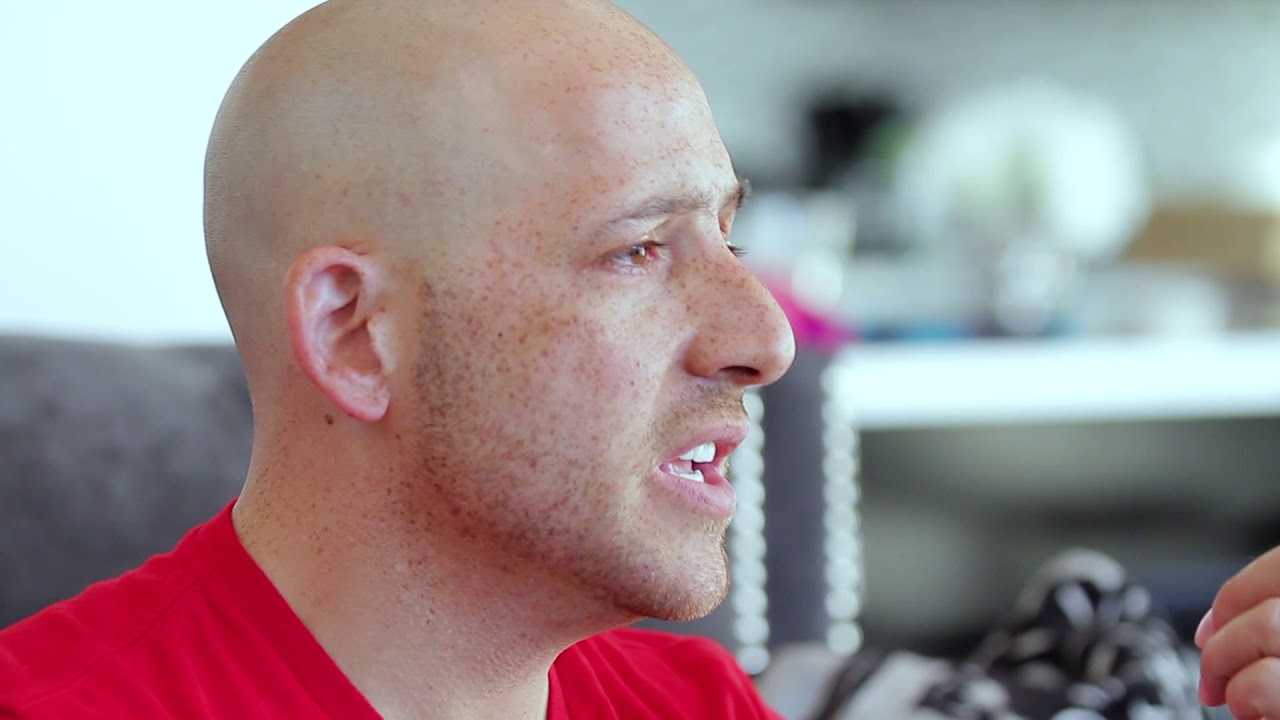
Hines keeps working the same circuit he’s worked for years: campus talks, first responder trainings, and media hits like his Power 106 sit-down, each one built around the same four seconds off the bridge and the sea lion that kept him up until the Coast Guard got there.







The SECRET to Super Human STRENGTH
12 Ways To Be Healthier
How to know your life purpose in 5 minutes
DELICIOUS 20-minute meals » vegan + healthy
5 Quick & Healthy Breakfast Ideas for School!