


 InfoSearched
Fake health claims spread faster online than the science that debunks them.
Ask any doctor what frustrates them most about treating patients today, and a lot of them will bring up the same thing: people showing up with half-formed ideas about “miracle cures” they found on Facebook. The gap between what circulates on social feeds and what’s actually backed by clinical research has widened for years, and public health groups have been sounding the alarm on it well before it became a mainstream talking point.
- Health organizations including the World Health Organization and the U.S. National Institutes of Health have documented that a substantial share of health-related links shared on Facebook and YouTube contain inaccurate medical claims.
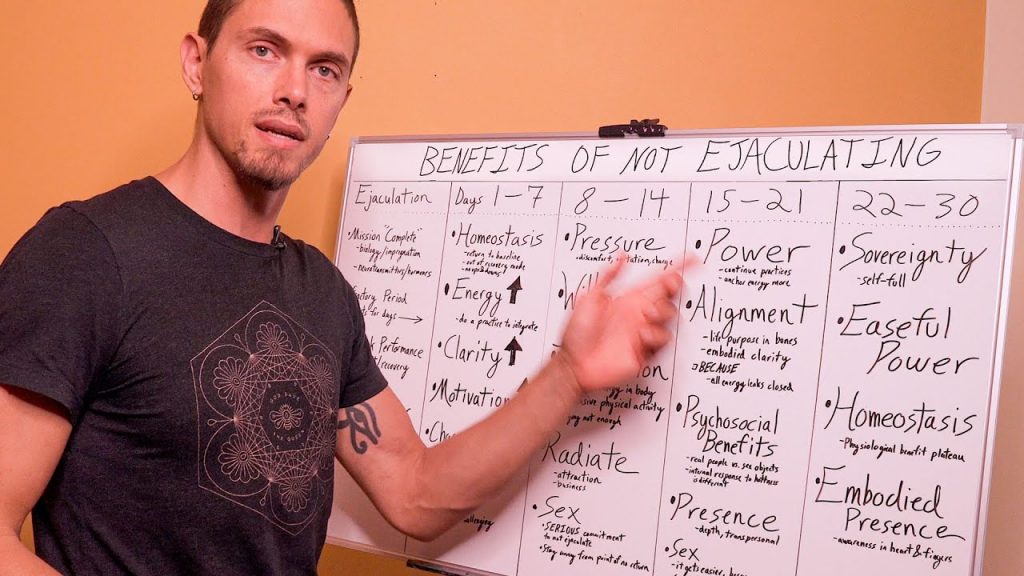
- Much of that content pushes unproven alternative therapies, anti-vaccine messaging, or bogus cancer cures rather than anything grounded in peer-reviewed research.
- Algorithmic promotion of engagement-heavy content has been identified as a key driver — sensational claims spread faster than careful, sourced reporting.
Mechanisms Behind Bogus Cure Promotion
Fake health stories rarely announce themselves as fake. They show up as a clickbait headline promising a “magic pill” that melts fat overnight, or a testimonial swearing off chemotherapy in favor of some unregulated supplement. Real, credentialed information — the kind you’d find in a piece on science-based nutrition guidance — rarely gets the same viral push, because it doesn’t trigger the same emotional reaction that keeps people clicking.
The financial and physical costs are real. People delay legitimate treatment chasing a “natural” fix that has no clinical backing, or they spend money on supplements with zero regulatory oversight. The pattern is consistent enough that researchers can map it: sensational claim, emotional hook, rapid share count, and only much later — if ever — a correction that reaches a fraction of the original audience.
A story doesn’t need to be true to go viral — it just needs to feel true to the person sharing it.
Evidence From Scientific Research Findings
Both the WHO and NIH have flagged the scale of the problem in their own studies of platform content, finding that a meaningful chunk of circulating health links fail basic accuracy checks. That’s not a fringe issue confined to obscure forums — it’s happening on the same platforms people use to check their symptoms, research a diagnosis, or decide whether to vaccinate their kids. The common thread across the flagged content is that it’s optimized for engagement, not accuracy, which is exactly why algorithmic ranking keeps surfacing it.
Building Health Literacy as a Defense
The most consistent advice from public health researchers is the same advice librarians have given for decades: check the source before you share the story. That means looking at who wrote it, what credentials back the claim, and whether an established body like the WHO or NIH backs the underlying research. Readers who want a broader sense of how misinformation gets tracked and countered can follow ongoing coverage in the health news space, where these accuracy questions come up repeatedly.
Groups working in the social entrepreneurship space, including foundations that convene technologists and public health experts, have treated digital media literacy as a systemic problem worth institutional attention — not just a matter of individual skepticism. The Skoll World Forum, held annually at Oxford University’s Saïd Business School, wrapped its April 2019 session with roughly 1,200 delegates from more than 80 countries, many of them working on exactly this kind of civic and health communication challenge.
No Shortcuts, No Magic Pill
The uncomfortable truth underneath all of this is that health is complicated, and complicated things don’t compress into a headline. There’s no single supplement, diet, or “hack” that replaces sustained, evidence-based care — and every viral claim promising otherwise is worth a second look before it gets a share.



Satisfying Video That Helps You to Fall Asleep and Unwind
The Enzyme Mask That Treats Acne And Contours Skin
Interview: Catatonic Schizophrenic
Cholesterol Control
10 Signs of High Functioning Anxiety