

 InfoSearched
Adam Leipzig says he can hand you your life purpose before the coffee gets cold.
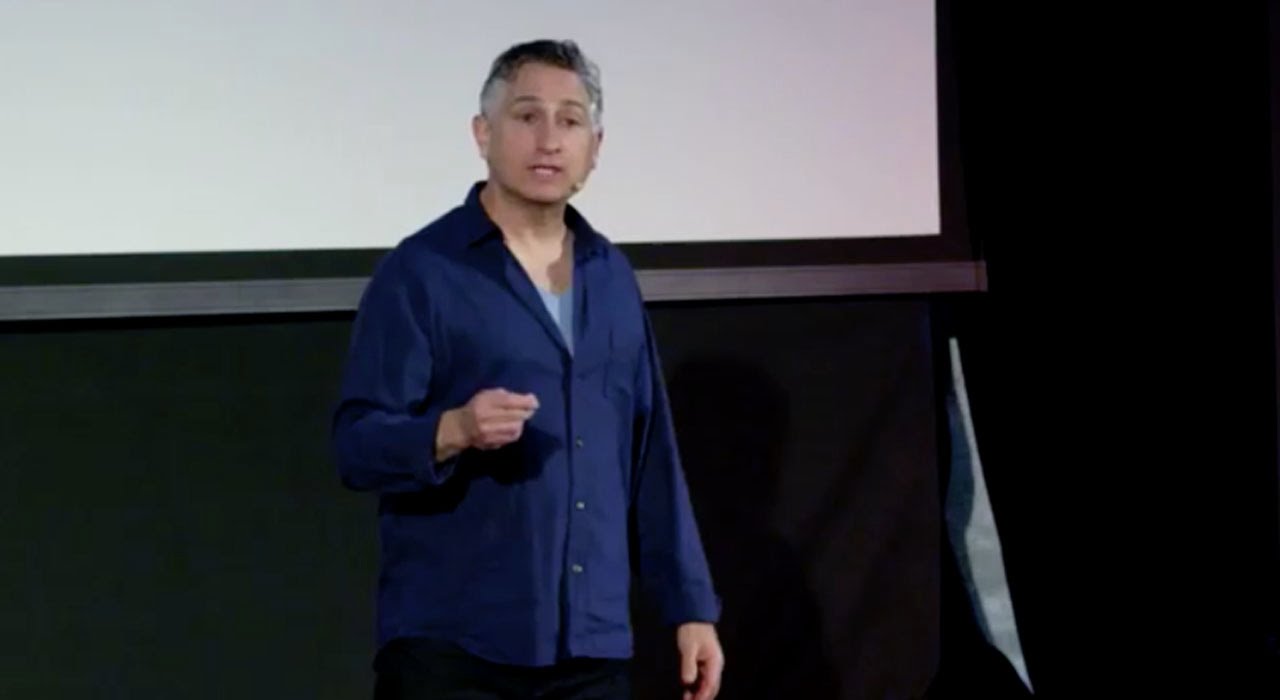
In his TEDxMalibu talk “How to know your life purpose in 5 minutes,” film producer and studio executive Adam Leipzig lays out a framework built from a moment at his own 25-year college reunion. What he found there — a stark split between classmates who felt fulfilled and classmates who felt like they’d wasted their lives — became the backbone of a five-question exercise he says takes less time than a coffee break.
- At his 25-year reunion, roughly 80% of Leipzig’s classmates — despite wealth, privilege, and professional power — told him they were deeply unhappy and felt they’d wasted their time.
- The happy 20% were the ones who’d studied subjects like theater, literature, and history for the love of learning, rather than chasing a single lucrative career path.
- Leipzig’s method boils purpose down to five questions answered in under five minutes: who you are, what you love to do, who you do it for, what they need, and how they change as a result.
The Reunion That Reframed the Question
Leipzig didn’t set out to build a self-help framework. He built it after noticing a pattern at his reunion that he couldn’t shake: the people who looked most successful on paper were, by their own admission, the least satisfied with how they’d spent 25 years. Wealth and status hadn’t insulated the unhappy 80% from the sense that something was missing.
The happy minority, by contrast, hadn’t optimized their college years for a paycheck. They’d majored in things they loved — theater, literature, history — and carried that expansive, curiosity-first approach into their careers and relationships. That contrast is the entire premise of Leipzig’s talk: purpose isn’t a byproduct of achievement, it’s a byproduct of direction.
Five Questions, One Sentence
Leipzig’s pitch is that you don’t need years of therapy or journaling to find your purpose — you need five straight answers. The questions run in order: Who are you? (just your first name.) What do you love to do — the one thing you feel supremely qualified to teach or perform? Who do you do it for? What do those people want or need? And finally, how do they change or transform because of what you give them?
String the five answers together into a single sentence, Leipzig argues, and you’ve written your life purpose statement on the spot. No mission-statement retreat required.
The people who were unhappy were oriented toward themselves. The people who were happy were oriented toward other people.
Significance of Outward Facing Questions
Leipzig zeroes in on questions three, four, and five as the real hinge of the exercise, because they force the focus off the individual and onto the people being served. His observation from the reunion lines up with that structure: the unhappiest classmates tended to describe their lives in terms of what they’d accumulated for themselves, while the happiest ones described who they’d helped and how.
That reframing — purpose as service rather than self-optimization — echoes ideas explored elsewhere in the personal-development space, including how unchecked self-focus can quietly work against people, a theme covered in The Ego Is Betraying You From Being Your Genuine Self. Leipzig’s version of the argument is simpler and more mechanical: answer the outward questions honestly, and the inward anxiety about “finding yourself” tends to take care of itself.
A Five-Minute Exercise, Not a Five-Year Plan
What separates Leipzig’s talk from the usual purpose-finding advice is the deadline he puts on it. He’s not asking anyone to quit a job, take a sabbatical, or read a stack of books. He’s asking for one sentence, built from five quick answers, that can be revised as often as a person’s skills, audience, or circumstances change. It’s the same instinct behind advice collected from people who’ve had decades to reflect on what mattered, like the reflections gathered in 45 Life Lessons Written By A 90 Year Old — except Leipzig compresses the reflection into minutes instead of decades.
Leipzig closes his talk by inviting the audience to actually run the exercise on themselves, live, rather than take his word for it — name, the one thing you love doing, who it’s for, what they need, how they change. That’s the whole test. Whether the sentence it produces sounds right is, in his framing, the only feedback that counts.









On Jordan Peterson & The Hidden Epidemic
How Your Childhood Affects Your Love Style
The Most PAINFUL Thing a Human Can Experience?? | Kidney Stones
“The Billionaire Algorithm” | (it will change your future!)
Escaping Porn Addiction | Eli Nash