

 InfoSearched
A Scottish actor who’s spent his career playing lean, wiry characters had to eat his way into a superhero-sized frame for one final showdown.
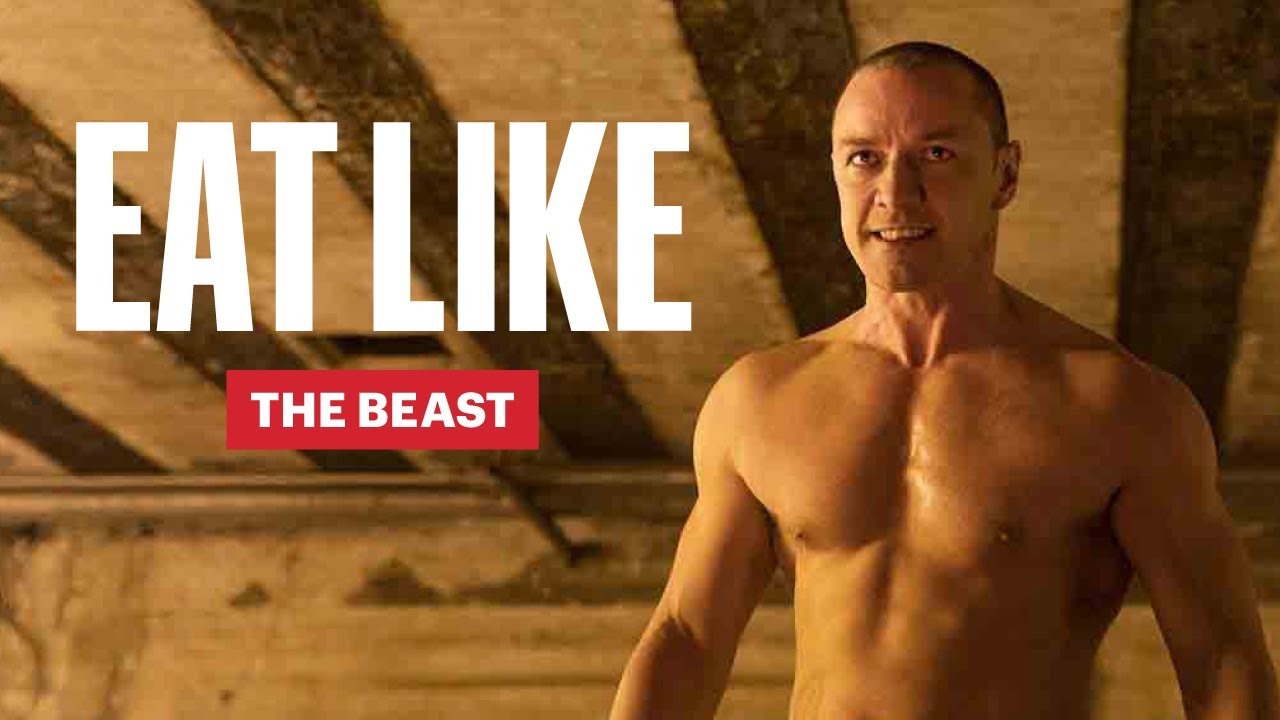
James McAvoy didn’t just act bigger for his role as Kevin Wendell Crumb in M. Night Shyamalan’s Glass — he actually got bigger, adding 16 to 20 pounds of muscle to play the character’s most dangerous personality, The Beast. In Men’s Health’s “Eat Like a Celebrity” series, Swedish trainer and nutritionist Magnus Lygdback lays out exactly how he did it, and it has almost nothing to do with the rumor mill that followed the film’s release.
- Magnus Lygdback designed the nutrition plan that helped James McAvoy gain 16 to 20 pounds of muscle for his role as Kevin Wendell Crumb/The Beast in Glass (2019).
- Both McAvoy and Lygdback debunked online rumors that the actor ate 5,000 to 6,000 calories a day, confirming he never counted a single calorie during the process.
- The 12-week prep began in Montreal while McAvoy was still filming Dark Phoenix, built around five meals a day eaten every two-and-a-half to three hours.
The Myth of the 6,000-Calorie Bulk
Once Glass hit theaters and photos of a noticeably thicker McAvoy circulated, the internet did what it always does with a dramatic transformation: it invented a number. The story going around was that McAvoy had force-fed himself 5,000 to 6,000 calories a day to build The Beast’s frame. Lygdback shuts that down flatly in the video — McAvoy never tracked calories at all, not once during the entire cut. Instead of chasing a number on a app or a spreadsheet, the plan ran entirely on macronutrient ratios and meal timing, which Lygdback calls his “Magnus Method.”
Five Meals, Fist-Sized Portions
The structure was simple to describe and hard to actually stick to for weeks on end. McAvoy ate roughly every two-and-a-half to three hours, landing on about five meals a day to keep his body in a consistently anabolic state while he was lifting heavy and often. Every plate followed the same template: a fist-sized portion of protein, a fist-sized portion of complex carbohydrates, and a serving of high-fiber vegetables. No exceptions, no skipped meals, no starving-then-binging.
McAvoy never counted a single calorie — the entire transformation ran on macro ratios, meal timing, and fist-sized portions instead.
The staples on rotation read like a textbook clean-bulk grocery list: eggs, skinless chicken breast, steak, fish, sweet potatoes, brown rice, and healthy fats pulled from avocados, nuts, and olive oil. Readers looking to build a similar plate at home can find the same logic laid out in 8 Foods Men Should Eat Everyday (Science-Based). Hydration was treated as its own non-negotiable part of the plan, not an afterthought.
Twelve Weeks, Starting in Montreal
The buildup didn’t start on some dedicated bulking retreat — it started in Montreal, while McAvoy was still on set filming Dark Phoenix. Lygdback had a 12-week window to add real size to McAvoy’s back, shoulders, and arms without turning him into a slow-moving mass of muscle. The Beast, as written and directed by Shyamalan, needed to move fast and animalistic on camera, so agility couldn’t be sacrificed for size.
Lygdback’s answer was consistency instead of extreme restriction. The macro ratios stayed strict meal to meal, but there was structured flexibility built into the plan so McAvoy wasn’t white-knuckling his way through 12 straight weeks of rigid dieting. That balance between hypertrophy training and staying functional is the same principle covered in How To Build Muscle And Lose Fat At The Same Time: Step By Step Explained (Body Recomposition), and it’s the reason McAvoy looked genuinely bigger on screen without looking stiff during The Beast’s more physical sequences.
A Growing Franchise of Celebrity Diet Breakdowns
McAvoy’s episode slots into a run of Men’s Health “Eat Like a Celebrity” breakdowns built around the same idea: strip away the tabloid numbers and show the actual macros, meal counts, and food lists a trainer used. Fans who liked seeing Lygdback’s fist-and-palm system spelled out for McAvoy can find the same format applied to a much different starting point in Ethan Suplee on Losing 250 Pounds and Getting Jacked | Train Like A Celebrity.
What sticks with you after watching Lygdback break it down isn’t a supplement stack or a secret shake — it’s that five plates a day, built the same way every time, put 16 to 20 pounds of muscle on a guy who spent the same stretch of weeks also shooting an X-Men movie in Montreal. No calorie counter required.









5-Minute Workout That Replaces High-Intensity Cardio
Why One Meal A Day Is Good For You | The Unknown Secret
What Brain and Sperm Share and Why Care
Hooded Eyes Do’s & Don’ts!
Use This To Control Your Brain