

 InfoSearched
A channel built on decoding body language just handed viewers a psychology-backed playbook for earning respect without saying a word.
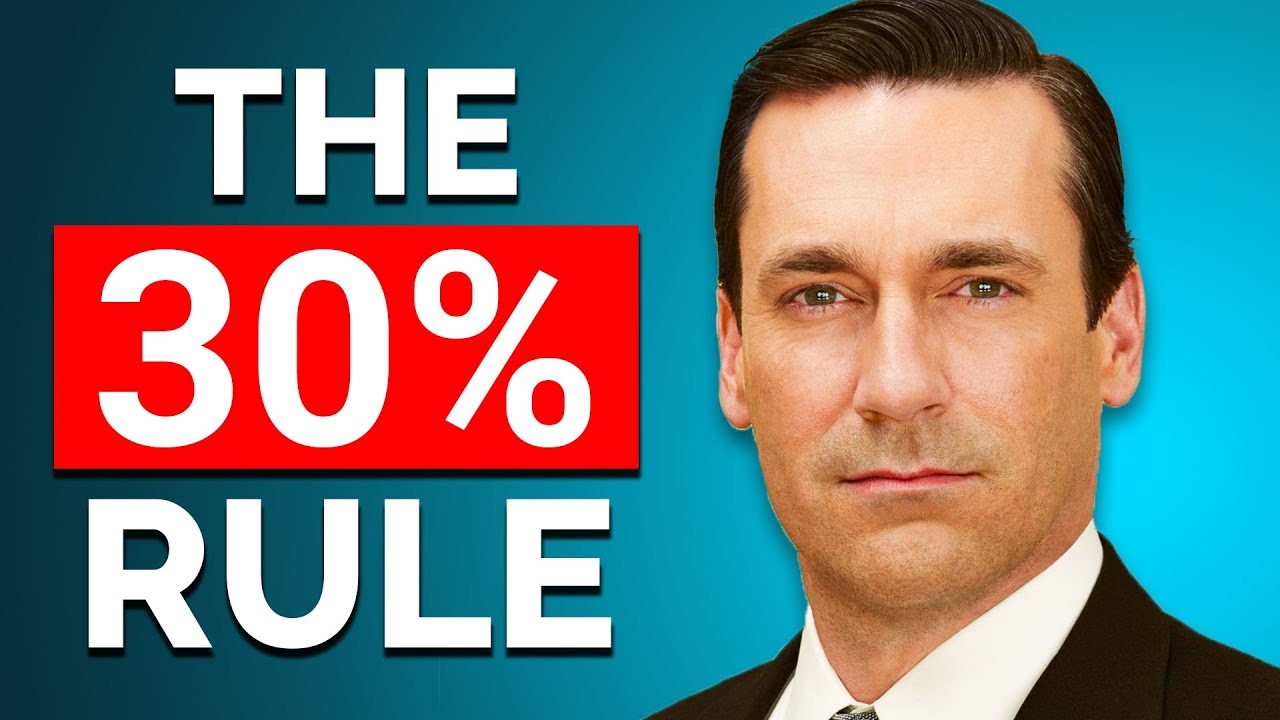
Charisma on Command, the YouTube channel co-founded by Charlie Houpert, has spent years breaking down footage of politicians, actors and executives frame by frame to explain why some people command a room and others get talked over. In “Secrets From Psychology That Make People Respect You,” Houpert skips the generic self-help checklist — sleep more, eat better, drink water — and instead walks through the specific behavioral mechanics that psychological research links to perceived authority. The video treats respect as something built through repeatable habits, not personality traits you either have or don’t.
- Charlie Houpert breaks down concrete nonverbal cues — deliberate eye contact, open posture, vocal tonality and unhurried physical movement — that research ties to how much authority a person is perceived to hold.
- The video frames active listening and holding boundaries without hostility as conversational habits that build respect over time, rather than one-off power moves.
- Houpert singles out staying unfazed when challenged or interrupted as one of the clearest tells of genuine confidence, distinguishing it from surface-level advice about diet or sleep routines.
The Channel Behind the Breakdown
Charisma on Command grew into one of the largest social-skills channels on YouTube by treating charisma like a subject that can be studied rather than a gift some people are born with. Houpert built the channel’s reputation on close analysis — pausing on a politician’s hand gestures, a celebrity’s pause before answering a hostile question, or a CEO’s tone shift mid-interview — and connecting those small choices to measurable outcomes in how people are perceived. That approach carries into this video, where the goal isn’t motivation, it’s mechanics.
The framing matters because so much advice about confidence stays abstract — “believe in yourself,” “own the room.” Houpert’s video instead isolates specific, observable behaviors: where your eyes go during a pause, how fast you move when someone raises their voice, whether your shoulders square up or shrink when you’re interrupted. Viewers looking to work on eliminating self-doubt will find the same territory here, just approached from the outside in — behavior first, mindset second.
The Body Language of Authority
The video’s core argument is that respect is read visually and vocally before a single word of substance lands. Eye contact held a beat longer than instinct suggests, open posture instead of crossed arms or a hunched frame, and a vocal tone that stays level rather than rising into a question at the end of statements — these are the specific levers Houpert points to. He also flags unhurried movement: people who are perceived as high-status tend not to rush, fidget or scramble when the pressure in a room shifts.
None of these are treated as tricks. The video’s premise is that they’re outward signals of an internal state, and that practicing the outward signal can, over repetition, shift the internal state to match — the same behavioral loop covered in discussions of how ego and self-perception feed each other.
Conversational Habits That Earn Respect
Beyond posture and eye contact, Houpert spends significant time on how people talk and listen. Active listening — visibly processing what someone says rather than waiting for your turn to speak — comes up as a habit that earns more long-term respect than any single clever line. So does holding a boundary firmly but without hostility: saying no, correcting a mischaracterization, or pushing back on a bad-faith comment without raising your voice or getting defensive.
Staying calm when you’re challenged reads as more powerful than winning the argument.
That’s the throughline of the video’s conversational section — the goal isn’t to dominate an exchange, it’s to stay composed enough that the other person’s attempt to rattle you doesn’t land. It’s the same principle that shows up in breakdowns of how toxic dynamics operate in relationships, where the person who stays steady usually ends up holding more leverage than the person who escalates.
Holding Ground When Challenged
The video’s final stretch focuses on what happens when someone tries to knock you off balance — an interruption, a sarcastic jab, a pointed question meant to put you on the back foot. Houpert argues that the reaction in that moment is the single biggest tell of real versus performed confidence. Getting flustered, talking faster, or over-explaining signals that the challenge worked. Pausing, staying at the same volume and pace, and responding on your own timeline signals the opposite.
That’s presented as learnable rather than innate — the same way posture and eye contact are learnable — which is consistent with Charisma on Command’s broader catalog of videos built around studying real footage of high-pressure exchanges and reverse-engineering what the composed person in the room was actually doing differently.








After watching this, your brain will not be the same
How Falling Behind Can Get You Ahead
We’re Inside A Larger Organism
10 Girl Beauty Tips & Secrets
THE BEST Healthy Food Prep!! Protein Granola, Healthy Carbs, Snacks & MORE!