

 InfoSearched
A nurse practitioner tells a Greenville crowd that when you eat matters more than what’s on your plate.
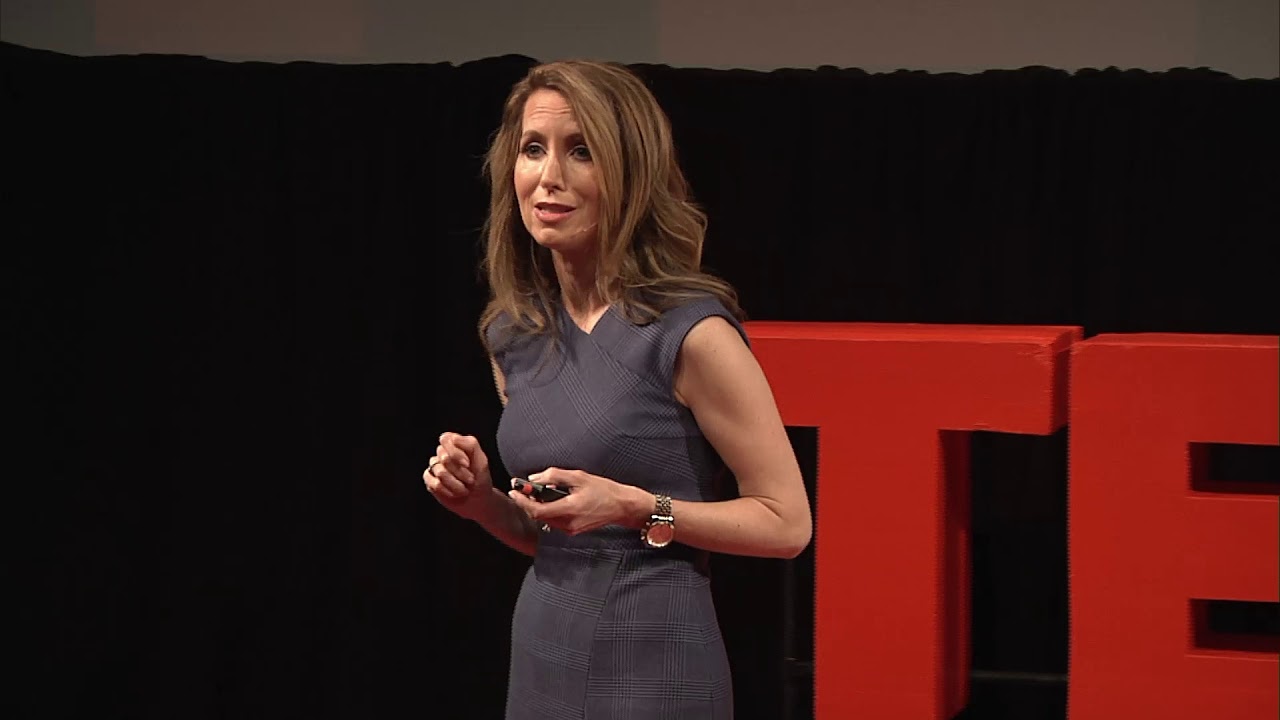
Cynthia Thurlow spent her career in Western medicine before pivoting to functional nutrition, and her 13-minute TEDxGreenville talk, “Intermittent Fasting: Transformational Technique,” makes a blunt case: the calories-in, calories-out model has failed millions of women in midlife, and the fix isn’t another diet — it’s a different clock. Thurlow, who works one-on-one with female clients and built her practice around hormonal health, argues that strategic fasting windows can reverse metabolic stalling that hits women hardest in their 40s, 50s, and 60s.
- Two-thirds of women between 40 and 59 are overweight, and more than half are obese, according to the data Thurlow cites in the talk.
- Women in their 50s and 60s gain an average of 1.5 pounds a year, which Thurlow attributes to hormonal shifts, declining lean muscle mass, disrupted sleep, and mood swings — not simple overeating.
- Thurlow gave the talk roughly three weeks after a severe health scare, framing intermittent fasting as a tool she leans on personally, not just one she prescribes.
Rejecting the Breakfast Rule
Thurlow spends a chunk of her talk dismantling assumptions most women have carried since childhood — that breakfast is mandatory, that grazing all day keeps metabolism “revved,” and that weight loss is purely a math problem of burning more than you consume. She argues those rules were never built for the hormonal reality of a 50-year-old woman, and that treating midlife weight gain as inevitable — or reaching for a prescription to patch it — ignores what’s actually driving it: insulin resistance and a body that’s stopped efficiently switching between fuel sources.
Her alternative isn’t a food list. It’s a clock. Thurlow tells the Greenville audience that shifting when people eat, rather than obsessing over what they eat, produces changes that calorie restriction alone rarely delivers — a point she says surprises most of her clients when they first hear it.
Biological Impacts of Fasting Windows
The mechanism Thurlow describes centers on metabolic flexibility — training the body to move between burning glucose and burning stored fat instead of running on a steady drip of snacks and beverages. She connects fasting windows directly to lower insulin resistance, more stable blood sugar, and sharper mental clarity, and she’s careful to note that her clients report these changes without the hunger spikes or energy crashes people expect from skipping meals.
Readers curious about the mechanics behind that fat-burning switch, or looking for a structured entry point, can find more detail in a related breakdown of different ways of fasting, which lays out how various windows compare for beginners.
Two-thirds of women 40 to 59 are overweight, and more than half are obese — Thurlow treats that statistic as the starting point, not the ceiling, for what fasting can undo.
Beyond the Scale
Thurlow doesn’t stop at biomarkers. She ties the physical results — better cardiovascular profiles, lower disease risk, deeper sleep — to something less clinical: self-esteem and interpersonal relationships. Her argument is that women who reclaim control over their metabolic health after years of failed diets report changes in confidence and mood that ripple into their marriages, friendships, and work lives, not just their labs.
She also frames fasting as democratic in a way pharmaceutical interventions aren’t. It costs nothing to skip a meal window, and it doesn’t require a prescription pad — a contrast she draws explicitly against the quick-fix drugs often marketed to women hitting the same wall she’s describing. For readers building out a broader routine around that idea, a look at HIIT exercises aimed at belly fat pairs with the metabolic argument Thurlow makes on stage.
Her Own Practice
By the time she walked onto the TEDxGreenville stage, Thurlow had already built Wholistic Blueprint, her six-week hormonal health program for women, and was co-hosting the Everyday Wellness podcast while contributing regular wellness segments to an ABC affiliate in Washington, D.C. She mentions delivering the talk about three weeks removed from a serious health scare of her own — a detail she uses not for sympathy but to underline that the protocol she’s describing is something she was actively relying on, not just recommending from a research desk.
Thurlow closes her talk without a call for a specific product or app — just a challenge to try adjusting the clock before reaching for anything else. For the women in that Greenville audience carrying the same 1.5-pounds-a-year math she opened with, that’s the whole pitch: change when you eat first, and see what happens before you change anything else.






BREAKFAST BURRITO MEAL PREP | Freezer Burritos For The Whole Month! | Jordan Cornwell
Longest plank EVER – Guinness World Records
Sen. Kamala Harris unveils health care plan ahead of debates
Healthy 5 minute Breakfast Ideas for busy people / kid friendly
Your Mind is an Excellent Servant, but a Terrible Master