

 InfoSearched
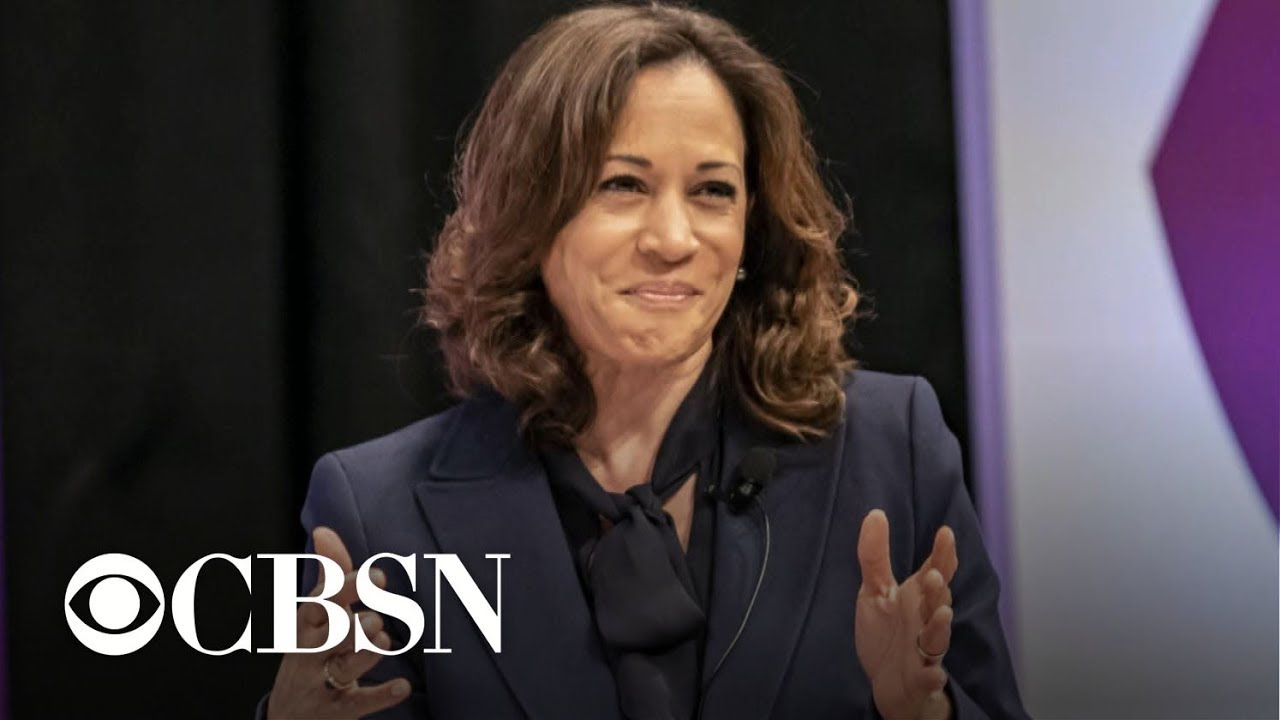
Kamala Harris just tried to have it both ways on Medicare for All, and she did it four days before she has to defend it on a debate stage in Detroit.
On Monday, Sen. Kamala Harris posted a detailed breakdown of her health care platform on Medium, and it reads less like the sweeping “eliminate all private insurance” plan she’d been dogged by for weeks and more like a hedge. The California senator’s framework still runs through Medicare, but it carves out room for private insurers to sell regulated plans inside the system — a structure lifted straight from Medicare Advantage. It’s a calculated middle path, released just ahead of the second round of Democratic primary debates, where health care is guaranteed to dominate the stage.
- Harris’s plan sets a 10-year transition to Medicare for All, more than double the 4-year phase-in in Sen. Bernie Sanders’s Medicare for All legislation.
- Private insurers would still be allowed to operate inside the system, but only if their plans meet strict government rules on price, quality, and benefits — the same basic structure as Medicare Advantage today.
- Harris explicitly rules out tax increases on households earning under $100,000, financing the plan instead through taxing offshore corporate income at domestic rates and a new tax on financial transactions, which her campaign says would raise well over $2 trillion over ten years.
A Medicare Advantage Workaround
The headline shift in Harris’s plan is that private insurance doesn’t disappear — it gets absorbed. Under her framework, insurers can keep offering coverage as long as those plans operate inside Medicare and comply with federal limits on pricing, quality standards, and covered benefits. That’s functionally the Medicare Advantage model already used by roughly a third of Medicare beneficiaries, just applied to the entire country instead of seniors alone.
It’s a notable break from the plan Harris had been publicly associated with for months, one that critics and rivals alike had described as flatly abolishing private coverage. By building the private-insurer carve-out into the rollout, she’s trying to answer the attack line that’s followed her since she raised her hand at the first debate when asked who would give up private insurance.
Ten Years Versus Four
The most concrete policy distance between Harris and Sanders is the clock. Sanders’s Medicare for All bill compresses the shift to a single-payer system into four years. Harris stretches that transition to a full decade, giving employers, insurers, hospitals, and patients far more runway to adjust before private coverage as it currently exists is phased out of the picture.
That timeline difference is also a political tell. A slower transition is easier to defend to voters worried about losing employer-sponsored coverage overnight, which has been the single biggest vulnerability Medicare for All proposals face in early polling among Democratic primary voters.
Defining Selective Media Coverage
On benefits, Harris doesn’t scale back. Her plan promises full coverage of medically necessary care, including emergency services, doctor visits, vision, dental, hearing aids, mental health treatment, substance use disorder treatment, and reproductive care. Cost-sharing — deductibles, copays, the stuff that makes people avoid the doctor until a problem gets expensive — is eliminated entirely.
The plan also puts prescription drug pricing squarely in the government’s hands. It would let the Secretary of Health and Human Services negotiate prices directly and would authorize audits of pharmaceutical companies that charge Americans far more than they charge in other countries for the same drugs.
Households earning under $100,000 would see no tax increase under the plan — the money instead comes from taxing offshore corporate income at domestic rates and a new financial transactions tax, projected to raise more than $2 trillion over a decade.
Financing Without Touching the Middle Class
This is where Harris draws her clearest line against Sanders, who has floated payroll tax increases that could touch middle-income earners. Harris instead proposes taxing corporations’ offshore income at the same rate they’d pay domestically, plus a financial transactions tax targeting Wall Street trading activity. Her campaign’s math puts the combined haul at well over $2 trillion across ten years — money earmarked to cover the cost of the transition without new middle-class tax bills.
It’s the same populist framing Harris has used on the trail for months. Pressed at a CNN town hall earlier this year on whether she’d raise middle-class taxes to pay for health care, she said flatly it would come “on the wealthy individuals and on big corporations, because we know they’re not paying their fair share.” Readers following the broader policy debate around preventative care and system-wide health costs can find more coverage in InfoSearched’s Health News section, and the plan’s mental health and substance-use provisions tie into ongoing coverage in Mental Health.
The real test comes in Detroit, where Harris will be standing a few feet from Sanders and Elizabeth Warren, both of whom have staked out firmer single-payer positions. Expect Sanders to press her directly on why she needs six extra years to get to the same destination — and expect Harris to lean on that $100,000 tax pledge as the thing that separates her plan from his on stage.







TAOISM | The Art of Not Trying
The Secret of Becoming Mentally Strong | Amy Morin | TEDxOcala
The Surprising Truth About Making Babies Late | Reisa Pollard | TEDxVancouver
FASHION NOVA BUTT IMPLANT UNDERWEAR.. DO THEY WORK? | KASEY RAYTON
The SECRET to Super Human STRENGTH