

 InfoSearched
Your mood swings, energy crashes, and midnight anxiety spirals might all trace back to the same invisible chemical system.
Bright Side’s explainer “How Hormones Influence You and Your Mind” breaks down the endocrine system in plain terms — the network of glands that quietly runs the body’s internal chemistry. It’s a useful primer because most people only think about hormones when something goes wrong: a crash in energy, an unexplained bout of irritability, or a stretch of sleepless nights. The video makes the case that these chemical messengers are working behind the scenes constantly, not just during a crisis.
- Glands including the pituitary, thyroid, adrenal glands, ovaries, and testes release hormones directly into the bloodstream, where they bind to receptors and regulate heart rate, blood pressure, cellular growth, and fat storage.
- Chronic elevation of cortisol — the primary stress hormone behind the “fight or flight” response — suppresses digestion and immune function, disrupts sleep, and depletes serotonin pathways, producing fatigue, brain fog, anxiety, and depressive symptoms.
- “Feel-good” hormones such as serotonin, dopamine, endorphins, and oxytocin govern mood stability, motivation, pain relief, and social bonding, while imbalances in insulin and thyroid hormones drive blood sugar swings and mental fog.
The Body’s Messenger System
Hormones don’t act like nerve signals firing instantly from point A to point B. They travel through the bloodstream from their source gland — the pituitary, thyroid, adrenal glands, ovaries, or testes — until they reach tissue equipped with the right receptor. Once a hormone binds to that receptor, it triggers a cascade: a shift in heart rate, a change in blood pressure, an instruction to store or burn fat. That delay and diffusion is exactly why hormonal effects tend to feel gradual rather than sudden, showing up as a slow drift in energy or appetite rather than an immediate switch.
This is also why a hormonal imbalance can be so hard for someone to pin down on their own. A single gland malfunctioning — the thyroid running too fast or too slow, for instance — can ripple out into symptoms that look completely unrelated, from weight changes to mood shifts to sleep problems. The video’s core point is that these systems are interconnected rather than isolated, which lines up with why lifestyle habits like the ones covered in structured exercise routines can influence far more than just body composition.
Cortisol and the Fight-or-Flight Circuit
The explainer spends significant time on cortisol, the hormone released alongside adrenaline when the brain perceives a threat. In short bursts, that response is exactly what it evolved to be: useful. It sharpens focus, redirects blood flow to muscles, and prepares the body to react. The problem, according to the video, is duration. When cortisol stays elevated for extended periods — the kind of chronic, low-grade stress common in daily modern life rather than a single acute threat — it starts suppressing digestive and immune processes, disrupting sleep cycles, and draining serotonin pathways.
Chronic elevations of cortisol suppress digestive and immune processes, disrupt sleep, and deplete neurotransmitter pathways like serotonin — resulting in fatigue, brain fog, anxiety, and depressive symptoms.
That combination — depleted serotonin, disrupted sleep, an immune system running at reduced capacity — is precisely the cluster of symptoms people often describe as “just being stressed” without realizing there’s a measurable hormonal mechanism behind it. It’s a theme that echoes what Johann Hari has argued about the biological roots of anxiety and depression, and it’s why sleep quality gets treated as a frontline defense rather than an afterthought.
The Feel-Good Chemistry
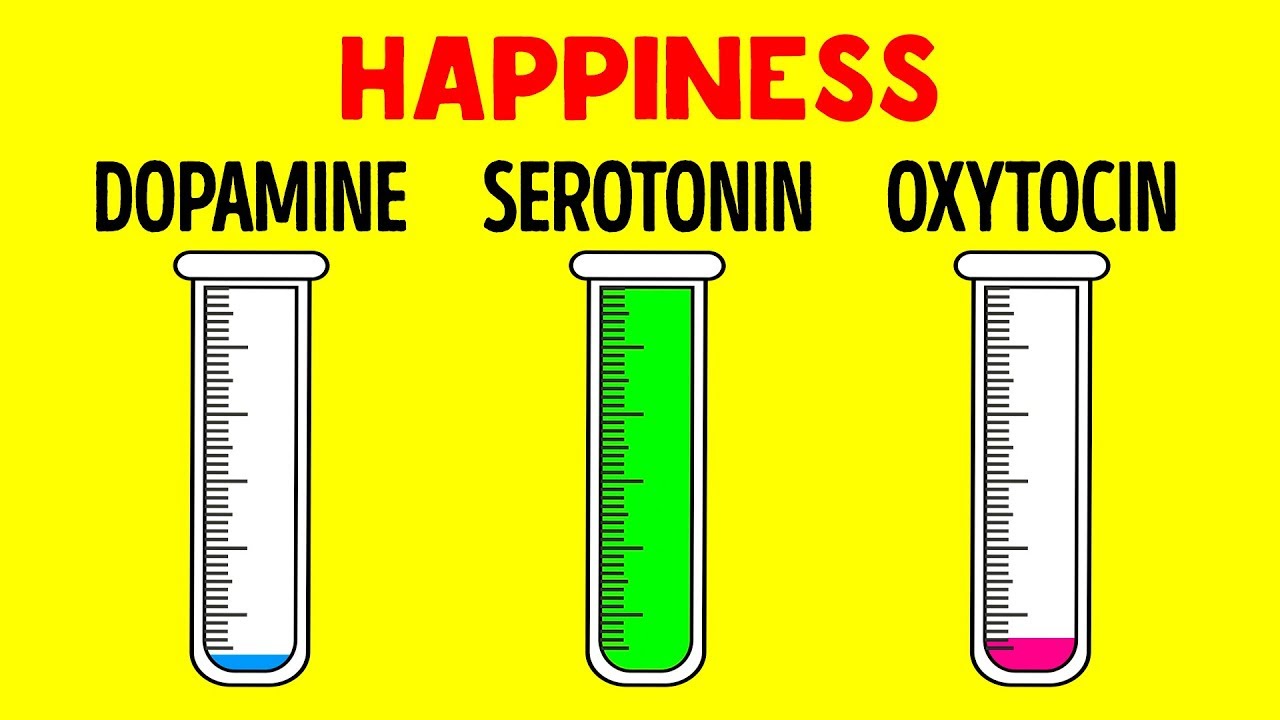
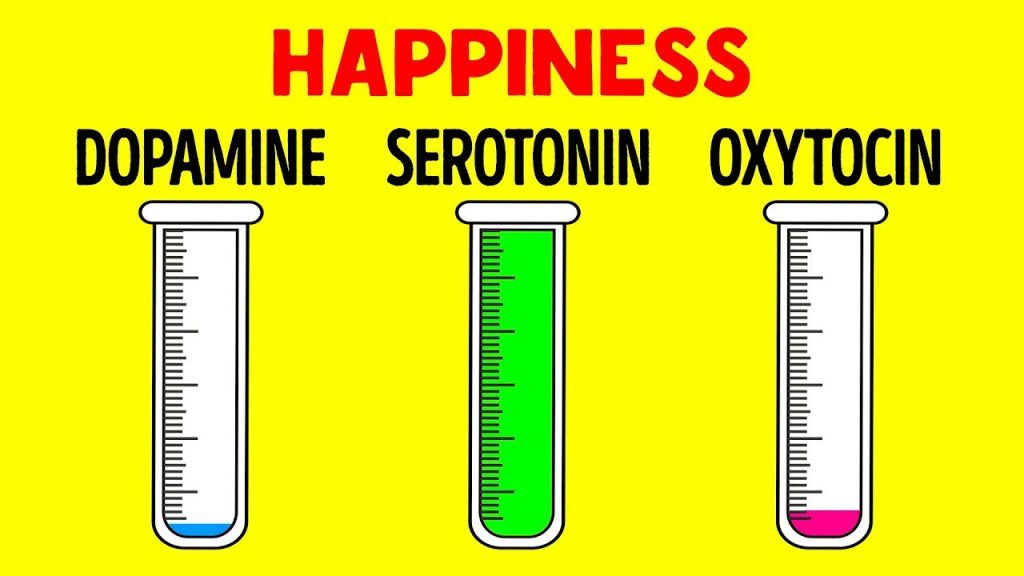
Beyond cortisol, the video walks through the hormones and neurohormones most associated with mood regulation. Serotonin stabilizes mood and behavior; dopamine drives motivation through the brain’s reward loop; endorphins blunt pain; oxytocin strengthens social bonding and attachment. Each operates on a different timeline and trigger — dopamine spikes with anticipated reward, oxytocin rises during physical closeness or trust-building interactions — but together they form the chemical backdrop for what people experience as feeling good, motivated, or connected.
When any of these run low, the effects show up as apathy, disconnection, or a diminished capacity to feel reward from things that used to provide it. That’s part of why habits built around consistent activity and rest matter so much — the same territory covered in guides on falling asleep faster and breaking cycles of excessive worry, both of which intersect directly with hormonal regulation rather than pure willpower.
Metabolic Regulators and Mental Clarity
The video also ties metabolic hormones directly to cognitive symptoms most people wouldn’t automatically connect to their brain chemistry. Insulin imbalances cause blood sugar volatility, and that volatility is linked to irritability and mood swings — the kind of edge people sometimes misattribute purely to personality or a bad day. Thyroid dysfunction, whether hypothyroidism or hyperthyroidism, alters mental clarity and energy levels in ways that can mimic depression or anxiety disorders if left unchecked.
The through-line the explainer draws is that hormonal equilibrium isn’t maintained by a single fix but by a handful of daily inputs working together: structured sleep cycles, regular physical activity, balanced nutrition, and active stress management. None of those levers are exotic, but the video’s framing makes clear why skipping any one of them shows up as more than just feeling “off” — it shows up as a measurable chemical shift.
None of this requires a lab test to start addressing. Consistent sleep timing, regular movement, and meals that don’t spike and crash blood sugar are the same three levers doctors reach for before ever ordering a hormone panel — which is exactly the point the video is making about how much day-to-day control people actually have over their own chemistry.






32 GENIUS BEAUTY TIPS FOR GIRLS
What Representing Men in Divorce Taught Me About Fatherhood
“Your Brain Will Change in a Few Seconds”
15 Mistakes Most Beginner Cooks Make (Part 1)
How Canada’s Universal Health-Care System Works