

 InfoSearched
Worry convinces you it’s doing something useful. It isn’t.
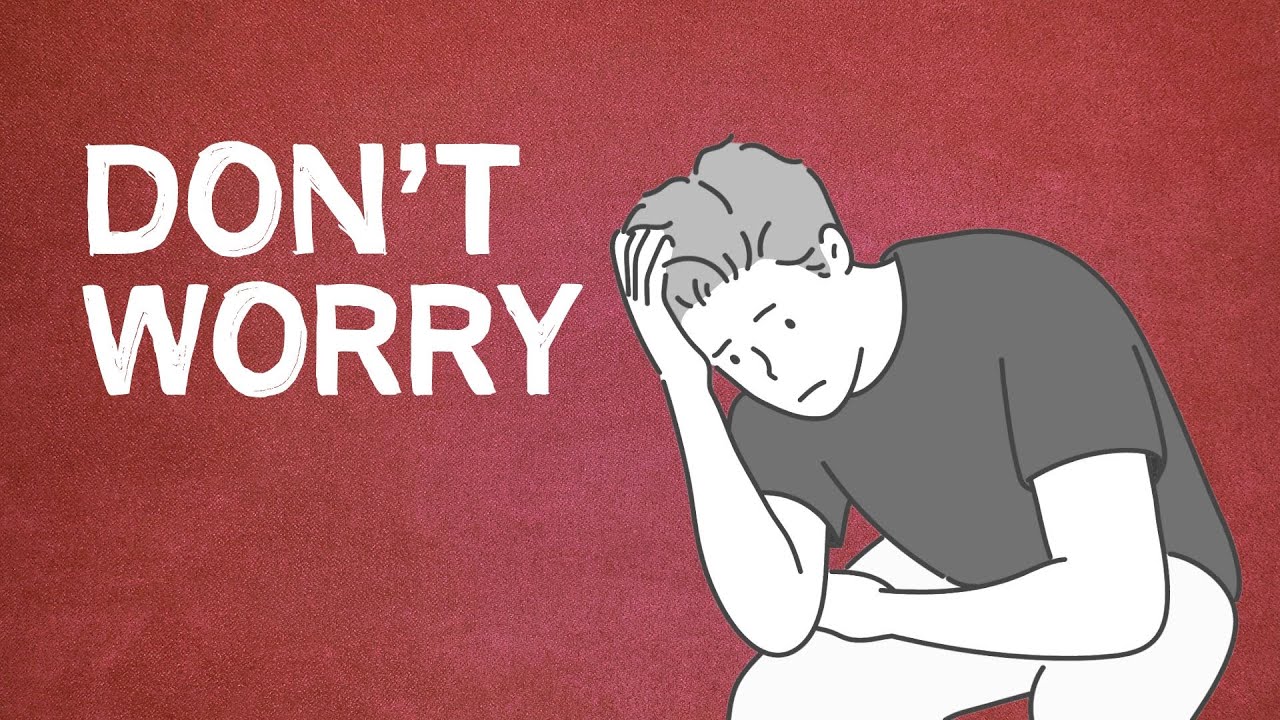
In July 2020, the philosophy-focused YouTube channel Einzelgänger released a video essay titled “Reasons To Stop Worrying (Break The Habit of Excessive Thinking),” paired with a companion essay that pulls from Stoic and Eastern thought to dismantle the idea that chronic worry is a form of preparation. The argument is blunt: worrying feels productive, but it rarely changes an outcome — it just burns energy while the actual problem sits untouched. Einzelgänger builds the case around a specific line from Eckhart Tolle and the old Stoic split between what you can control and what you can’t.
- Einzelgänger’s essay cites Eckhart Tolle’s observation that “worry pretends to be necessary but serves no useful purpose,” framing anxious rumination as disguised problem-avoidance rather than problem-solving.
- The video links chronic worry to concrete physical effects — elevated blood pressure and sustained chronic stress — alongside the mental toll of clouded judgment.
- The core practical fix offered is the Stoic dichotomy of control: sorting what’s actually actionable right now from what’s just speculation about an uncontrollable future.
The False Promise of Worry
The essay’s starting point is a habit almost everyone recognizes: treating worry as due diligence. Einzelgänger pushes back on that framing directly, arguing that anxious thinking dresses itself up as vigilance while actually accomplishing nothing. Tolle’s line does the heavy lifting here — worry “pretends to be necessary but serves no useful purpose” — because it names the trick. The brain treats rehearsing worst-case scenarios as if it were preparation, when in practice it’s just repetition without resolution.
Worry pretends to be necessary but serves no useful purpose.
That distinction matters because it reframes worry not as a flaw of character but as a mental habit with a specific, false reward. The video argues that once someone notices the loop isn’t producing decisions or solutions, the compulsion to keep running it starts to lose its grip.
The True Cost of Chronic Worry
Einzelgänger doesn’t leave the cost of worry abstract. The essay ties sustained anxious thinking to real physiological strain — chronic stress and elevated blood pressure among them — plus a degraded ability to think clearly when it counts. That’s the part that separates this from a purely motivational pep talk: the claim is that worry doesn’t just feel bad, it measurably interferes with the judgment a person needs to actually handle whatever they’re worried about.
It’s a point that echoes broader work on how the mind operates as both an asset and a liability — something explored in Your Mind is an Excellent Servant, but a Terrible Master. The same mechanism that lets a person plan and solve problems is the one that, left unchecked, spirals into rumination that solves nothing.
The Dichotomy of Control
The video’s practical backbone comes from Stoicism’s dichotomy of control — the ancient distinction between what’s within a person’s power and what isn’t. Einzelgänger argues that most modern anxiety is really an attempt to control the future, a category of thing that is, by definition, outside anyone’s grasp. Applying that dichotomy means asking, in the moment, whether a given worry points to something actionable right now or whether it’s just noise about a scenario that hasn’t happened and may never happen.
That same idea of not overreacting to every provocation the mind throws up shows up in How not to take things personally?, which works from a related premise: much of what feels urgent in the moment isn’t actually a call to action, it’s a reflex worth questioning before acting on it.
Treating Thoughts as False Alarms
The essay’s closing recommendation is less about suppressing thoughts and more about relabeling them. Einzelgänger frames many worried thoughts as false alarms — signals the mind generates out of habit rather than out of genuine present danger. The suggested shift is toward the present moment itself: instead of catastrophizing about a future that can’t be controlled, direct attention to whatever concrete, actionable step is available right now. That’s the whole practical toolkit the video offers — recognize the false alarm, apply the dichotomy of control, and put the freed-up attention toward something that actually moves the needle.
Einzelgänger’s back catalog runs on this same territory — Stoic detachment, Taoist non-effort, the mechanics of the ego — and this video slots in as one more entry making the case that most of what the mind flags as an emergency isn’t one. The channel’s next essay will likely keep working the same seam: not “how to feel better,” but “why the thought you’re having right now probably isn’t as real as it sounds.”







4-Minute Workout That Replaces 1 Hour in the Gym
$13 Korean Soup Vs. $88 Korean Soup
7 POWERFUL Ways To Improve Your Appearance
I Followed My 100 Year Old Grandma’s Favorite Makeup Tutorial
BeFiT GO | Beach Body- 40 Minute Fat-Burning HIIT Workout