

 InfoSearched
The blood pressure fix your doctor probably never mentioned isn’t a jog around the block — it’s a wall sit.
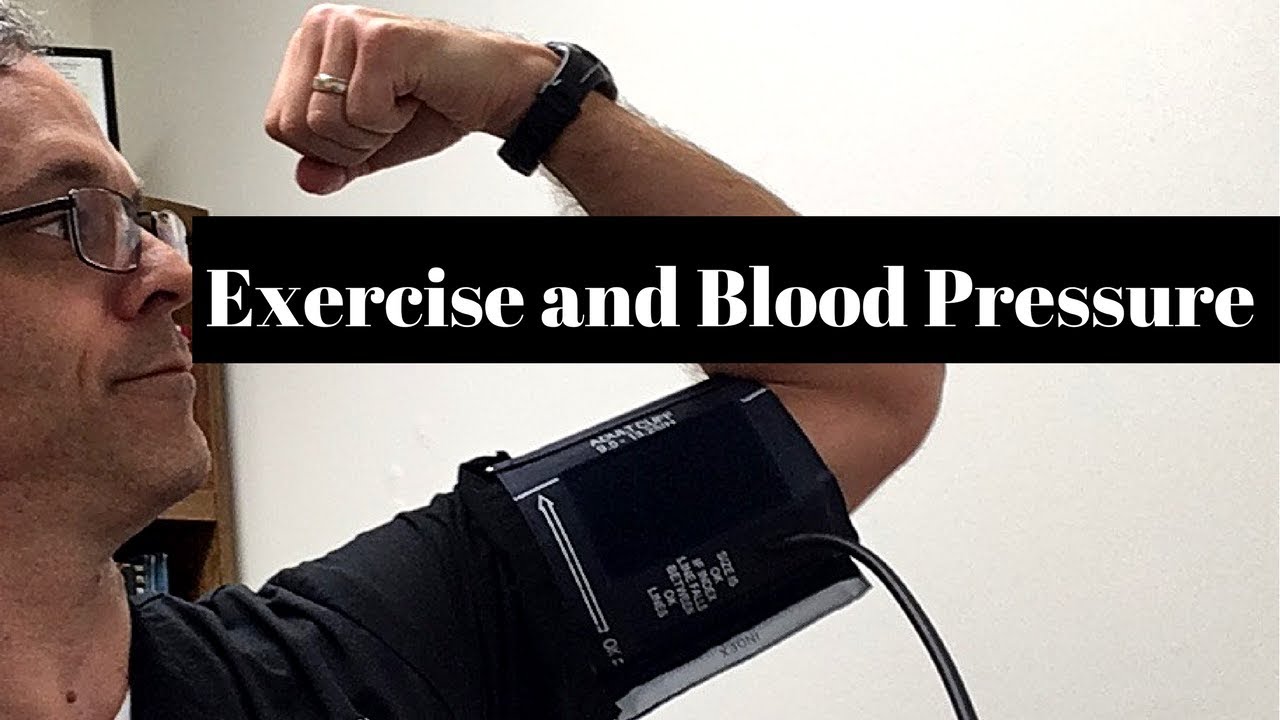
Dr. Adam J. Story, DC, has spent more than 30 years treating patients with natural lifestyle, nutrition and chiropractic care, and in his latest educational video he takes on one of the most repeated pieces of cardiovascular advice in medicine: that brisk walking and moderate aerobic exercise are the gold standard for lowering blood pressure. He doesn’t dismiss that advice outright, but he argues the research on isometric training tells a more interesting story — one most patients never hear about from their doctor.
- Consistent aerobic training, the kind cited by the National Institutes of Health, produces average reductions of roughly 11 mmHg systolic and 9 mmHg diastolic in hypertensive patients, but typically requires several months of sustained effort.
- Dr. Story highlights isometric exercises — specifically isometric handgrips and wall squats/wall sits — as producing rapid vasodilation through a mechanism involving temporary blood flow restriction followed by a nitric oxide surge on release.
- He warns that essential hypertension patients must consult their treating physician before starting any regimen, since sudden exertion causes acute spikes in intramuscular blood flow and arterial tension.
Walking Remains An Effective Exercise
The conventional prescription hasn’t gone away for good reason. Dr. Story acknowledges that sustained moderate aerobic activity — the kind that keeps large muscle groups working over an extended period, like brisk walking — genuinely improves vascular compliance, arterial elasticity and muscular blood perfusion over time. That’s the physiological basis behind the NIH-cited average drop of about 11 points off the systolic number and 9 off the diastolic number in hypertensive populations. The catch, as he frames it, is the timeline: those gains build over months of consistent training, not days.
For readers looking to build that kind of aerobic base without reinventing their routine, pairing steady cardio with structured interval work like the approach in 10 HIIT Exercises to Lose Belly Fat FASTER can compound the cardiovascular benefit rather than relying on walking alone.
The Isometric Mechanism
Where Dr. Story’s video breaks from the standard script is in his focus on static, or isometric, contractions — think isometric handgrip squeezes and wall squats held against a wall. These exercises briefly cut off blood flow to the working muscle. When the contraction releases, blood rushes back in and triggers a spike in nitric oxide production, which drives rapid vasodilation. That downstream effect, he explains, translates into a measurable drop in resting vascular tone — a different pathway entirely from the slow-building adaptations of traditional cardio.
Static contractions trigger a temporary restriction of muscular blood flow, followed upon release by an influx of blood and a surge in nitric oxide production, which prompts rapid vasodilation and downstream reductions in resting vascular tone.
It’s a mechanism-driven case for exercises that most gym-goers treat as accessory work rather than a centerpiece. Readers who want a broader menu of resistance and bodyweight movements to layer into a routine can look at At Home Bodyweight Exercises, which covers wall-based and bodyweight holds in the same family as what Dr. Story describes.
The Caution Every Patient Needs to Hear
Dr. Story is direct about the risk side of the equation. Any sudden, unmonitored exertion — whether it’s a heavy lift, a hard sprint, or an aggressive isometric hold — causes an immediate acute spike in intramuscular blood flow and arterial tension. For someone already diagnosed with essential hypertension, that spike isn’t a minor inconvenience; it’s a reason to talk to a treating physician first, so medications, baseline risk factors and proper pacing can be worked out before the first rep.
That caution lines up with the disclaimer running through Dr. Story’s broader body of chiropractic and lifestyle content — natural interventions aren’t a substitute for medical monitoring, they’re a complement to it. His clinical background, built over three decades of treating patients with nutrition and chiropractic care rather than pharmaceuticals first, shapes the pitch: exercise as medicine, but medicine that still needs a prescription-level conversation before it starts.
The takeaway from Dr. Story’s video isn’t “stop walking” — it’s that a two-minute wall sit or a handgrip squeeze, done with a doctor’s sign-off, might be doing more for resting blood pressure than the thirtieth minute of a treadmill session ever will.







The Wrestler With No Legs
How to quickly get out of a rut
A heads up on Turmeric as a natural treatment for Arthritis
Why are people so Healthy in Japan?
Are You Drinking Enough Water?