

Living with Schizoaffective Disorder (Experiencing Psychosis, Paranoid Delusions and Hallucinations)
 InfoSearched
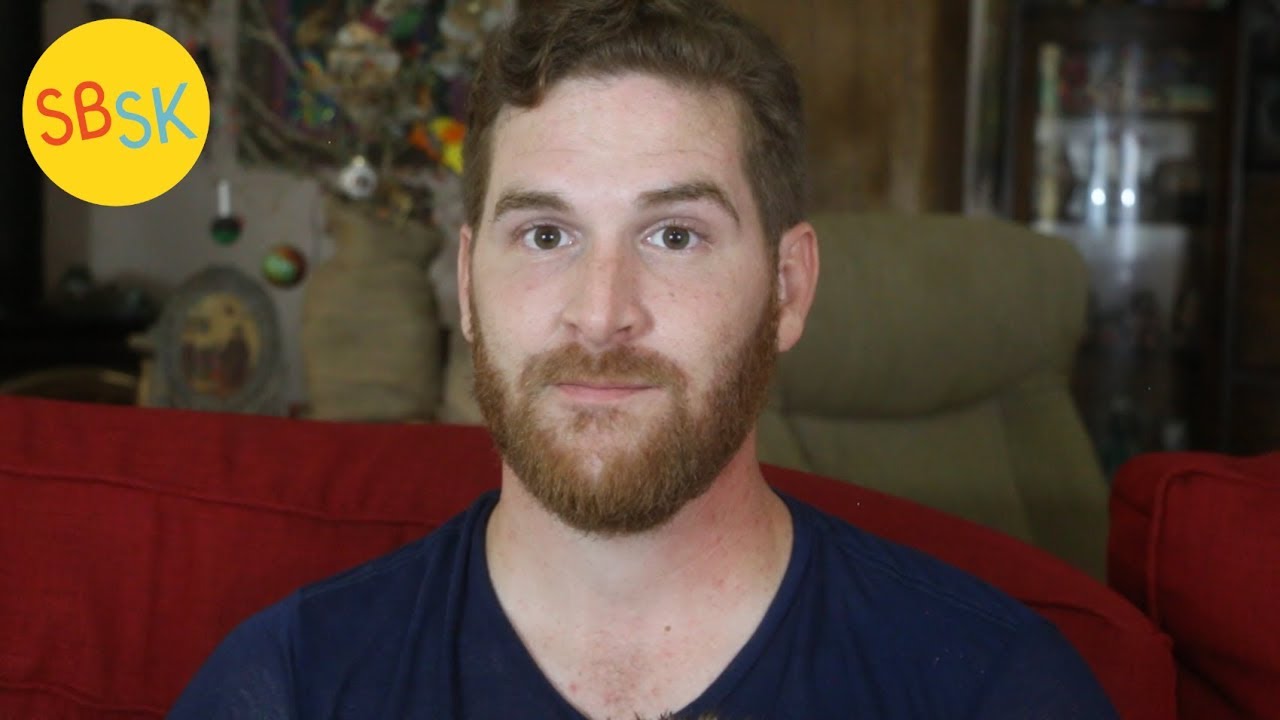
A young man named Daniel sits down to describe a mind under constant siege — and, for once, doesn’t look away from the camera doing it.
The interview, titled “Living with Schizoaffective Disorder (Experiencing Psychosis, Paranoid Delusions and Hallucinations),” comes from Special Books by Special Kids (SBSK), the nonprofit multimedia project founded in 2016 by Chris Ulmer to promote neurodiversity and acceptance around mental health and disability. Ulmer sits with Daniel and lets him talk plainly about what it’s like to live inside psychosis: the voices, the visions, the conviction that someone, somewhere, is always watching. Daniel says he doesn’t know if he’ll ever be happy again — but agreeing to this conversation was itself an act of reaching out.
- Daniel’s diagnoses include schizoaffective disorder, borderline personality disorder (BPD), complex PTSD (CPTSD), depression, an anxiety disorder, and a traumatic brain injury (TBI).
- He describes recurring, overwhelming paranoid delusions centered on the belief that people are constantly monitoring or spying on him, alongside persistent visual and auditory hallucinations.
- Despite expressing doubt that he’ll ever feel genuine happiness again, Daniel chose to do the interview as a rare, deliberate attempt to connect with others.
Six Diagnoses, One Conversation
What makes Daniel’s case difficult to untangle — for clinicians and for viewers alike — is the sheer stack of overlapping conditions he names in the interview: schizoaffective disorder, borderline personality disorder, CPTSD, depression, an anxiety disorder, and a traumatic brain injury. Schizoaffective disorder itself already blends psychotic symptoms with a serious mood disorder, meaning Daniel is managing distorted perception and destabilized mood at the same time, then layering trauma responses and a TBI on top of that. SBSK doesn’t try to simplify that complexity for the sake of a cleaner narrative; the video lets Daniel walk through each label in his own words rather than reducing him to a single diagnosis.
Psychosis, Hallucinations and the Feeling of Being Watched
The core of the interview is Daniel’s description of what psychosis actually feels like day to day — not a clinical definition, but his lived account of visual and auditory hallucinations that intrude regardless of what he’s doing. Central to that experience is a paranoid delusion that recurs constantly: the conviction that he’s being watched or spied on, a belief he says he can’t simply reason his way out of even when he recognizes it isn’t rational.
He doesn’t know if he’ll ever be happy again — but for the first time, he’s reaching out and trying.
That combination — chronic surveillance fears layered on top of hallucinations he can’t turn off — is what drives much of the isolation Daniel describes. It’s a theme echoed elsewhere in coverage of psychotic disorders, including Schizophrenic in 2020 (Coping with the Chaos), where a different subject wrestles with the same disconnect between internal reality and everyday functioning.
Daniel Explains His Decision
Daniel is explicit that he doesn’t know whether recovery is even achievable for him, and he articulates a real fear that genuine happiness may be permanently out of reach. That’s the bleak baseline the interview operates from. But the decision to sit down with SBSK at all is presented as a turning point in itself — a deliberate, uncharacteristic effort to communicate his internal world to strangers rather than retreat further into isolation.
SBSK’s Approach to Demystifying Severe Mental Illness
SBSK’s mission since 2016 has centered on neurodiversity and acceptance across the mental health and disability spectrum, and this interview follows that same first-person format the channel uses across its catalog: no narrator talking over the subject, no clinical voiceover translating the experience for the audience. Chris Ulmer’s role is to ask direct questions and get out of the way, letting Daniel’s own account of paranoid delusions and hallucinations carry the weight instead of a diagnostic summary. That approach is part of why the video reads less like an explainer and more like a testimony — someone describing distorted perception and chronic psychological distress in his own terms, on camera, by choice.





Margot Robbie’s Beauty Routine Is Psychotically Perfect
The Six Minute HIIT and Abs Workout
How the Evolution of Porn Changed Adolescence
The Most PAINFUL Thing a Human Can Experience?? | Kidney Stones
1 MINUTE NAIL ART CHALLENGE