

 InfoSearched
A Vancouver neuroscientist just dismantled everything you thought you knew about your own brain.
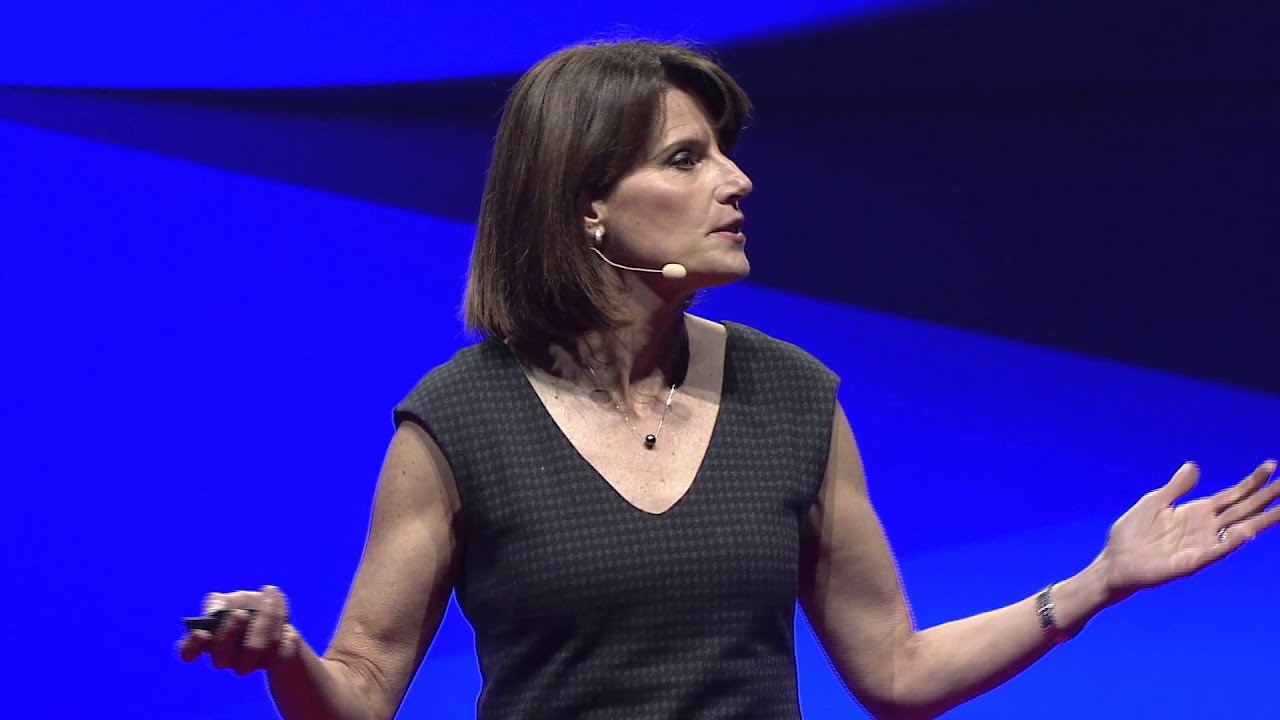
Dr. Lara Boyd, a physical therapist and director of the Brain Behaviour Lab at the University of British Columbia, took the stage at Rogers Arena on November 14, 2015, for TEDxVancouver’s “Identity” event. Her talk, titled “After watching this, your brain will not be the same,” argues that the brain never stops rewiring itself — not in childhood, not in old age, not ever. What she lays out isn’t motivational fluff; it’s a breakdown of the actual mechanisms behind neuroplasticity, drawn straight from her own stroke-rehabilitation research.
- Boyd identifies three distinct mechanisms of neuroplasticity: chemical, structural, and functional change.
- She argues the primary driver of brain change is behavior itself — deliberate, challenging practice produces the most measurable physical change in the brain.
- Because every brain has been shaped by a unique lifetime of experience, Boyd states there is no single learning approach that works the same way for everyone.
Retiring the “Hardwired” Myth
For decades, the working assumption in neuroscience was that the brain’s architecture locked into place after childhood and only degraded from there. Boyd spends the opening of her talk knocking that idea down. Her lab’s work with stroke patients — people relearning motor skills their brains had to physically restructure to recover — became the evidence base she uses to show that adult brains remain fully capable of reorganizing themselves in response to new demands.
That reorganization isn’t abstract. It shows up in scans, in motor performance, and in how quickly a rehabilitating patient regains function when practice is structured correctly. Readers curious about how deliberately reshaping mental habits plays out day to day might find a natural next step in how I tricked my brain to like doing hard things, which covers the same underlying wiring principle from a different angle.
Three Mechanisms, Three Timelines
Boyd breaks neuroplasticity into three concrete categories rather than treating it as one vague process. Chemical changes happen fastest — they shift neurotransmitter concentrations between neurons and underlie short-term memory and early motor-skill gains. Structural changes take longer, physically altering the connections between neurons to lock in long-term memory and durable skills. Functional changes come from repetition: specific brain regions become more excitable over time and reshape entire networks of activity that fire together.
This matters because it explains why a new skill feels awkward at first, gets easier within days, and only becomes truly automatic after sustained repetition — three different biological processes operating on three different clocks.
Every experience, habit, and behavior continuously alters the brain — for better or worse.
Behavior Is the Real Driver
The core insight Boyd returns to is that neuroplasticity doesn’t happen passively. It’s triggered by what a person actually does — specifically, by practice that’s difficult enough to demand something new from the brain. Passive exposure doesn’t produce the same structural change that effortful, repeated challenge does. That’s a distinction with real stakes for anyone trying to build a new skill or recover function after injury, and it lines up with the broader argument made in Your Mind is an Excellent Servant, but a Terrible Master about the discipline required to direct one’s own mental patterns rather than drift through them.
No One-Size-Fits-All Brain
Boyd’s second major point is that because every brain has been sculpted by a distinct lifetime of experience, there’s no universal formula for learning or rehabilitation. What rewires one person’s brain efficiently may do little for another’s, which is a direct challenge to generic “brain training” programs that promise identical results for every user. In her rehab research, this plays out as individualized practice protocols rather than one-size-fits-all exercises — the same logic explored in “Your Brain Will Change in a Few Seconds”, which looks at how quickly targeted, personalized input can shift neural activity.
Boyd’s closing message is blunt: every choice, habit, and repeated behavior is already changing the brain’s wiring, whether anyone notices or not. The agency, as she frames it, lies in choosing which direction that change goes — deliberately building the brain someone wants rather than letting it drift by default.






6 Reasons You’ve Been Drinking Water Wrong
How to Lose Weight and Get More Energy in 15 Days
Be Calm & Sleepy ???? ASMR for Anxiety
You can grow new brain cells. Here’s how
The Mediterranean Diet Plan, Explained by Rachael Ray