

 InfoSearched
Cutting the grocery bill without cutting the vegetables.
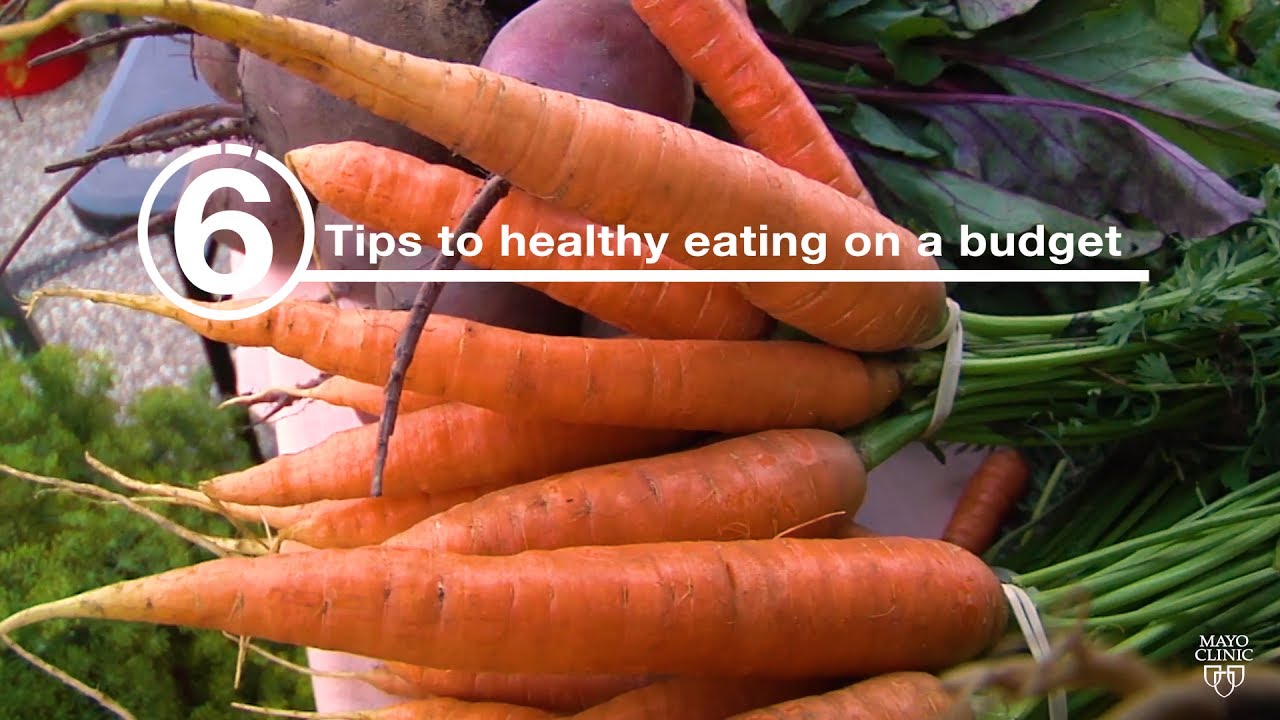
Grocery prices keep climbing, and produce aisles get blamed first when shoppers look for something to trim. The Mayo Clinic News Network pushed back on that assumption in its latest Mayo Clinic Minute, reported by Vivien Williams, sending registered dietitian nutritionist Cathy Deimeke into the aisles to show how a little strategy beats a bigger budget. Her six tips aren’t abstract advice — they’re the kind of specific, checkout-line math that actually changes what ends up in the cart.
- Deimeke says the single biggest money-saver is planning meals for the week and sticking strictly to a grocery list to cut out impulse buys.
- She points shoppers toward local farmers markets for seasonal, locally grown produce and toward buying fruits and vegetables when they’re in season, since that’s when prices bottom out.
- Frozen produce and bulk staples get a specific endorsement — frozen doesn’t spoil like fresh, and buying in bulk beats paying a premium for prepackaged convenience foods.
The List Comes First
Before anyone talks produce prices, Deimeke starts with the basics of the shopping trip itself: plan what you’re cooking for the week, write it down, and don’t deviate once you’re in the store. It sounds almost too simple to be a nutrition tip, but it’s the mechanism behind most of the other five — a shopper working off a list doesn’t grab the impulse items that inflate a bill without adding much nutritionally. It’s the same discipline that shows up in other diet-focused breakdowns of everyday food choices — the fewer decisions you make standing in the aisle, the fewer dollars leak out of the budget.
Timing the Produce Aisle
Deimeke’s next tips are about when and where to buy, not just what. Farmers markets, she notes, tend to sell seasonal, locally grown produce at prices that undercut the grocery store, and buying fruits and vegetables when they’re actually in season is one of the most reliable ways to pay less for the same nutrition. Out-of-season produce shipped from somewhere else costs more because of that distance and timing — buy strawberries in June instead of December, and the price difference on its own justifies planning meals around what’s actually harvesting.
Frozen produce doesn’t spoil the way fresh does — and it’s often cheaper.
Frozen and Bulk as the Budget Backbone
This is the part of the segment that pushes against a common assumption: that “fresh” is always the healthier, better choice. Deimeke makes the case for frozen produce as a legitimate stand-in, since it resists spoilage and often costs less per serving than fresh options that might go bad before they’re used. She pairs that with a case for buying staples in bulk, and a direct warning against high-cost prepackaged convenience items — the pre-cut, pre-portioned foods that carry a markup for labor you could do yourself in a few minutes. The same logic shows up in guidance from roundups of affordable, nutrient-dense staples worth stocking regularly rather than buying as one-off convenience purchases.
Planning as the Common Thread
Every tip in the segment loops back to intentional planning: know what you’re buying, know when to buy it, and know which format — fresh, frozen, or bulk — actually fits the meal and the moment. Deimeke’s framing throughout is that food waste, not the price of vegetables, is what actually drains a grocery budget. A cart built off a list, timed to the season, and stocked with a few frozen and bulk staples ends up costing less than one filled with convenience items that half get thrown out.
The whole segment runs about a minute, but the math behind it plays out weekly at the register — skip the prepackaged snack aisle, hit the farmers market when it’s actually in season, and keep a bag of frozen vegetables in the freezer for the nights the fresh produce didn’t get used in time.






Why are people so Healthy in Japan?
Father Of Two With No Arms Or Legs
I Tried Trippy BREATHWORK
Why Taraji P. Henson Values Mental Health Awareness
Hooked, Hacked, Hijacked: Reclaim Your Brain from Addictive Living