

 InfoSearched
A Bali-based coffee roaster says almost everything you’ve been told about your morning cup is wrong.
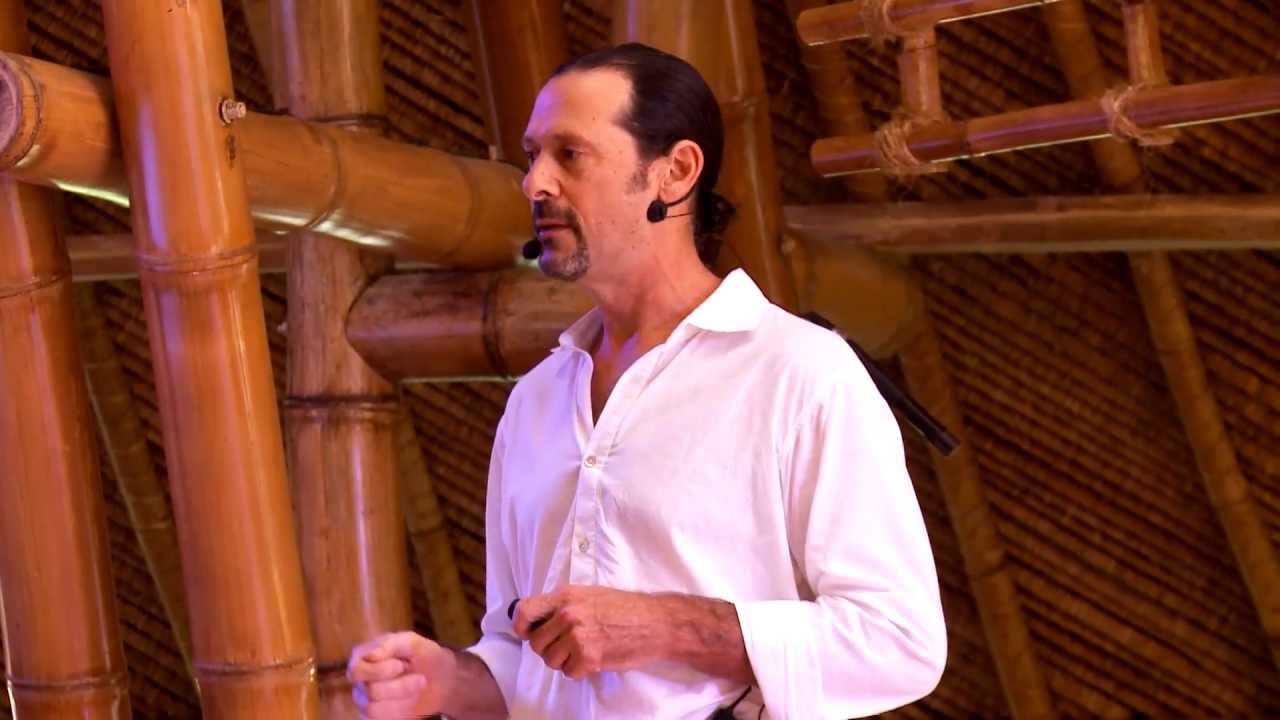
At TEDxUbud, Asher Yaron — founder of F.R.E.A.K. Coffee, short for “Fresh Roasted ‘Enak’ Arabica from Kintamani” — stood up to make an uncomfortable claim about the world’s second-most traded commodity after crude oil. His talk, “What you didn’t know about coffee,” argues that the industry built around this drink has been selling consumers something that’s already dead by the time it reaches the cup. Yaron isn’t a scientist by training; he’s a decade-deep obsessive who moved to Bali, partnered with local farmer I Nyoman Wirata, and built a roasting operation around a single, simple obsession: freshness.
- Yaron says 95% of all coffee consumed worldwide is “100% old, stale and dead” by the time people drink it.
- He claims roasted coffee undergoes more than 1,500 chemical reactions and loses potency within days, dying entirely within a week — with peak espresso quality landing at exactly 11 hours post-roast.
- Yaron contrasts industrial roasters costing $6,000 to $18,000 with a $0.75 tin pan used in indigenous roasting traditions, arguing bigger machinery isn’t what makes better coffee.
The Cherry Behind the Bean
Yaron opens by resetting a basic misconception: coffee “beans” aren’t beans at all. They’re the seeds of a sweet, edible cherry that grows on the Arabica tree, which he demonstrates by holding up a fresh branch grown in Bali. According to his breakdown, roughly 90% of cherries produce two seeds each, while 5% to 10% produce a single rounded seed known in the trade as a “peaberry” — often prized separately by roasters for its concentrated flavor.
That distinction matters because it reframes coffee as an agricultural food product first, not an industrial commodity. Dried green seeds, Yaron notes, are relatively stable and can sit in storage for months or even years without much trouble. The transformation — and the trouble — starts the moment heat hits the seed.
Roasting Initiates Quality Decline
Once a seed is roasted, Yaron says it stops behaving like a shelf-stable good and starts behaving like a living, perishable food. He points to the more than 1,500 chemical reactions that occur during roasting as the reason coffee becomes what he calls a pharmacological resource — potent, but with an expiration clock already running. In his telling, that potency doesn’t last: flavor and chemical vitality begin fading within days, and by the one-week mark, the coffee is functionally dead.
Yaron directly challenges the preservation methods the packaged-coffee industry relies on. Vacuum sealing, nitrogen flushing, and refrigeration, he argues, don’t actually halt the degradation — they just slow the appearance of it while the underlying chemistry keeps breaking down. For anyone who’s leaned on a vacuum-sealed bag from the grocery shelf assuming it’s protecting freshness, that’s the core of his pitch about rethinking what actually counts as fresh food.
95% of coffee consumed globally is “100% old, stale and dead.”
Popcorn, Tin Pans, and the 11-Hour Window
Rather than pushing listeners toward pricier equipment, Yaron does the opposite. He puts an industrial roaster costing $6,000 to $18,000 next to a $0.75 tin pan of the kind used in indigenous roasting cultures, and argues the cheap pan can produce comparably good — arguably fresher — results because it forces small-batch roasting meant for immediate consumption rather than long-term storage and shipping.
He compares the roasting process itself to popping popcorn, describing two audible “cracks” during the roast and advising that cooling should begin right as the louder second crack starts — the signal that the seed has hit the right development point before it tips into over-roasting. From there, based on his own decade of testing in pursuit of what he calls the ideal cup, Yaron says roasted coffee needs several hours to settle chemically, hitting peak potency for espresso at 11 hours after roasting, with a hard freshness cutoff at seven days.
A Challenge to the Health Research
The most pointed part of Yaron’s argument is aimed at the scientific literature people cite when they talk about coffee and health. If his timeline is right — dead within a week, degraded well before that — then the coffee sitting in most lab studies on caffeine and health outcomes isn’t representative of coffee at its biological peak. It’s stale, oxidized product, tested weeks or months removed from roasting, which Yaron says means researchers may be studying the wrong version of the drink entirely.
Whether or not that reframes the broader science, it’s the throughline of his talk: freshness isn’t a marketing word for Yaron, it’s a ticking clock measured in hours, not months, and it’s the reason F.R.E.A.K. Coffee was built around small-batch roasting tied to the Kintamani region rather than mass production for a shelf.




Priyanka Chopra’s All-Natural, DIY Skin Secrets
ASMR Sound & Visual Hypnosis Therapy | Help For Seasonal Depression
10 Healthy Lunch Ideas For Weight Loss
He Was Almost A School Shooter | Aaron Stark
The Surprising Truth About Making Babies Late | Reisa Pollard | TEDxVancouver