

 InfoSearched
Cycling doesn’t just build fitness — GCN’s science team found it rewires the brain in real time.
In the February 2019 episode of GCN Does Science, presenter Simon “Si” Richardson trades the usual power-meter talk for something harder to measure: what a bike ride actually does to your head. Working with researchers from the NIHR Oxford Health Biomedical Research Centre, the segment puts riders through cycling sessions while wearing neuroimaging caps that track brain activity as it happens, not after the fact. The result is a rare look at the mechanics behind why so many cyclists swear the sport keeps them sane.
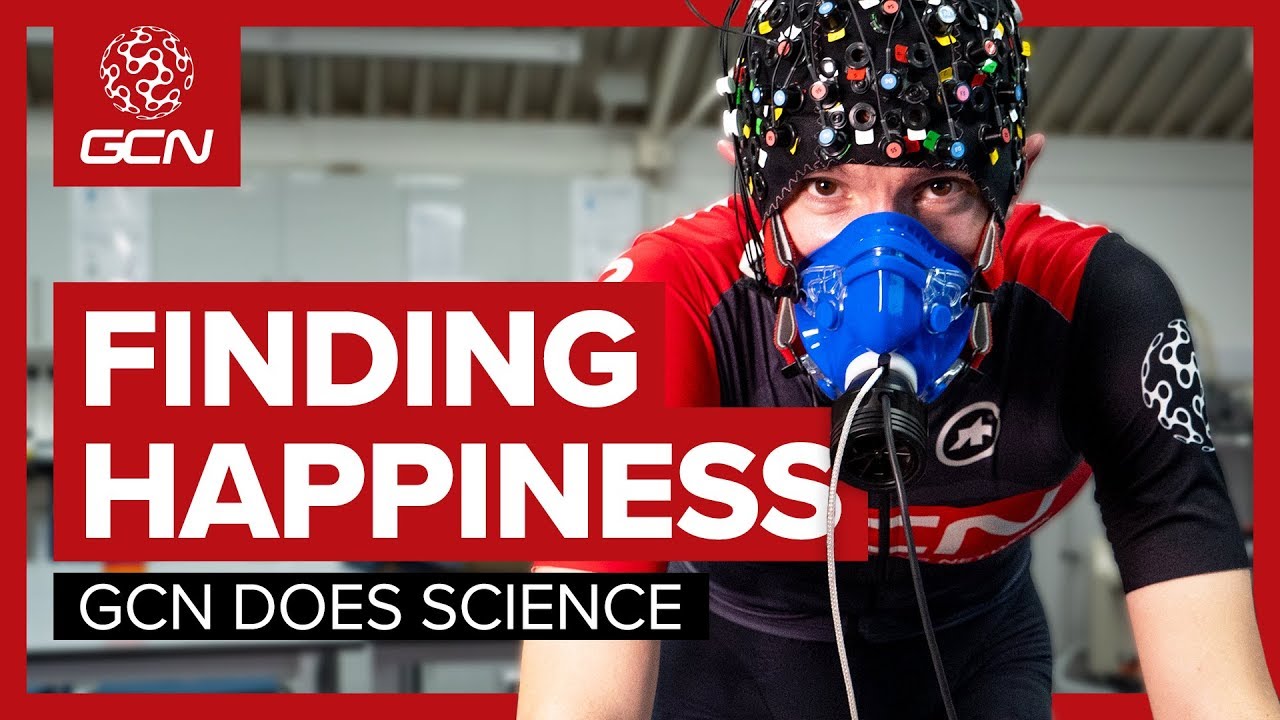
- Researchers used functional near-infrared spectroscopy (fNIRS) systems built by NIRx — wearable caps that measure oxygenation and blood flow in the cerebral cortex while a subject actually rides.
- The Oxford team’s data shows cycling stimulates endorphins, serotonin and dopamine while down-regulating cortisol, the hormone tied to chronic stress and anxiety.
- The video ties these physiological shifts to neuroplasticity and improved cognitive function, framing cycling as a legitimate tool in managing anxiety and depression rather than just a mood boost.
Watching the Brain Work in Real Time
What separates this GCN Does Science episode from a typical wellness segment is the hardware. Instead of relying on before-and-after questionnaires, the NIHR Oxford Health Biomedical Research Centre team fitted riders with fNIRS caps developed by NIRx — a neuroimaging setup normally seen in clinical labs, not on a bike. The caps track how much oxygen is reaching the cerebral cortex and how blood flow shifts as the pedaling starts, giving scientists a live readout of what’s happening inside the skull rather than a subject’s memory of how they felt afterward.
Richardson walks through the setup with the researchers on camera, and the footage shows exactly what a wearable brain-imaging rig looks like strapped to someone mid-ride — a detail that turns an abstract claim about “cycling and mental health” into something you can actually watch happen.
The Chemistry Behind the Ride
The core finding the scientists walk Richardson through is chemical. Rhythmic, aerobic cycling triggers a release of endorphins, serotonin and dopamine — the same neurotransmitters targeted by many treatments for low mood — while simultaneously down-regulating cortisol, the body’s primary stress hormone. Lower cortisol output means less of the physiological load that drives chronic anxiety, and the Oxford researchers frame that combination as the biological engine behind the “clears my head” feeling riders report after a session.
The fNIRS caps let researchers measure oxygenation and blood flow in the cortex while the rider is actually pedaling — not before or after, but during.
That distinction matters. A lot of exercise-and-mood research relies on self-reported surveys taken once the workout is over. Capturing the cortical response live, as the NIHR Oxford team does here, is what gives this particular episode more scientific weight than the average cycling-lifestyle segment.
Neuroplasticity and the Case for Cycling as Therapy
Beyond the immediate mood lift, the researchers point to longer-term adaptations: regular aerobic cycling appears to promote neuroplasticity, the brain’s capacity to form and reorganize neural connections, which in turn supports cognitive function over time. Combined with outdoor exposure and the focused attention that riding demands, the experts interviewed describe cycling as a genuine therapeutic strategy for people managing anxiety and depression — not just a feel-good side effect of getting fit.
That framing lines up with a growing body of work outside cycling specifically. Readers who want the wider context on how everyday habits and body chemistry shape anxiety and depression can dig into this could be why you’re depressed or anxious, which covers similar ground from a different angle, or browse InfoSearched’s Mental Health coverage for more on the science side.
Putting It Into Practice
The takeaway from Si Richardson’s segment isn’t “ride harder” — it’s that consistent, rhythmic aerobic sessions on the bike are doing measurable work on cortisol and neurotransmitter levels, whether or not the rider notices it in the moment. For anyone building a broader routine around that idea, InfoSearched’s rundown of 10 HIIT exercises to lose belly fat faster offers a complementary angle on structuring aerobic work outside of cycling itself.
GCN has built its Does Science strand around exactly this kind of lab-meets-road testing, and this episode is a template for where the series can keep going — pairing a specific research center with wearable measurement gear to answer one focused question at a time. The next logical one, given what the Oxford team already measured here, is how much of that cortisol drop holds up on a long, unglamorous commute versus a hard training ride — a question the caps are already built to answer.









TAOISM | The Fasting of the Heart (An Ultimate Detox)
7 Healthy Recipes For Guilt-Free Snacking • Tasty
10 HEALTHY SNACKS EVERYONE NEEDS TO KNOW! EASY AND QUICK!
The Benefits of Ashwagandha
New Bill Allows Oregon Students To Take ‘Mental Health Days’ | NBC Nightly News