

 InfoSearched
A UC Berkeley neuroscientist just made the strongest public case yet that skipping sleep is quietly wrecking your body.
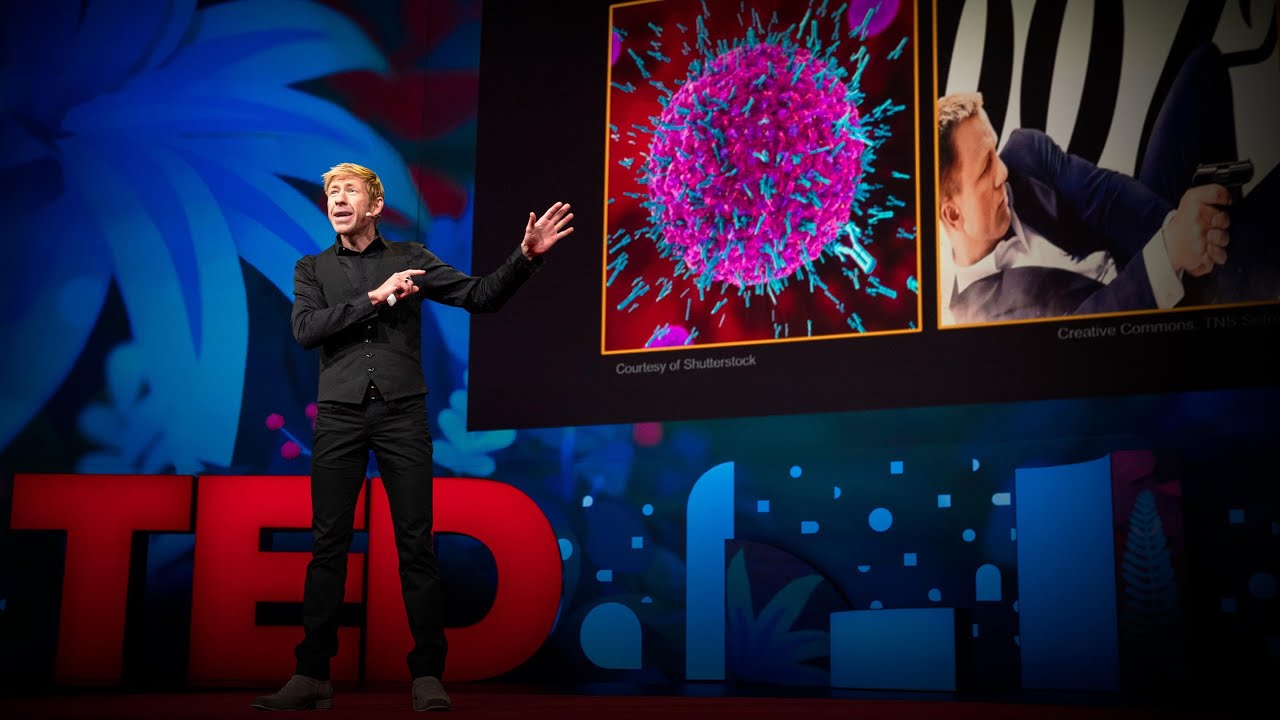
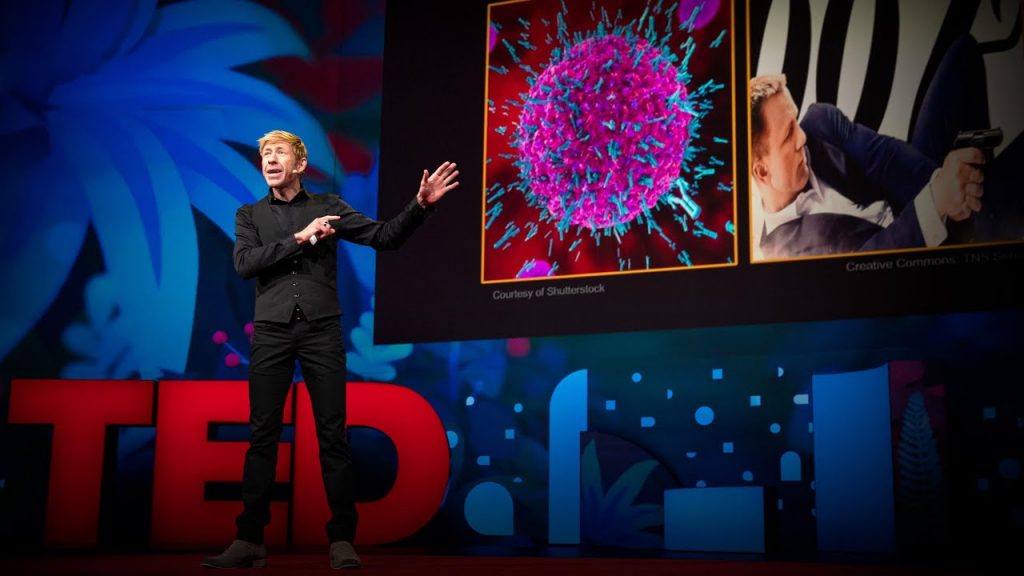
At TED2019 in Vancouver, Matthew Walker walked onto the main stage and opened with a line designed to make the room squirm: men who sleep five hours a night have measurably smaller testicles and testosterone levels that match someone a decade older. From there, the UC Berkeley professor of neuroscience and psychology, and director of the school’s Center for Human Sleep Science, spent 19 minutes laying out exactly what a shortened night does to your brain, your immune system, and your genes.
The talk, titled “Sleep is your superpower,” runs through hard data rather than wellness platitudes — hippocampal shutdown, natural killer cell counts, gene expression changes. Walker’s core argument is that sleep isn’t a lifestyle choice sitting next to diet and exercise; it’s the biological floor everything else is built on.
- Men sleeping just five hours a night show testosterone levels equivalent to someone ten years older, with comparable reproductive impairments documented in women.
- Brain-imaging studies show a 40 percent deficit in forming new memories after a single all-nighter, because sleep deprivation shuts down hippocampal activity.
- A single night of four-hour sleep cuts natural killer cell activity by 70 percent — an immune collapse Walker links to elevated cancer risk.
The Reproductive and Hormonal Toll
Walker’s opening statistic wasn’t a throwaway shock line — it set up the talk’s central theme, that sleep loss reads directly on hormone panels and reproductive tissue. Men restricted to five hours of sleep showed a marked reduction in testicular size alongside testosterone levels comparable to someone ten years their senior. Walker noted equivalent impairments show up in female reproductive health markers, meaning the hormonal cost of short sleep isn’t a men’s-only problem.
Memory Formation and the Hippocampus
Walker turned next to cognition, presenting brain-imaging research showing a 40 percent deficit in the ability to form new memories following an all-nighter. He described the hippocampus as the brain’s informational “inbox” — when sleep-deprived, that inbox effectively shuts down, and incoming information bounces rather than sticking. Anyone piecing together their own wind-down routine might find it useful alongside a technique like the US military’s fast-sleep method, which targets the same problem from the opposite direction — getting the brain into the deep-sleep state Walker says memory consolidation depends on.
During deep sleep, Walker explained, synchronized slow brainwaves paired with electrical bursts called sleep spindles function like a file-transfer system, physically moving memories from short-term holding into permanent long-term storage. Skip that stage enough nights in a row, and the transfer simply doesn’t happen.
Immune Collapse and Genetic Disruption
The immune-system section delivered the talk’s second gut-punch statistic: restricting sleep to four hours for a single night slashed natural killer cell activity by 70 percent, a state of acute immune deficiency Walker connected to elevated cancer risk. He extended the point to chronic short sleep, which he said downregulates immune genes while upregulating tumor-promoting, inflammatory, and cardiovascular stress genes — a genetic profile that compounds night after night rather than resetting.
Sleep is “not an optional lifestyle luxury” but a “nonnegotiable biological necessity” and “Mother Nature’s best effort yet at immortality.”
Daylight Saving Time as a Global Experiment
To make the cardiovascular argument tangible, Walker pointed to daylight saving time as a built-in, worldwide natural experiment. Losing a single hour of sleep twice a year, he argued, produces a measurable spike in cardiovascular strain across entire populations — evidence, in his framing, that the damage from lost sleep isn’t hypothetical or slow-building but shows up almost immediately in the data. He closed by calling sleep loss a silent public health epidemic and pushed back directly on the idea that resting is lazy.
Walker’s talk landed at TED2019 alongside a broader wave of interest in sleep science, and for anyone chasing the deep-sleep stage he described, the practical next step is the same one sleep researchers have pushed for years — protect seven to nine hours, keep it consistent, and treat the wind-down routine with the same seriousness as the workout or the diet.





What you didn’t know about coffee
6 Beauty Tips To Look MORE Handsome *Game Changer*
Tony Horton’s Insane Home Gym Tour
30 Days of Alternate-Day Fasting – 10lbs of Body Fat (Before & After)
I went Vegan for 30 Days – Here’s how it affected my health…