

 InfoSearched
A licensed clinician just fact-checked Hollywood’s favorite mental illness clichés, frame by frame.
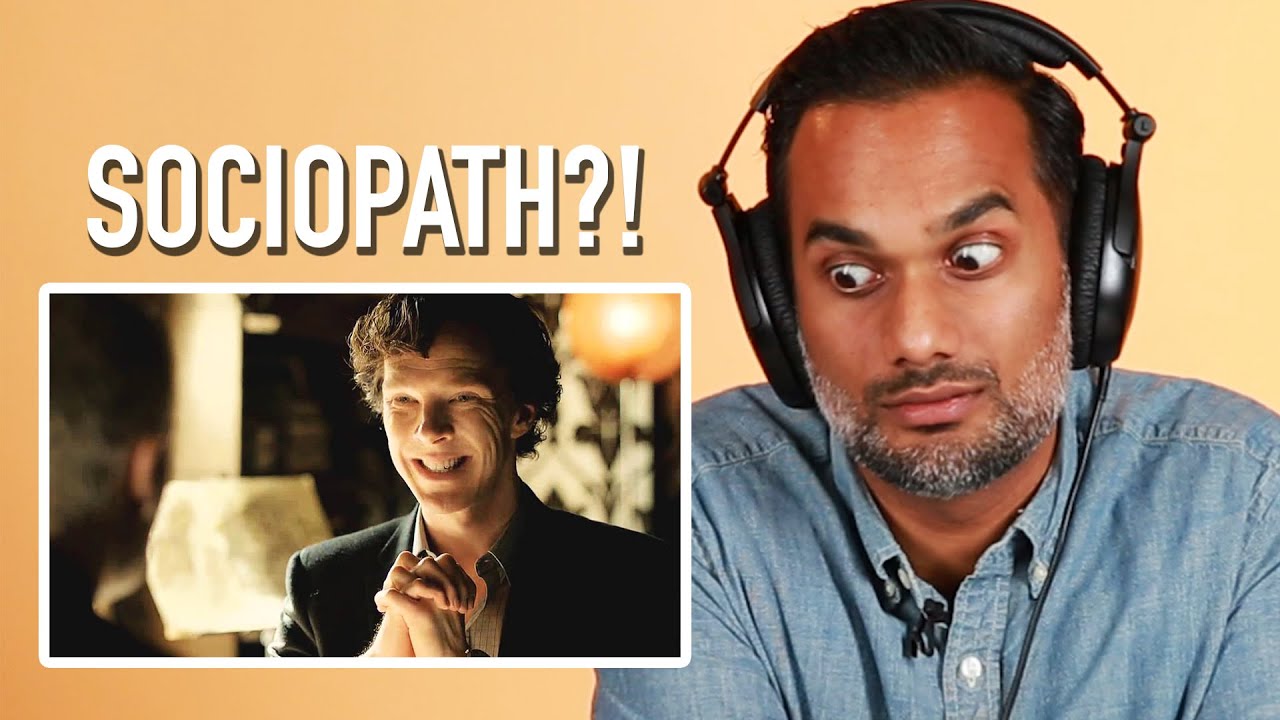
BuzzFeedVideo dropped “Real Psychologist Reviews Mental Illness In Movies” on October 11, 2018, handing the microphone to Dr. Ali Mattu, a clinical psychologist at Columbia University Medical Center and the creator of “The Psych Show.” Over 12 minutes and 9 seconds, Mattu runs through a lineup of familiar cinematic scenes and grades them against actual clinical criteria rather than screenwriter shorthand. He’s not there to ruin movie night — he’s there to explain where the drama ends and the diagnosis begins.
- Dr. Ali Mattu, a clinical psychologist at Columbia University Medical Center and creator of “The Psych Show,” hosts the 12-minute, 9-second BuzzFeedVideo breakdown.
- Mattu specializes in anxiety disorders and cognitive behavioral therapy, and evaluates well-known scenes for clinical accuracy rather than dramatic effect.
- The video singles out films including Split, The Silence of the Lambs, One Flew Over the Cuckoo’s Nest, A Beautiful Mind, Silver Linings Playbook, and The Perks of Being a Wallflower as case studies in what Hollywood gets right and wrong.
Hollywood Continues Relying on Tropes
Mattu’s central complaint isn’t that filmmakers depict mental illness — it’s how often they use it purely as a plot mechanism. Characters with psychiatric conditions frequently get written as ticking time bombs, there to generate a twist or a jump scare rather than to reflect how these disorders actually present in a clinical setting. That shortcut has been a staple of the genre for decades, and Mattu treats it as the root problem before he ever gets to a specific title.
He points to Split as a textbook example: the film builds its entire suspense engine around a character with dissociative identity disorder who becomes violent and dangerous. Mattu’s clinical read is blunt — DID doesn’t correlate with violence, and people living with the condition are statistically far more likely to be victims of abuse than perpetrators of it. Stacking a horror-movie villain on top of a real diagnosis, he argues, does concrete damage to how audiences perceive anyone who actually carries that label.
Grading the Classics Against the DSM
The review doesn’t stop at modern thrillers. Mattu walks through older prestige titles that shaped decades of public perception, including The Silence of the Lambs and One Flew Over the Cuckoo’s Nest, checking their portrayals of institutionalization and personality disorders against what clinicians actually observe in practice. A Beautiful Mind gets scrutiny too, particularly for how it visualizes schizophrenia through literal hallucinated characters rather than the auditory and cognitive symptoms most patients describe.
People with mental health conditions are far more likely to be victims of violence than the ones committing it.
That distinction matters because these films don’t just entertain — they become the reference point millions of viewers use when they imagine what a psychiatric diagnosis looks like. Mattu’s argument is that repeated exposure to the “dangerous and unpredictable” template makes it harder for real patients to be believed, hired, or treated with basic dignity once they disclose a diagnosis.
The Movies That Actually Get It Right
Not every title in the video gets a red flag. Mattu holds up Silver Linings Playbook and The Perks of Being a Wallflower as closer approximations of lived experience — films that show characters struggling with mood and anxiety symptoms while also depicting therapy, medication, and support systems as part of the recovery process rather than as afterthoughts. For a clinician who spends his career on cognitive behavioral therapy for anxiety disorders, that’s the detail that separates responsible storytelling from exploitation: showing the treatment, not just the crisis.
Readers looking for a deeper dive into how anxiety and mood symptoms actually function day to day, outside of a movie script, can find more grounded breakdowns in pieces like this could be why you’re depressed or anxious, which covers the same territory Mattu is pushing back against — the gap between the cinematic version of a diagnosis and the clinical one.
Framing Impacts Longterm Industry Success
Mattu’s broader point is that stigma isn’t an abstract cultural mood — it’s a barrier that keeps people out of treatment. When someone’s only reference for a panic attack or a dissociative episode is a horror-movie set piece, seeking help can feel like admitting to something monstrous rather than something treatable. That’s the same territory covered in Schizophrenic in 2020 (Coping with the Chaos), which walks through what living with the condition actually looks like day to day, far from the “split personality” shorthand movies love to lean on.
Mattu wraps the video the way he opens his own sessions — not by telling people to boycott their favorite thrillers, but by asking them to notice the gap between the character on screen and the person sitting across from them in real life. “The Psych Show” has built its whole audience on that exact pitch, and this BuzzFeed crossover is just the biggest stage he’s had for it yet.








15 Reasons Why Highly Intelligent People Struggle With Love
Why One Meal A Day Is Good For You | The Unknown Secret
32 GENIUS BEAUTY TIPS FOR GIRLS
5-Minute Workout That Replaces High-Intensity Cardio
“Monks do this all the time”