

 InfoSearched
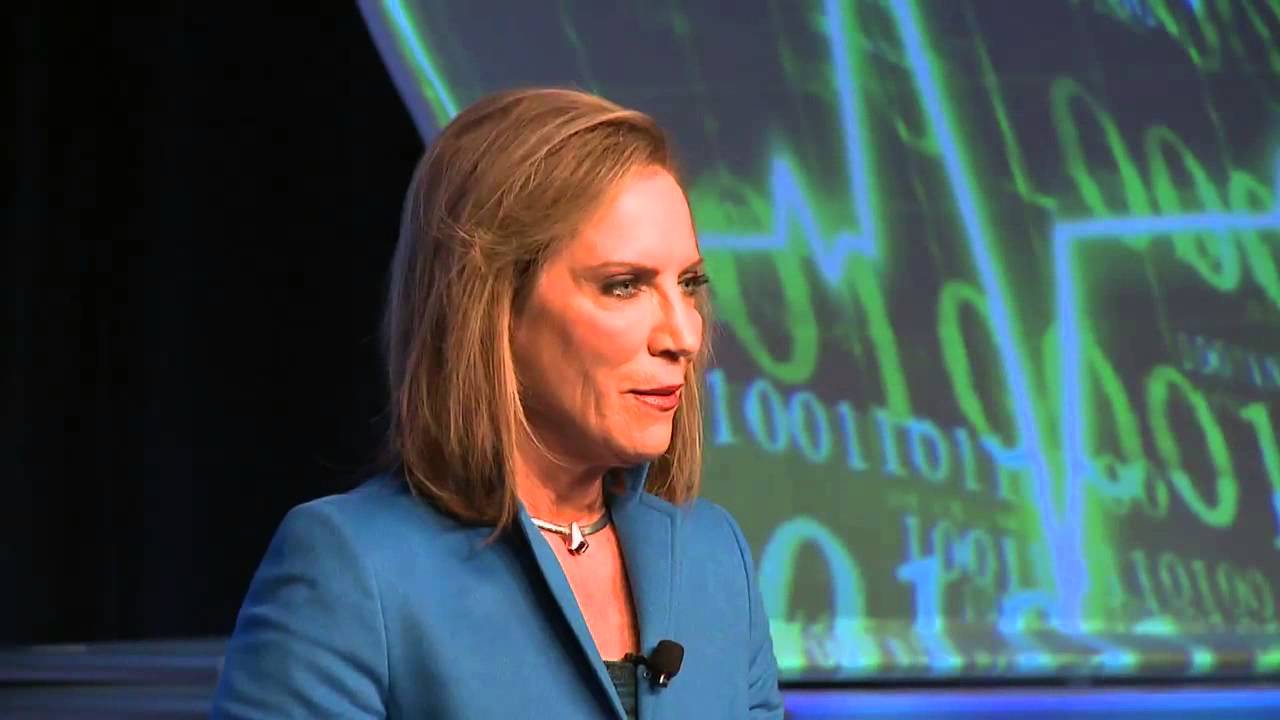
A physician stands on the TEDxWallStreet stage and tells the audience their brains have already been hijacked — by their phones, their stress, and their Oreos.
Dr. Pamela Peeke, the physician-scientist known for translating hard neuroscience into plain English, used her TEDxWallStreet talk “Hooked, Hacked, Hijacked: Reclaim Your Brain from Addictive Living” to argue that addiction isn’t confined to drugs and alcohol anymore. She lays out how everyday coping mechanisms — screens, overwork, hyper-palatable food — rewire the same reward circuitry that gets hit by narcotics. Then she makes the case that the damage isn’t permanent.
- Peeke presents PET neuroimaging showing addictive substances and behaviors blunt dopamine receptors and weaken the prefrontal cortex, the brain’s “smarty-pants” region for decision-making and impulse control.
- She cites animal research in which lab rats bypassed cocaine and morphine to eat the sugary cream filling out of Oreo cookies, evidence that refined sugar can trigger reward pathways as intensely as hard narcotics.
- Peeke frames the fix around epigenetics — the idea that lifestyle changes can alter gene expression — and prescribes recovery through what she calls “mind, mouth, and muscle.”
Redefining Addiction for the Wall Street Crowd
Speaking to an audience built around finance and high performance, Peeke widens the definition of addiction beyond chemical dependency. She describes “false fixes” — the reflexive reach for a phone, a drink, a candy bar, or another sixteen-hour workday — as coping strategies that modern stress has normalized. In her telling, the behavior itself doesn’t have to involve a controlled substance to hijack the brain’s reward system; chronic overwork and constant screen time produce the same neurological signature as substance abuse.
PET Scans Reveal Diagnostic Findings
Peeke doesn’t ask the audience to take her word for it — she puts the neuroimaging on the screen. The PET scans she displays show diminished activity in the brain’s reward center among people caught in addictive patterns, alongside a measurable drop in executive function inside the prefrontal cortex. That’s the region responsible for weighing consequences and controlling impulses, and Peeke’s point is that when it goes dark, the ability to say “no” to the next drink, scroll, or second helping goes with it.
The Oreo Experiment
The most vivid moment in the talk is the sugar research. Peeke references studies in which lab rats, given a choice between narcotics and the cream filling scraped out of an Oreo, chose the cookie — a result she uses to argue that refined sugar, fat, and salt can trigger the brain’s reward pathways with the same intensity as cocaine or morphine.
Given the choice, lab rats bypassed cocaine and morphine to lick the sugary filling out of an Oreo cookie.
It’s a jarring image precisely because Oreos aren’t regulated, prescribed, or age-restricted — they’re in the vending machine down the hall. Peeke’s argument is that the industrial food supply has engineered products to hit the same receptors as drugs of abuse, just without the warning label.
Mind, Mouth, and Muscle: The Way Back
Peeke’s closing pitch is that none of this damage is a life sentence. Leaning on epigenetics, she tells the crowd that the reward center and prefrontal cortex can repair themselves once the destructive inputs stop and healthier ones take their place. Her framework — mind, mouth, and muscle — calls for replacing compulsive coping with genuine dopamine-stimulating activity, swapping processed food for real nutrition, protecting sleep, and moving the body regularly. Readers looking to put that last piece into practice can find a starting point in 10 HIIT Exercises to Lose Belly Fat FASTER, and anyone rethinking the caffeine-and-sugar loop Peeke describes might start with Why I’ll NEVER Drink Caffeine Again After Learning This.
Peeke’s talk doesn’t end with a diet plan or a detox program — it ends with a challenge to notice which “false fix” you reach for first, whether that’s the phone on the nightstand or the sleeve of cookies in the pantry, because according to her own research, that’s the exact circuit epigenetics says you can still rewire.








My School Crush Rejected Me – So I Got Shredded
EASY 5 Minute Breakfast Recipes | Healthy Breakfast Ideas
Explain generalized anxiety disorder, panic disorder, and social anxiety. disorder?
A simple way to break a bad habit | Judson Brewer
Healthy Vegan School Lunch Ideas – BENTO BOX