

 InfoSearched
Acne is the most common skin condition in America, and getting the type wrong means getting the treatment wrong.
Nearly 50 million Americans deal with some form of acne every year, according to the American Academy of Dermatology, and the condition doesn’t discriminate by age — teenagers, pregnant women, and adults well into their 40s all show up in dermatology offices asking the same question: why won’t this clear up? The answer, according to clinical guidance from Providence Swedish, usually comes down to misdiagnosing which category of acne is actually on the skin. Salicylic acid works wonders on a clogged pore and does almost nothing for a nodule buried under the surface.
- Acne splits into two broad categories — non-inflammatory comedones (blackheads and whiteheads) and inflammatory lesions (papules, pustules, nodules, and cysts) — each requiring a different treatment approach.
- Mild cases typically respond to over-the-counter salicylic acid, adapalene, or benzoyl peroxide, while severe nodulocystic breakouts carry real risk of permanent pitting and scarring.
- Deep-tissue inflammation is largely unresponsive to topical washes, which is why dermatologists push physician evaluation for oral antibiotics, hormonal modulators, or isotretinoin in severe cases.
Blackheads and Whiteheads Start With a Blocked Pore
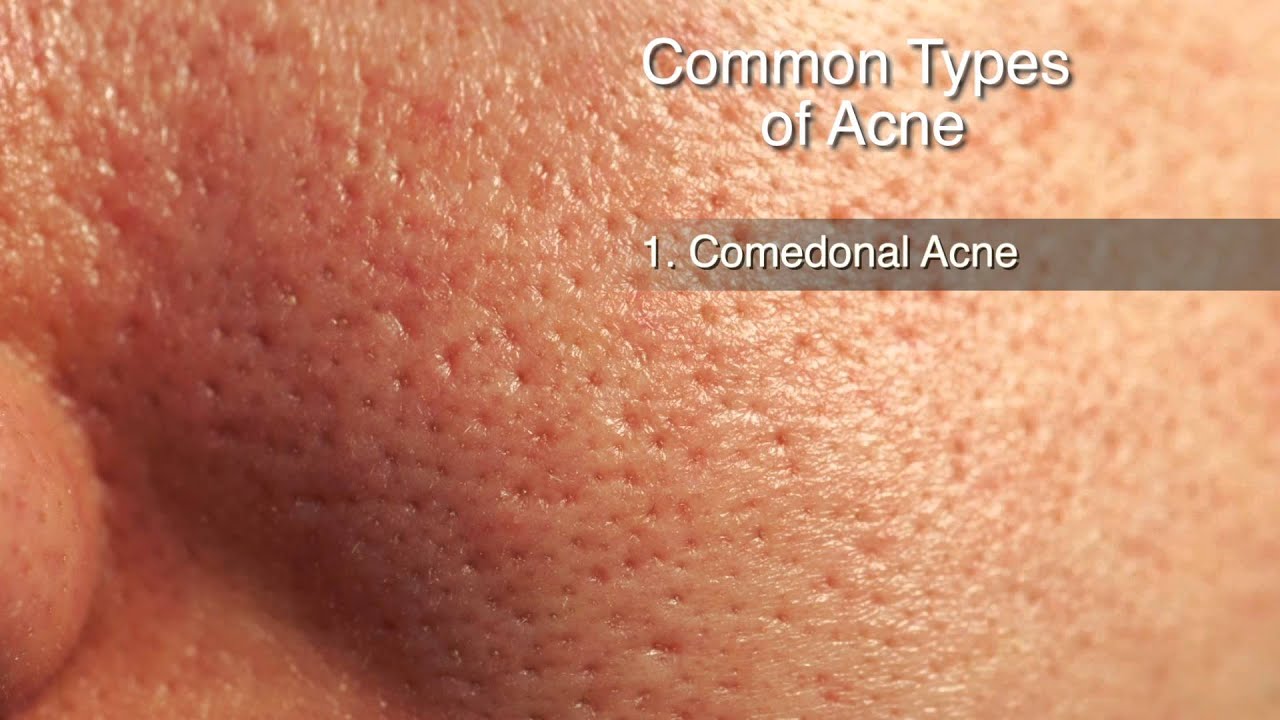
Comedones form when a hair follicle gets blocked by a mix of sebum, dead skin cells, and bacteria — no inflammation involved yet. If the follicle opening stays dilated and exposed to air, the trapped melanin and lipids oxidize and darken, producing the classic blackhead, or open comedone. When skin grows over that same blockage instead, it seals into a whitehead, or closed comedone.
Because these lesions aren’t inflamed, they respond well to consistent over-the-counter care. Salicylic acid chemically exfoliates inside the pore, adapalene — a topical retinoid now sold without a prescription — helps normalize how skin cells turn over, and benzoyl peroxide keeps Cutibacterium acnes bacteria (the renamed P. acnes) from multiplying in the first place. Readers already dialing in a routine around this stage might find useful cross-reference in 8 Beauty Tips / Hacks I ACTUALLY Swear By!, which covers product habits that either help or hurt clogged pores.
Papules and Pustules Mark the Inflammatory Stage
Inflammatory acne kicks in when bacterial growth breaks down the follicle wall and spills debris into the surrounding dermis. That produces two superficial stages: papules, small tender red bumps with no visible fluid, and pustules, inflamed bumps topped with a distinct yellow or white pus center — what most people just call a pimple or a zit.
Mild-to-moderate inflammatory breakouts don’t clear overnight. Providence Swedish’s guidance notes that consistent, multi-week application of benzoyl peroxide, topical retinoids, or prescription topical antibiotics is typically required before results show — not the three-day fix people expect from a single spot treatment.
Standard topical washes are largely ineffective for deep-tissue inflammation — nodulocystic breakouts require physician evaluation, not another over-the-counter product.
Nodules and Cysts Carry the Highest Scarring Risk
The severe end of inflammatory acne includes nodules — hard, painful, solid lesions that extend deep beneath the skin — and cysts, larger, softer, pus-filled lesions sitting even deeper in the tissue. Dermatologists flag these as the presentations most likely to leave behind permanent pitting and textural scarring, which is why waiting them out with drugstore products is discouraged.
Because topical washes can’t reach that depth of inflammation, clinical management for nodulocystic acne moves to systemic treatment: oral antibiotics, hormonal modulators for cases tied to androgen fluctuations, or oral isotretinoin for the most stubborn, scarring-prone cases. That’s the point where a dermatologist visit stops being optional. Anyone tracking acne alongside hormonal shifts — pregnancy being the most common trigger outside puberty — may find added context in Pimples During Pregnancy?, which walks through product choices for that specific window.
Matching Treatment to the Lesion, Not the Breakout
The throughline across every category is the same: comedones respond to exfoliation and cell-turnover normalization, papules and pustules need weeks of consistent anti-bacterial and anti-inflammatory treatment, and nodules or cysts need a doctor rather than another tube of cream off the shelf. Grabbing the wrong tool for the wrong lesion is the single biggest reason people stay stuck in a breakout cycle for months instead of weeks.
For anyone staring at a stubborn nodule that’s been there for three weeks and reaching for another round of salicylic acid — stop. That’s the exact scenario dermatologists point to when they say systemic treatment, not another topical, is what actually stops the scarring before it starts.









I went Vegan for 30 Days – Here’s how it affected my health…
Full Leg Workout for Bigger Stronger Legs (LEG DAY WORKOUT!)
10+ Best Exercises to Get Rid of Chest Fat
Hooded Eyes Do’s & Don’ts!
5 Beauty Tips You NEED to Know