

 InfoSearched
He built a career on having the perfect physique, and it still couldn’t stop his spine from locking up.
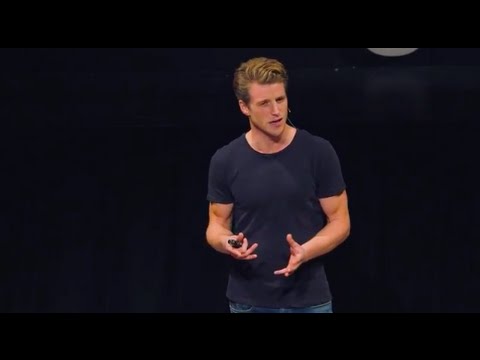
Roger Frampton spent years on runways for Ralph Lauren, Vivienne Westwood and Calvin Klein, the kind of career that demands visible abs and a body that reads as effortlessly fit under studio lights. Off the runway, he could barely touch his toes. At TEDxLeamingtonSpa, the model-turned-movement-coach used his own contradiction — a six-pack paired with a stiff, immobile spine — to make the case that modern sitting habits are quietly wrecking the human body, and that the gym industry has been selling the wrong fix for decades.
- Frampton, a runway model for brands including Ralph Lauren, Vivienne Westwood and Calvin Klein, developed chronic back stiffness and poor functional mobility despite his lean, muscular appearance.
- He studied gymnastics, calisthenics and biomechanics to build what he calls the “Frampton Method,” aimed at restoring natural human movement rather than chasing muscle size.
- The talk, published by TEDx Talks on March 29, 2016, argues that children are born able to squat deeply and move freely, and that years of chair sitting in classrooms and offices gradually locks the hips and shortens the hamstrings.
A Model’s Hidden Injury
Frampton’s pitch to the TEDxLeamingtonSpa audience wasn’t theoretical — it was personal. He had the look the fashion industry wanted: lean, defined, camera-ready. What he didn’t have was a spine that moved the way it was supposed to. Years of sitting, combined with training methods built around aesthetics rather than joint function, had left him stiff in ways that no amount of visible muscle could disguise.
That gap between how a body looks and how it actually functions became the spine of his talk. He wasn’t interested in convincing anyone he was out of shape. He was interested in showing that “in shape,” as the fitness industry defines it, often has nothing to do with whether a person can move well.
Children Exhibit Superior Squatting Mechanics
Frampton points to something almost every parent has noticed and never thought twice about: toddlers drop into a full, deep squat without effort, heels flat, spine neutral, and hold it for as long as they want. Adults, by contrast, often can’t get within a foot of the floor without their heels lifting or their lower back rounding. According to Frampton, that’s not aging — it’s accumulation. Years of school desks and office chairs progressively lock the hips into a seated position, shorten the hamstrings, and compromise the natural curve and function of the spine.
The body, he argues, adapts to whatever position it spends the most time in. Sit eight hours a day for twenty years and the hips, hamstrings and lower back reorganize themselves around that shape — which is exactly why a return to full mobility takes deliberate, daily work rather than an occasional stretch.
The Fitness Industry’s Blind Spot
Frampton takes direct aim at conventional gym culture in the talk, criticizing an industry built around isolated muscle “pumps,” stacked plates and rep counts rather than joint integrity and range of motion. A person can bench press heavy weight and still be unable to rotate a shoulder through its full arc, or squat with a straight spine. That disconnect, he says, is the blind spot at the center of modern fitness.
You can build a six-pack and still not be able to touch your toes. That’s not fitness — that’s decoration.
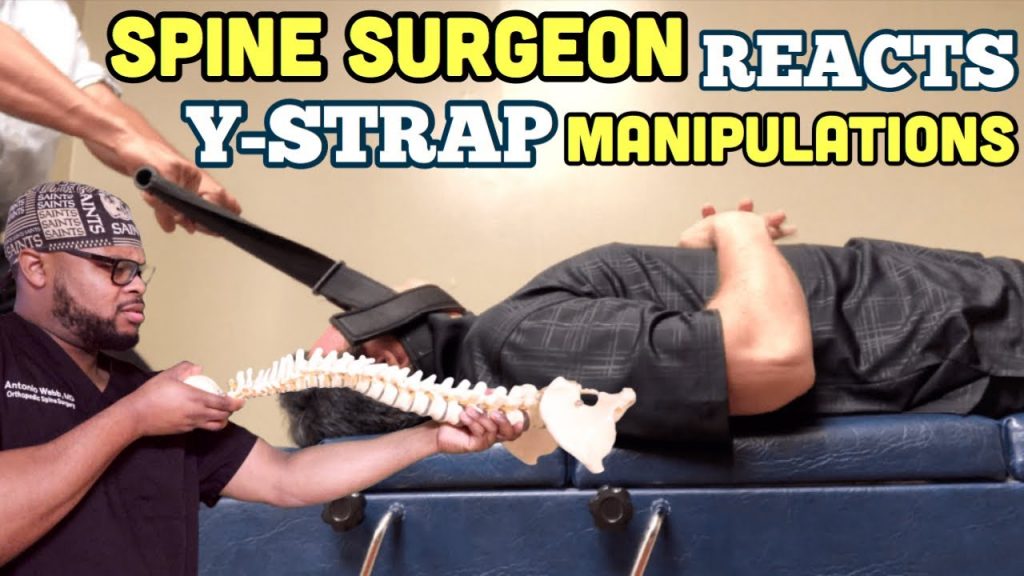
It’s a critique that echoes concerns raised elsewhere about how spinal health gets treated as an afterthought in mainstream training, a theme covered in detail in this spine surgeon’s breakdown of back manipulation techniques. Frampton’s argument runs parallel: chasing muscle size while ignoring joint function is a trade that eventually costs more than it earns.
The Frampton Method
Frampton’s answer isn’t more equipment — it’s less sitting and more natural movement. He advocates simple bodyweight drills, standing more throughout the day, and daily mobility work aimed specifically at the hips, hamstrings and spine, the areas he says suffer most from chair-based living. The goal isn’t aesthetic; it’s what he calls physical independence — the ability to move through a full range of motion without pain, well into old age, rather than relying on a strength number that means little if the joints behind it don’t work.
That emphasis on daily, low-equipment mobility work lines up with approaches covered in this six-month calisthenics transformation, where bodyweight training rather than machines became the tool for rebuilding functional strength from the ground up.
Frampton’s talk never asks anyone to quit their desk job. It asks them to notice how much of the day they spend locked into one shape, and to spend a few minutes every day undoing it — the deep squat a toddler does without thinking being, in his telling, the whole blueprint for getting it back.






How to Treat Your Thinning Hair Holistically and Thicken it Without Surgery
8 MINUTE AB WORKOUT | 2018
We Try Quitting Added Sugar For A Month
11 Optical Illusions That’ll Reveal Your Personality Type
Hooked, Hacked, Hijacked: Reclaim Your Brain from Addictive Living