

 InfoSearched
Some relationships don’t cost money — they cost your energy, your confidence, and eventually your peace.
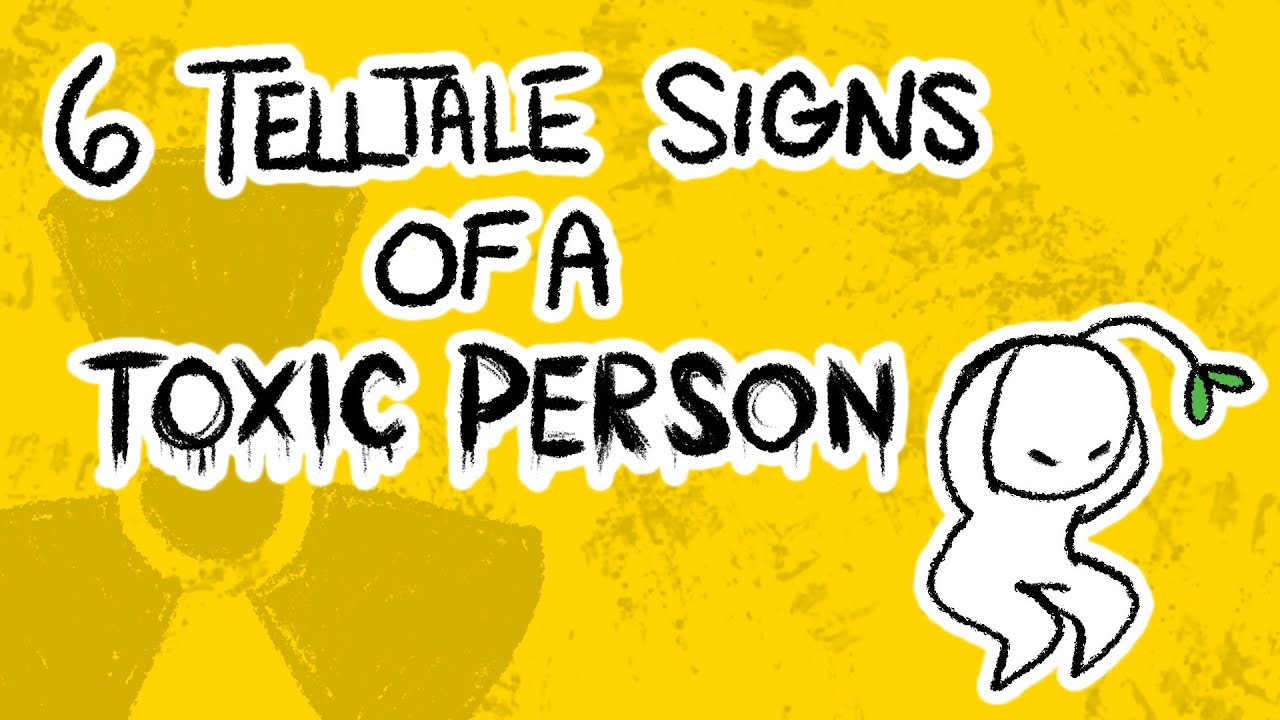
Psych2Go, the animated psychology channel built around bite-sized behavioral breakdowns, released “6 Signs of a Toxic Person” to give viewers a working checklist for spotting the people quietly draining them. The video doesn’t deal in vague warnings — it lays out six specific, recognizable behaviors that show up in friendships, families, and workplaces alike. The goal, according to the channel, is simple: name the pattern before it costs you your motivation and self-esteem.
- The video defines a toxic person as someone who exploits others and drains their energy through needless drama.
- The leading sign identified is chronic complaining paired with a refusal to take responsibility — toxic individuals blame others for their own failures rather than owning them.
- The full list runs six traits: constant complaining, pervasive negativity, lack of empathy, manipulation, possessiveness, and relentless judgment.
The Complaint Habit That Never Stops
Psych2Go opens with what it frames as the most telling sign: a person who complains about everything instead of appreciating what they already have. Rather than reflecting on their own choices, they redirect blame outward whenever something goes wrong, refusing to take responsibility for mishaps they helped cause. That pessimism doesn’t stay contained, either — the video notes it tends to be contagious, seeping into the mood of everyone nearby.
The second sign builds directly on the first: a default cynicism that colors how the person sees everything. They fixate on downsides, rarely acknowledge what’s going right, and are quicker to point out other people’s faults than to recognize their effort. Spend enough time around that kind of negativity, Psych2Go argues, and it visibly drains your own energy and enthusiasm.
They will blame others for their failures and mishaps and will never take responsibility for their actions.
Empathy Gaps and Manipulation Tactics
The third sign is a lack of empathy — toxic people, per the video, tend to be self-absorbed and indifferent to how their words and actions land on others. Psych2Go describes this as more than simple insensitivity; it’s an unwillingness to consider anyone else’s well-being, sometimes crossing into cruelty without any visible remorse.
Manipulation is the fourth sign, and Psych2Go breaks down how it typically operates: playing the victim, leaning on guilt, or deploying flattery to get someone to do what they want. Because these tactics are disguised in so many different forms, the video warns it can take time before the pattern is even recognizable as manipulation rather than ordinary persuasion. Readers working through their own self-doubt around these dynamics may find useful grounding in how to eliminate self-doubt and reclaim the power of the unconscious mind.
Possessiveness and the Judgment Trap
Sign five is possessiveness that isn’t justified by the actual closeness of the relationship. Psych2Go describes toxic people trying to control everything — what you say, what you do, who you associate with, the choices you make — turning affection into something clingy and demanding rather than supportive.
The sixth and final sign is constant judgment: holding others to impossible standards, criticizing beliefs and lifestyle choices without weighing the other person’s perspective, and defaulting to criticism even when there’s nothing substantive to critique. Over time, Psych2Go notes, that steady drip of negativity chips away at the target’s self-esteem. Anyone trying to build that self-esteem back up after a toxic exit might find how the ego can betray your genuine self a useful next step, alongside a broader look at how not to take things personally when judgment gets weaponized.
Psych2Go’s closing advice is blunt: identifying these six traits early can save real trouble and heartache down the line, and the fix isn’t complicated — steer clear of the pattern where you can, and put your energy into people who bring encouragement instead of drama.






MUST DO TOTAL BODY 4MIN
12 Ways To Be Healthier
45 Life Lessons Written By A 90 Year Old
The gentle power of highly sensitive people
Do You Often Wake Up Between 3 AM and 5 AM? Here Is What It Means..