

 InfoSearched
Japan’s women live longer than anyone else on Earth, and the reasons come down to what’s on the dinner table.
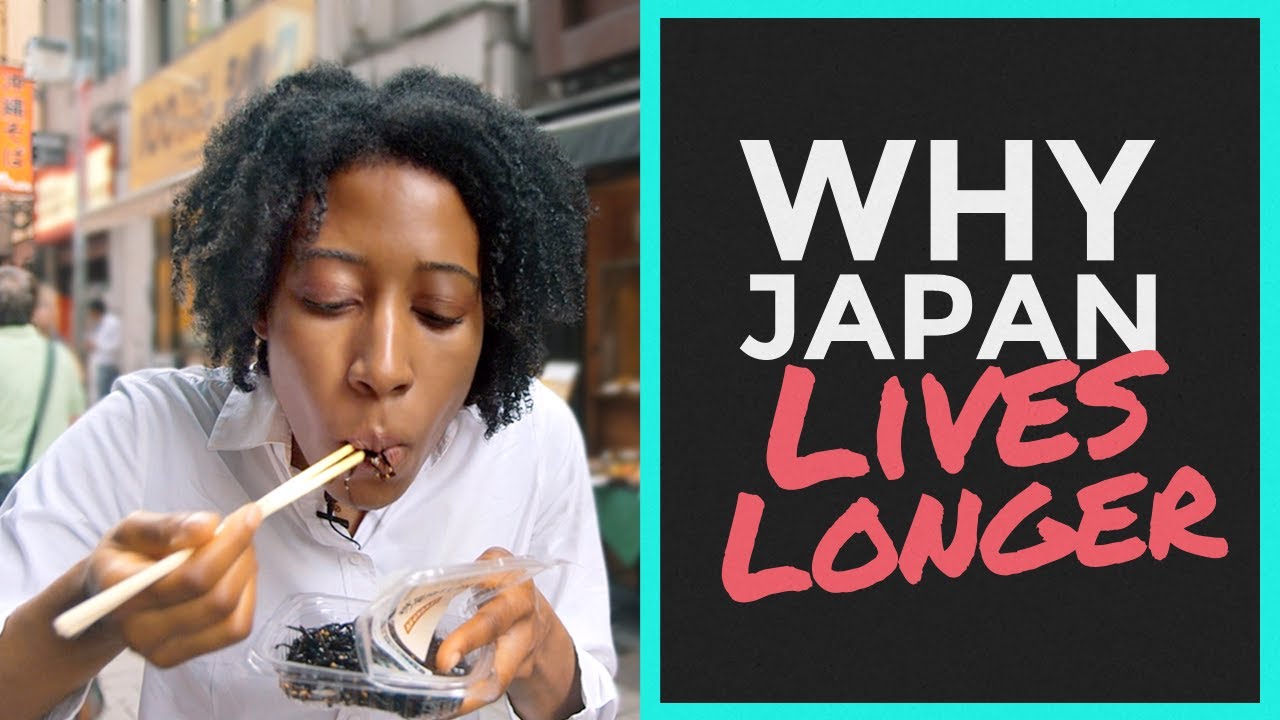
In the Health In HD documentary “Why Japan Lives Longer,” British surgeon Dr. Sarah Itam sets out to explain a statistic that keeps demographers and cardiologists talking: Japanese life expectancy sits above 84 years overall, while Japanese women top 86 to 87 years — the highest figure of any population on the planet, well clear of every other G7 nation. Rather than settle for a single explanation, Dr. Itam works through diet, culture, and daily habit to find what’s actually driving the numbers.
- Japan’s average life expectancy exceeds 84 years, with Japanese women living to 86-87 years on average — the highest of any country and well ahead of other G7 nations.
- The traditional washoku diet leans on fresh fish, seaweed, seasonal vegetables, and fermented soy foods like tofu, miso, and natto, while keeping red meat, saturated fat, dairy, and refined sugar intake low.
- Dr. Itam examines mindfulness, meditation, and structured activity alongside diet as possible contributors, while also noting the growing inroads of Western fast food among younger Japanese generations.
The Washoku Diet Under the Microscope
Dr. Itam spends much of the film breaking down washoku, the traditional Japanese way of eating that predates the fast-food era by centuries. Fish shows up daily rather than red meat, seaweed provides iodine and minerals rarely found in Western diets, and fermented soybean staples — tofu, miso, natto — deliver protein without the saturated fat load of a Western-style plate. The documentary ties this directly to Japan’s comparatively low rates of ischemic heart disease and stroke, framing the diet not as a fad but as a centuries-old default that happens to align with what cardiologists now recommend.
Portion control comes up as its own factor, separate from ingredients. Dr. Itam highlights the Japanese habit of eating until roughly 80 percent full — a practice tied to natural calorie control rather than any counting or restriction. That single behavioral difference, paired with a diet already low in refined sugar and processed fat, helps explain why obesity rates in Japan remain a fraction of what’s seen across the rest of the developed world.
Green Tea and the Antioxidant Question
The film gives real attention to green tea’s role in the Japanese daily routine, examining its antioxidant content and the theory that regular consumption helps guard against certain cancers and cardiovascular strain over a lifetime of habitual drinking. It’s not treated as a miracle cure in the documentary — Dr. Itam is careful to frame it as one piece of a much larger dietary pattern rather than a standalone fix, the same caution she brings to every claim in the film.
Japanese women live to an average of 86 to 87 years — the highest life expectancy of any population on Earth.
Mindfulness, Movement, and Mental Wellbeing
Beyond nutrition, Dr. Itam turns to Japan’s structured approach to activity and mental calm. She assesses whether mindfulness and meditation practices lower cardiovascular strain by reducing chronic stress, and whether everyday movement — built into commuting, work, and routine rather than gym sessions — plays a measurable role in the country’s low rates of chronic illness. The documentary treats this as a genuine open question rather than settled science, weighing the cultural habit against what’s actually been measured in the population’s disease rates.
The Fast-Food Threat to a Centuries-Old Pattern
The most pointed part of the documentary isn’t about what’s working — it’s about what could unravel it. Dr. Itam addresses the encroachment of Western fast food and shifting eating habits among younger Japanese generations, a demographic drifting further from washoku with each decade. It’s presented as the clearest threat to the longevity model the rest of the film spends its runtime explaining, and a reminder that the numbers driving Japan’s global lead aren’t guaranteed to hold for the generation coming up behind it.







Intermittent Fasting: Transformational Technique | Cynthia Thurlow | TEDxGreenville
Oats Pancakes | Healthy & Easy To Make Recipe For Kids | Oats Recipes for Breakfast
Best exercises to Lower blood pressure
Casually Explained: Being Healthy
How To Eliminate Self Doubt Forever & The Power of Your Unconscious Mind