

 InfoSearched
The label says “all-natural.” The formula behind it says something else entirely.
Grocery store shelves are stacked with buzzwords engineered to sell, not to inform. A closer look at how packaged food actually gets made — and marketed — shows just how much room manufacturers have to shape what shoppers believe they’re buying.
- Products with less than 0.5 grams of trans fat per serving can legally carry a “0g Trans Fat” label under FDA rounding rules, even though the ingredient is still present.
- Some red food dyes come from carminic acid, a pigment extracted from crushed cochineal insects, without shoppers ever seeing “insect” on the label.
- FDA Defect Action Levels permit small, defined amounts of insect fragments and mold in everyday pantry staples, a threshold most consumers have never heard of.
The Labeling Loopholes Companies Exploit
Words like “all-natural” and “healthy” carry almost no regulatory teeth. There’s no standardized federal definition locking down what “all-natural” actually means on a package, which leaves manufacturers free to slap it on products that still contain heavily processed ingredients. “Healthy” functions the same way — it’s a marketing term tied to loose labeling requirements rather than a guarantee of real nutritional value.
Serving sizes get the same treatment. Manufacturers can shrink a listed serving size on the nutrition facts panel so the sugar and calorie totals look smaller per portion, even though most people eat well beyond that portion in one sitting. Combined with the trans fat rounding rule — anything under 0.5 grams per serving rounds down to “0g” — a product can look far cleaner on paper than it actually is.
Engineering the Bliss Point
Food scientists don’t stumble into a product people can’t stop eating — they calculate it. The target is what’s known in the industry as the “bliss point,” a precise ratio of added sugar, sodium, and fat tuned to hit maximum pleasure without triggering the body’s natural signal to stop. Manufacturers pair that ratio with engineered “mouthfeel” — the specific texture and crunch of a chip or the melt of a coating — designed to keep people reaching for more before their brain registers being full.
The bliss point isn’t an accident of the recipe — it’s the recipe.
That combination is a core reason processed snack foods are so hard to eat in moderation. The formulation isn’t about flavor for its own sake; it’s about bypassing the satiety cues that would otherwise tell a person to close the bag.
Hidden Ingredients and Chemical Treatments
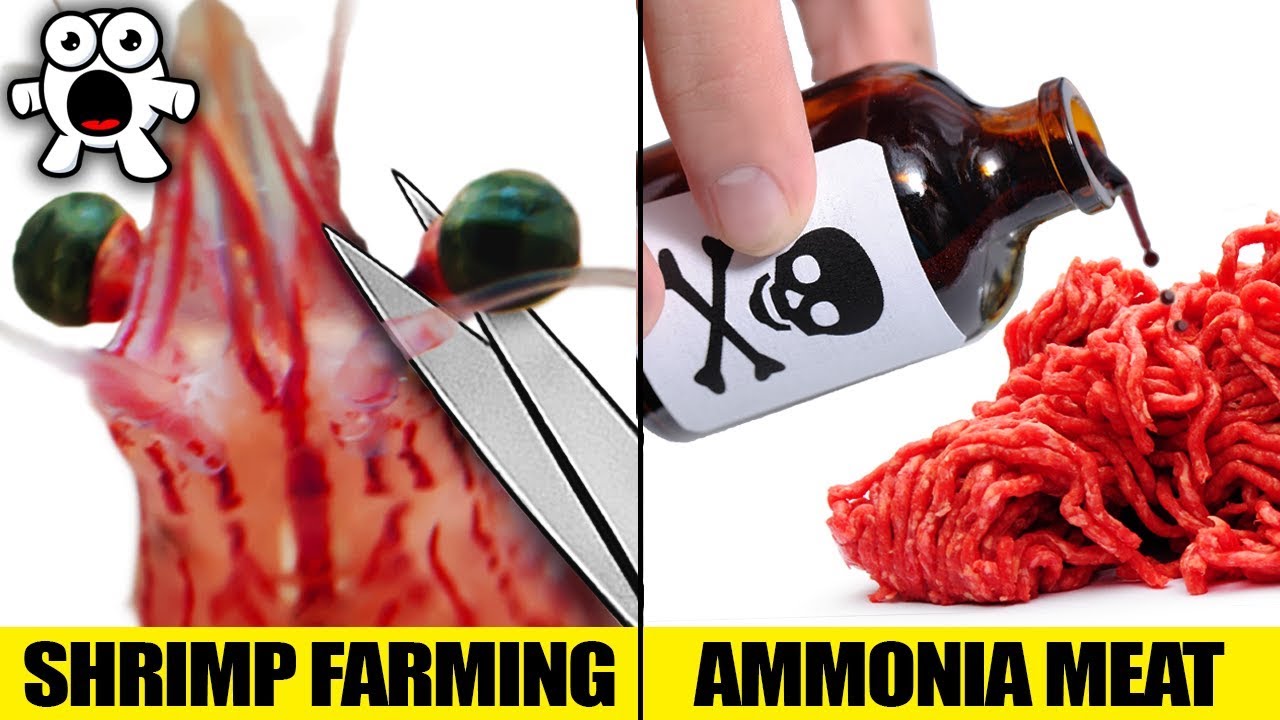
Some of the industry’s most eyebrow-raising practices happen well before a product ever reaches the shelf. Beef trimmings used in some commercial ground beef production are treated with ammonia gas as an antimicrobial step, a process most shoppers have never seen disclosed anywhere on a package. Produce gets heavy post-harvest chemical washes specifically to extend shelf life, letting fruit and vegetables look fresh far longer than they naturally would.
Colorants tell their own story. Carminic acid, the red pigment derived from crushed cochineal insects, shows up in everything from beverages to candy coatings, typically listed only by its chemical name rather than its actual source. Anyone trying to eat cleaner by scanning ingredient lists is often working with less information than they think — a gap worth keeping in mind alongside broader conversations about additive-heavy diets in healthy eating circles.
FDA Regulatory Compliance Standards
Perhaps the most surprising piece of the puzzle is how much contamination federal rules simply tolerate. The FDA’s Defect Action Levels set numeric thresholds for things like insect fragments and mold in staple foods — not as an oversight, but as an official, published allowance. It’s a level of pantry-staple trivia most shoppers never learn, and it exists specifically because eliminating every trace is considered impractical at industrial scale.
None of this makes packaged food unsafe by regulatory standards — it makes clear how wide the gap is between “legal” and “what the label implies.” For anyone rethinking what actually goes into their daily diet, the ingredient panel is only the beginning of the story; the rounding rules, the serving-size math, and the bliss-point formulas behind it are where the real decisions get made.








The Problem With Being a VEGAN in 2020
Robert Downey, Jr. – Don’t Chase That Thing | A Speech All Of Us Should Hear Once!
How to Lose Weight and Get More Energy in 15 Days
Satisfying Video That Helps You to Fall Asleep and Unwind
How To Trick Your Brain Into Falling Asleep