


 InfoSearched
Neuroscientists spent decades insisting the adult brain was fixed for life — one TED talk just dismantled that idea with hard numbers.
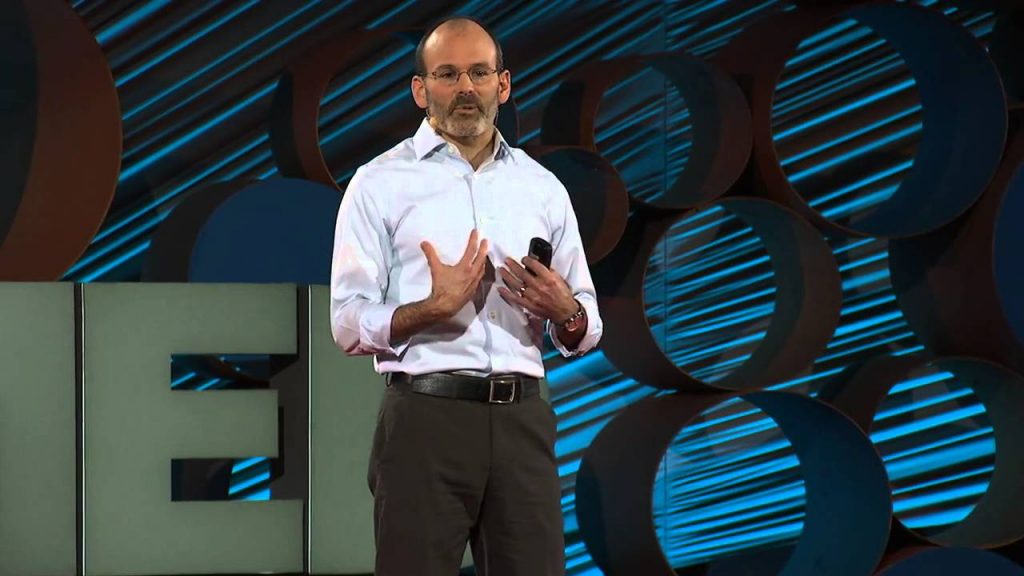
Dr. Sandrine Thuret, who runs the Adult Neurogenesis & Mental Health Laboratory at King’s College London, took the TED@BCG London stage in June 2015 to make a case that upends what most people were taught in biology class. Her talk, published by TED in October 2015 under the title “You can grow new brain cells. Here’s how,” argues that the human brain keeps manufacturing new neurons well into old age — and that ordinary daily choices determine how many.
Thuret’s research centers on the hippocampus, the seahorse-shaped structure that handles memory formation, spatial navigation, and mood regulation. Rather than describing neurogenesis as a fixed trait, she frames it as a dial that diet, exercise, and sleep can turn up or down.
- Humans generate approximately 700 new hippocampal neurons per day, according to Thuret’s research.
- Blocking neurogenesis impairs how well antidepressants work, while stimulating new neuron growth can ease depressive symptoms.
- Spacing out meals or cutting caloric intake by 20% to 30% — a form of intermittent fasting — measurably increases neuron production.
The Dogma Thuret Overturned
For most of the 20th century, the accepted scientific line was that you’re born with all the brain cells you’ll ever have. Thuret’s work is part of the body of neurogenesis research that broke that assumption apart, showing the hippocampus specifically keeps producing new cells throughout adulthood — just at a rate that slows with age. She ties that production directly to a cognitive skill called pattern separation: the brain’s ability to tell apart memories that are similar but not identical, like where you parked today versus yesterday.
Every day, the adult human hippocampus produces roughly 700 new neurons.
The Critical Role of Hippocampus
The hippocampus doesn’t just store memories — it’s the structure most closely linked to learning, emotion regulation, and the ability to navigate space. Thuret’s talk explains why this particular region is worth watching: because its neuron output is measurable and modifiable, it gives researchers and patients alike a concrete lever on brain health rather than a vague wellness concept. That’s also why declines in hippocampal neurogenesis show up clinically as memory lapses and, in more severe cases, depression.
Drivers of New Neuron Growth
Thuret laid out specific, evidence-based habits that raise neurogenesis rates. Aerobic exercise, such as running, tops the list. Learning and mental enrichment — picking up new skills rather than coasting on familiar ones — also stimulates growth. On the dietary side, she pointed to omega-3 fatty acids, resveratrol (found in red grapes and dark chocolate), and blueberries, whose flavonoids support neuron production. Readers looking to build these habits into a routine might find useful ground in different approaches to fasting or a structured HIIT-based exercise routine, both of which touch the same physiological triggers Thuret describes.
Factors Inhibiting Neural Development
The flip side of Thuret’s talk is arguably more useful: a specific list of habits that severely impair or halt neuron growth. Chronic stress and sleep deprivation top that list, alongside aging itself. Diets high in saturated fat, soft foods that require minimal chewing, and excess alcohol consumption also suppress the process. Given the direct line she draws between blocked neurogenesis and reduced antidepressant efficacy, the topic overlaps with broader conversations about mood disorders, including the kind explored in this could be why you’re depressed or anxious.
The Practical Takeaway
Thuret doesn’t leave viewers with an abstract concept — she leaves them with numbers they can act on: 700 neurons a day, a 20% to 30% window for spacing meals, and a short list of foods and habits with actual data behind them. Skip the soft foods, skip the extra drink, get the run in, and the hippocampus does the rest of the work on its own.








My School Crush Rejected Me – So I Got Shredded
Meditation – Affirmations – Revised & Extended – Three Magic Words.
We’re Inside A Larger Organism
Dr. Wayne Dyer’s Life Advice Will Leave You SPEECHLESS
$13 Korean Soup Vs. $88 Korean Soup