

 InfoSearched
A Reno family law attorney built her entire practice around defending fathers—and the data backs her up.
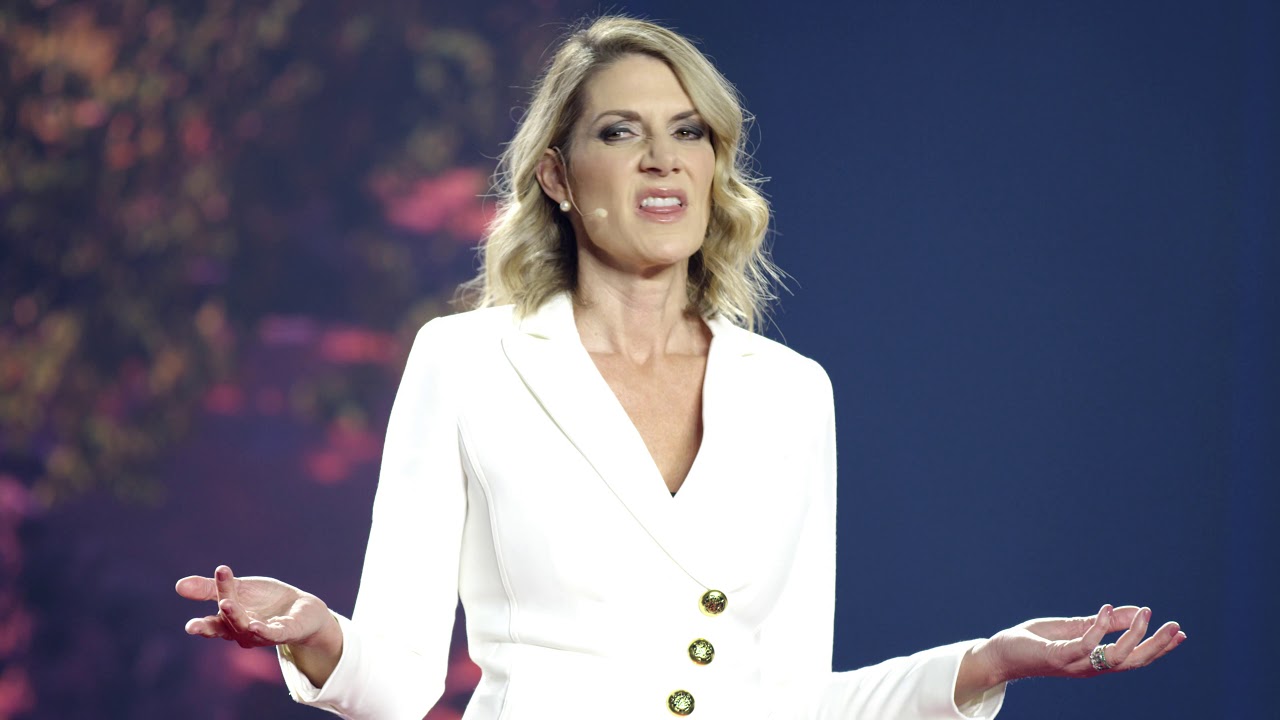
Marilyn D. York didn’t set out to become the go-to divorce lawyer for men. But since 1998, when she was first licensed to practice in California, she has watched family courts systematically undervalue fathers—and she built a firm to fight that bias head-on. In her TEDxUniversityofNevada talk, “What Representing Men in Divorce Taught Me About Fatherhood,” York lays out the legal case and the grim statistics behind America’s fatherlessness crisis.
- York has represented more than 2,000 men since establishing her Reno firm in 2001, including roughly 650 fathers in custody disputes.
- Out of more than 100 paternity tests she has ordered over her career, fathers were wrong about their biological connection to a child only twice.
- More than 17 million American children are growing up without a father, and York cites fatherlessness as a factor in 90% of runaway and homeless youth cases, 71% of high school dropouts, and 63% of youth suicides.
A Firm Built to Represent Men
York is a Certified Family Law Specialist, licensed in California since 1998 and in Nevada since 1999. Since 2001 she has owned and run her Reno practice with a staff of female employees who exclusively represent men in divorce and custody battles—with the business side of the firm overseen by her father. It’s a deliberate structure: women advocating hard for men, in a system York argues still leans toward mothers by default.
Her own life mirrors the complexity she sees in her clients’ families. York is raising four children across three marriages, and she says that blended, imperfect experience is part of what convinced her that paternal instinct isn’t something fathers need to be taught—it’s something the legal system too often refuses to trust.
The Paternity Numbers That Surprised Her
One of the more striking data points in York’s talk involves paternity testing. Fathers frequently walk into her office doubting whether a child is biologically theirs, often after being pressured or manipulated into that doubt. But of more than 100 court-ordered paternity tests across her career, the fathers’ own predictions about their biological connection were wrong only twice.
Out of over 100 paternity tests she has ordered, fathers were incorrect about their biological connection only twice.
For York, that statistic is evidence that paternal instinct runs deeper than courts, and sometimes fathers themselves, tend to credit. It’s a theme she returns to throughout the talk—that the self-doubt many men carry into custody proceedings doesn’t match the biological and emotional reality of their bond with their kids.
The Fatherlessness Numbers
York frames her legal work inside a much larger public-health problem. She points to more than 17 million children in the United States being raised without a father in the home, a number she says keeps climbing. Citing data on the downstream effects, she notes that fatherless homes account for 90% of runaway and homeless youths, 71% of high school dropouts, and 63% of youth suicides. Those figures are the backbone of her argument that keeping fathers legally and physically present isn’t a men’s-rights talking point—it’s a child-welfare issue.
That framing echoes broader conversations about the mental-health toll of family breakdown on young people, a subject Jordan Peterson has explored at length when discussing what he calls a hidden epidemic among young men lacking stable paternal figures.
The Legislative Fixes She Wants
York doesn’t stop at diagnosing the problem—she pushes specific reforms. She advocates for default joint custody in divorce and separation cases, arguing that shared parenting should be the legal starting point rather than something fathers have to fight to earn. She also calls for equalizing paternity rights for children born out of wedlock, so unmarried fathers have the same standing to seek custody and involvement as their married counterparts. For York, protecting a father’s legal footing isn’t about winning a case against a mother; it’s about protecting the child’s access to both parents.
That same instinct—that sacrifice and presence matter more than convenience—runs through other advice aimed at young adults navigating responsibility and commitment, a theme York’s clients confront the moment a custody schedule lands on their kitchen table.
York closes her talk the way she opens her cases: with the numbers. Two thousand men represented, 650 of them fathers, and a paternity-test track record that says the instinct was right nearly every time. Whatever the courtroom outcome, that’s the case she keeps making—one client at a time.





“Something Very Important Happens at 03:30 am”
Healthy Breakfast Recipes Kids Will Love
Early Pregnancy Back Pain
What a sex worker can teach us about human connection | Nicole Emma
Healthy Breakfast Ideas for School! | Jessica Reid