

 InfoSearched
A family doctor with 10 million subscribers takes the probiotic aisle apart, bottle by bottle.
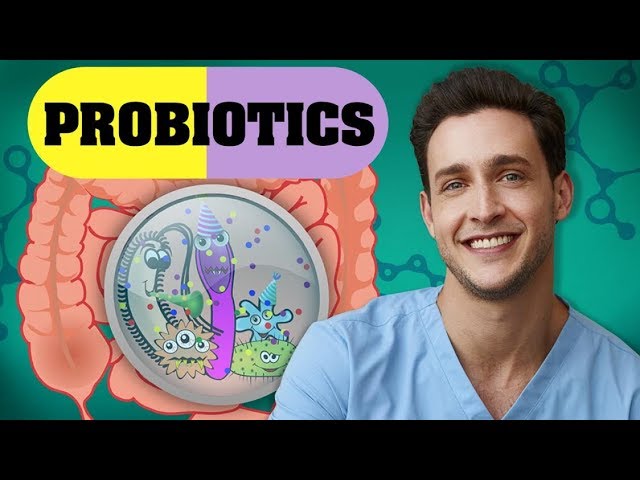
Dr. Mikhail Varshavski — the board-certified family medicine physician known to his massive YouTube following as Doctor Mike — used his video “Probiotics Benefits + Myths | Improve Gut Health” to walk through what the booming, multi-billion-dollar probiotic supplement industry actually gets right, and where it’s selling hope more than science. He defines probiotics plainly: live microorganisms, mostly specific bacteria and a few yeasts, that produce a measurable health benefit when you actually consume enough of them. That last part, he argues, is where most of the marketing quietly falls apart.
- Doctor Mike identifies antibiotic-associated diarrhea, irritable bowel syndrome, and inflammatory bowel disease as the clinical scenarios with the strongest evidence for probiotic use.
- He warns that dietary supplements aren’t held to the same regulatory testing standards as pharmaceuticals, meaning label claims often outrun the actual research behind a given strain.
- He points to naturally fermented foods — yogurt, kefir, kimchi, and sauerkraut — paired with adequate fiber intake as the more reliable route to a diverse gut microbiome than most capsules on the shelf.
Functions of Human Gut Bacteria
Before getting into supplements, Doctor Mike lays out why the gut microbiome matters at all. The bacteria living in the digestive tract help break down food, support nutrient absorption, regulate immune function, and maintain the integrity of the intestinal barrier that keeps harmful pathogens from getting where they don’t belong. That’s the legitimate biological case for probiotics — not as a cure-all, but as a tool for restoring balance when that ecosystem gets disrupted.
Validation of Scientific Evidence
The clearest, most clinically supported use case Doctor Mike highlights is rebalancing gut flora after antibiotic treatment, which can wipe out beneficial bacteria along with the infection it was targeting and lead to antibiotic-associated diarrhea. He also points to functional bowel conditions — irritable bowel syndrome and inflammatory bowel disease — as areas where certain probiotic strains have shown real symptom relief in clinical settings. These are the scenarios, he notes, where a doctor might actually recommend a specific probiotic rather than a patient just guessing off a supplement-aisle label.
Taking an unverified supplement off the shelf isn’t a shortcut to wellness.
The Myths He Debunks
This is where Doctor Mike gets pointed. Supplements, unlike prescription drugs, don’t go through the same rigorous regulatory testing before hitting shelves, which means a bottle promising to “fix your gut” may contain strains that were never studied for that purpose at all. He also flags that many probiotic strains simply aren’t matched to the condition they’re being marketed for, and that live cultures frequently don’t survive the trip through stomach acid to reach the intestines where they’d actually need to colonize. In short: buying a probiotic isn’t the same as your body receiving a working dose of it.
Building a Better Microbiome Without the Capsule
Rather than leaning on commercial probiotic products, Doctor Mike pushes viewers toward the basics — naturally fermented foods like yogurt, kefir, kimchi, and sauerkraut, combined with steady fiber intake and overall dietary balance. Readers looking for a practical rundown of which foods carry the strongest probiotic content can check out InfoSearched’s own breakdown of the top 13 probiotic foods, and pairing that approach with other everyday nutritional staples covered in 8 foods men should eat everyday lines up closely with the food-first strategy Doctor Mike recommends over relying on a pill bottle.
Doctor Mike’s bottom line isn’t that probiotics are a scam — it’s that they’re a targeted tool, not a wellness shortcut. If you just finished a round of antibiotics or you’re managing IBS, a specific, evidence-backed strain might genuinely help. If you’re just chasing a trend, a tub of yogurt and a diet with enough fiber in it will probably do more for your gut than whatever capsule is trending on your feed this month.





5 Beauty Tips You NEED to Know
We’re Inside A Larger Organism
The SECRET to Super Human STRENGTH
HIGH PROTEIN VEGAN MEAL PREP
$13 Korean Soup Vs. $88 Korean Soup