

 InfoSearched
Josh Hash wants you to move like a human being again, not like a desk chair.
Strength Side’s video “5 Primal Movements you NEED to do” makes the case that decades of chairs, car seats, and gym machines have stripped modern adults of movement patterns every human body is built to perform. Hosted by movement coach Josh Hash alongside collaborator Grant Thomas, the channel pushes a “rewilding” approach — training the body the way it evolved to move rather than chasing the mirror. The five patterns they lay out aren’t isolation exercises; they’re developmental movements humans relied on for survival long before barbells existed.
- The video is built around five specific patterns: deep resting squats, quadrupedal ground movement (bear crawls and similar animal-style crawling), overhead hanging and brachiation, single-leg locomotion and split-stance transitions, and rotation with spinal stabilization.
- Strength Side frames these as corrective against three specific problems: stiff joints, weak lower backs, and movement dysfunction caused by chronic sitting.
- Josh Hash and Grant Thomas present the drills as foundational patterns for joint mobility, longevity, and natural agility — explicitly not for aesthetics.
The Deep Squat as a Resting Position
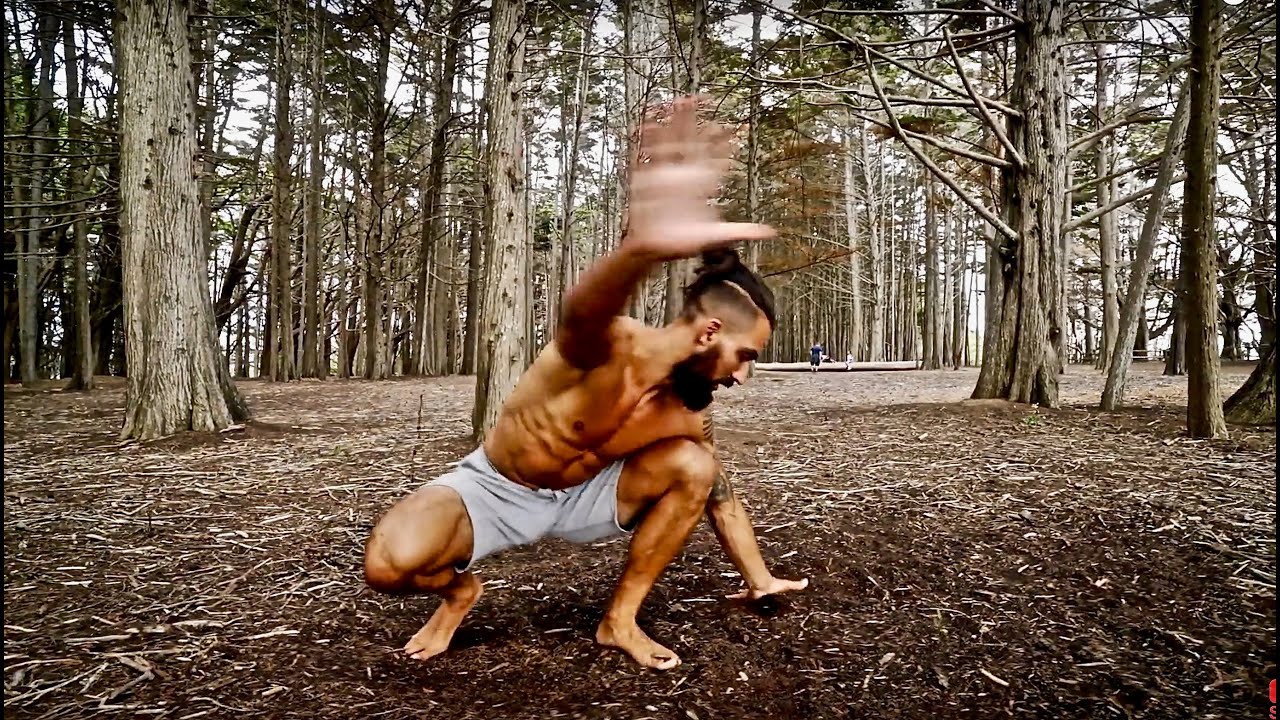
The first pattern isn’t the loaded back squat you’d do under a barbell — it’s the deep resting squat, hips below the knees, heels down, spine relatively neutral, held as a position rather than a rep. Hash points to this as a baseline human posture that most adults have lost the ankle and hip mobility to even get into comfortably, let alone rest in. Readers who want to see how squat mechanics translate into raw output can check out the coverage of an athlete who squatted 500 reps in 20 minutes, though Strength Side’s version is about restoring range, not chasing volume.
Getting Back on All Fours
The second pattern is quadrupedal ground movement — bear crawls and other crawling patterns that put weight through the hands, shoulders, hips, and knees simultaneously. According to the video, this pattern rebuilds shoulder stability and hip control that gets quietly lost when every daily task happens upright and seated. It’s the kind of ground-based work that overlaps with the progressions covered in the six-month calisthenics transformation already on this site, where bodyweight control does the job barbells usually get credit for.
Hanging, Twisting, and Single-Leg Transitions
The remaining three patterns work together as a set. Overhead hanging and brachiation — swinging or moving hand-over-hand — decompresses the spine and builds grip resilience that grip-focused training alone doesn’t touch. Single-leg locomotion and split-stance transitions cover foundational lunges and ground-to-standing transfers, the mechanics behind getting up off the floor without using your hands. Rotation and spinal stabilization round it out, training the torso to control twisting force rather than just produce it.
These aren’t corrective exercises bolted onto a normal program — Strength Side treats them as the foundational patterns a human body is supposed to run on.
The spinal component of the video lines up with concerns raised elsewhere about how modern posture wrecks the back over time, a theme also explored in the spine surgeon’s reaction to chiropractic Y-strap manipulations — different method, same underlying complaint about what sitting does to the spine.
Strength Side doesn’t prescribe sets and reps for these five patterns the way a typical program would — the point is to work them into daily movement until deep squatting, hanging, and crawling stop feeling foreign. Hash’s argument is simple: if a pattern feels awkward at 30 or 40, that’s not aging, that’s disuse, and the fix is doing the movement, not avoiding it.



$13 Korean Soup Vs. $88 Korean Soup
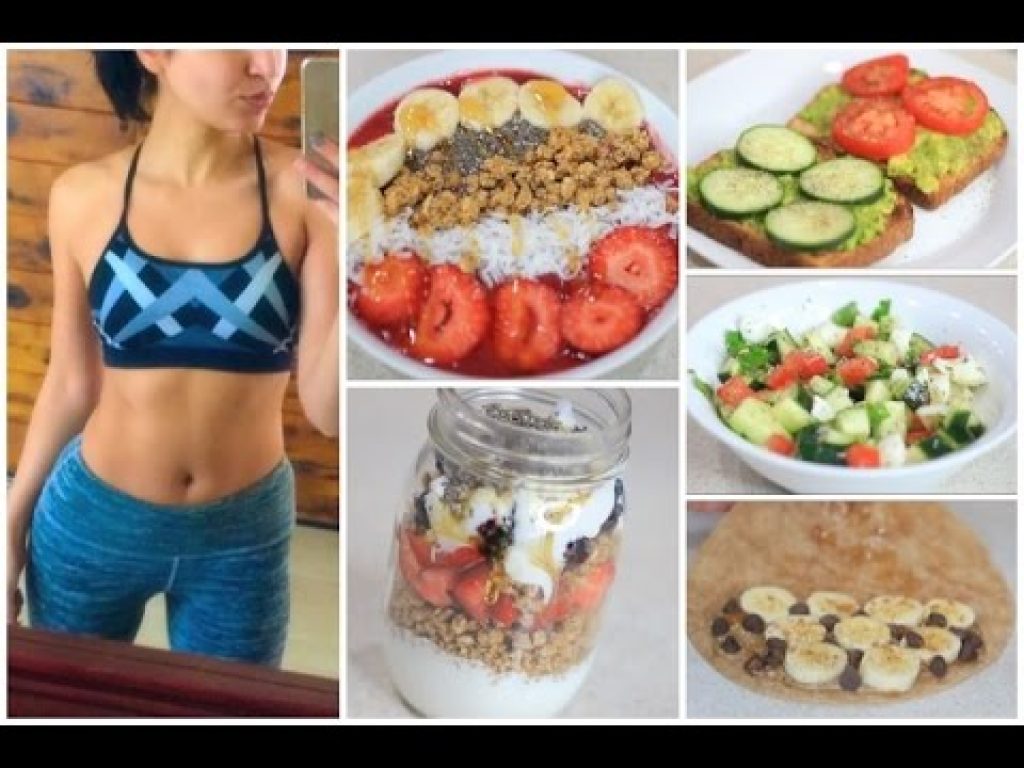
10 Healthy Lunch Ideas For Weight Loss
The Best Low-Calorie Snacks
Gordon Is Blown Away By Small Indian Restaurants Performance & Food | Ramsay’s Best Restaurant
The Benefits of Ashwagandha